
 diabetic retinopathy

- Diabetic retinopathy is an eye disease in which retinal blood vessels are damaged by high blood sugar.is the third leading cause of blindness in Japan.
- C-type mutation in DNA region rs4838605A University of Miami study finds that people with diabetes tend to have a higher risk of diabetic retinopathy.
- The prevalence of type TT among Japanese people is90.6%This is approximately 6.7 times higher than the world average of 13.5%.
Overview Diabetic retinopathy is the third leading cause of blindness in Japan, and thousands of people go blind each year from this disease. This disease is a condition related to diabetes that affects the light-sensing tissue of the eye called the retina. Diabetic retinopathy is caused by high blood sugar levels that damage blood vessels in the retina. In the early stages, there are few symptoms or only minor vision problems, but as the disease progresses it can lead to vision loss and blindness. The early stages of the disease, called non-proliferative diabetic retinopathy (NPDR), can cause the small blood vessels in the retina to weaken, swell, and leak. This causes the retina to swell and deposits called microaneurysms to form. As proliferative diabetic retinopathy (PDR) progresses, new, fragile blood vessels begin to grow on the surface of the retina and within the vitreous gel. These blood vessels are prone to leaking and bleeding, which can lead to sudden changes in vision, spots in your vision, and ultimately scarring and retinal detachment. In addition, fluid may build up in the area responsible for vision called the macula, causing a condition called diabetic macular edema. The risk of this disease increases the longer you have diabetes, and is worsened by high blood sugar, high blood pressure, and high cholesterol levels. To prevent vision loss from diabetic retinopathy, early detection and treatment of diabetes, as well as regular eye exams are important. A study by Hampton et al. at the University of Miami revealed that the risk of developing diabetic retinopathy is associated with a DNA region called rs4838605. There are three genotypes in this DNA region: CC, CT, and TT, and it was found that people with the T genotype tend to have a higher risk of diabetic retinopathy.
What is diabetic retinopathy?
Diabetic retinopathy is an eye disease in which high blood sugar caused by diabetes damages the retinal blood vessels in the eye, causing visual impairment and blindness.It is the third leading cause of blindness in Japan, and thousands of people lose their eyesight each year due to this disease.
Why does diabetic retinopathy develop?
Diabetic retinopathy occurs when blood vessels in the retina are damaged due to persistently high blood sugar levels. The problem is that there are almost no noticeable symptoms in the early stages, and cases are discovered only after the disease has progressed.
Differences in the progression stages of diabetic retinopathy
Diabetic retinopathy is broadly classified into two stages. The characteristics of each are summarized below.
| Comparison items | Nonproliferative diabetic retinopathy (NPDR) | Proliferative diabetic retinopathy (PDR) |
|---|---|---|
| Progress | early stage | advanced stage |
| blood vessel changes | Dilation/leakage of existing blood vessels and formation of microaneurysms | Proliferation of fragile new blood vessels |
| Main symptoms | Mild vision loss/retinal swelling | Sudden vision changes, spots in the field of vision, vitreous hemorrhage |
| Complication risk | diabetic macular edema | Scar formation, retinal detachment, blindness |
Factors that increase the risk of diabetic retinopathy
- Duration of diabetes:The longer the illness lasts, the higher the risk.
- Poor blood sugar control:Persistent high HbA1c levels increase risk
- High blood pressure:Increased blood pressure accelerates damage to retinal blood vessels
- High cholesterol:Dyslipidemia promotes vascular damage
How to prevent diabetic retinopathy
The following three measures are important to prevent vision loss.
- Early detection:If you are diagnosed with diabetes, have regular eye exams (recommended at least once a year)
- Blood sugar management:Perform strict blood sugar control with the goal of HbA1c below 7.0%
- Complications management:Continue appropriate treatment for high blood pressure and high cholesterol
Relationship between genes and diabetic retinopathy
Relationship between DNA region rs4838605 and diabetic retinopathy
A study by Hampton et al. at the University of Miami (2015, Clin Ophthalmol) revealed that the risk of developing diabetic retinopathy is associated with the DNA region rs4838605.
- There are three genotypes of rs4838605: CC, CT, and TT.
- Genotype with type C mutation(CC type/CT type) people tend to have a higher risk of diabetic retinopathy
- This gene region is related to the ARHGAP22 gene
Comparison of genotype distribution in Japanese and the world (rs4838605)
| Genotype | Percentage of Japanese people | percentage of the world |
|---|---|---|
| CC type | 0.2% | 39.8% |
| CT type | 9.1% | 46.5% |
| TT type | 90.6% | 13.5% |
The prevalence of type C mutation (CC+CT) in Japanese people is9.3%This is an extremely low percentage compared to the global average of 86.3%. On the other hand, the percentage of Japanese people with type TT is90.6%This is approximately 6.7 times higher than the world average of 13.5%, reflecting the genetic characteristics of the Japanese population.
Rationale for testing
Surface DNA region: diabetic retinopathy
The gene region that most strongly affects diabetic retinopathy is rs4838605. The distribution of isomorphic genotypes in Japan is as follows.
- CC
0.2 % - CT
9.1 % - TT
90.6 %
Basis for inspection
A study by Hampton et al. at the University of Miami revealed that the risk of developing diabetic retinopathy is linked to genes. There is a region called rs4838605 in the human genome, and the gene in that region has two types of mutations, C and T. It was found that people with type C mutations tend to have a higher risk of diabetic retinopathy.
The DNA region investigated this time
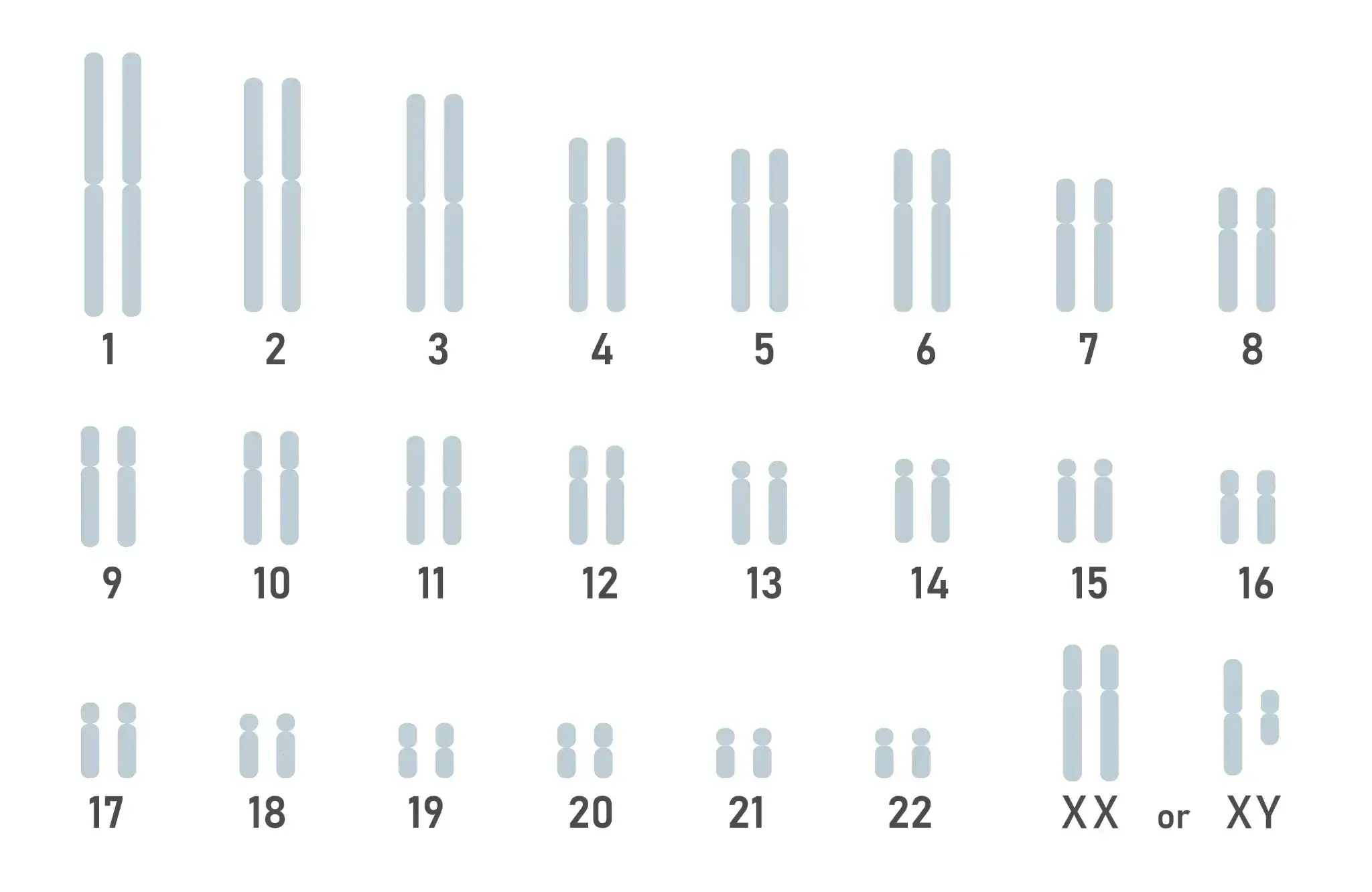
Schematic diagram of DNA map present in cells
- ■
- ■
- ■
- ■
- ■
- ■
- ■
- ■
- ■
Related genes
| Related genes | ARHGAP22 |
|---|
Frequently asked questions (FAQ)
Q1. What is diabetic retinopathy?
Diabetic retinopathy is a disease in which high blood sugar caused by diabetes damages the retinal blood vessels in the eye, causing visual impairment and blindness.It is the third leading cause of blindness in Japan, and thousands of people lose their eyesight each year due to this disease. In the early stage (NPDR), there are almost no symptoms, and in the advanced stage (PDR), rapid vision loss occurs due to bleeding of new blood vessels.
Q2. Is diabetic retinopathy related to genes?
Yes.A study by Hampton et al. at the University of Miami (2015, Clin Ophthalmol) revealed that the DNA region rs4838605 is associated with the risk of developing diabetic retinopathy.There are three genotypes of rs4838605: CC, CT, and TT, and people with the C mutation (C allele) tend to be at higher risk.
Q3. What is the distribution of diabetic retinopathy genotype (rs4838605) in Japanese people?
The genotype distribution of rs4838605 in Japanese people isCC type 0.2%, CT type 9.1%, TT type 90.6%It is. Worldwide, 39.8% are CC type, 46.5% are CT type, and 13.5% are TT type, and Japanese people have a characteristic that the proportion of TT type is about 6.7 times higher than the world average.
Q4. What are the stages of progression of diabetic retinopathy?
Diabetic retinopathy is mainly caused byNonproliferative diabetic retinopathy (NPDR)andProliferative diabetic retinopathy (PDR)It is classified into two stages. NPDR shows swelling, leakage, and microaneurysm formation of retinal blood vessels. As PDR progresses, fragile new blood vessels grow, increasing the risk of bleeding, scarring, and retinal detachment. Diabetic macular edema, which is fluid accumulation in the macula, may also occur.
References
- Reference link 1: 2015 Nov., Blake M Hampton, Clin Ophthalmol