
 diabetes

- Diabetes is a metabolic disease in which blood sugar levels chronically rise due to insufficient secretion and decreased insulin action.Diagnosed with fasting blood glucose level of 126 mg/dL or higher or HbA1c of 6.5% or higher.
- C-type mutation in DNA region rs1260326A University of Exeter study found that people with
- If not treated properlyHeart disease, nerve damage, kidney failure, visual impairmentcan cause serious complications such as
Overview In diagnosing diabetes, it is important to measure fasting blood sugar levels and HbA1c (glycohemoglobin). A fasting blood sugar test shows your blood sugar level after you have not eaten for 8 hours or more. Diabetes is suspected if this measurement shows a value of 126 mg/dL (7.0 mmol/L) or higher twice in a row. HbA1c measurement shows your average blood sugar level over the past 2-3 months and monitors your condition over the longer term. This result shows the percentage of sugar bound to hemoglobin in the blood, and if the value is 6.5% or higher twice in a row, diabetes is diagnosed. These measurements are very important for diabetes diagnosis. If diabetes is not properly treated, it can lead to many complications, including heart disease, nerve damage, kidney failure, and vision problems. Research by Ji Chen and colleagues at the University of Exeter revealed that the risk of developing diabetes is associated with a DNA region called rs1260326. There are three genotypes in this DNA region: TT, TC, and CC, and it was found that people with the C genotype tend to have a higher risk of diabetes.
What is diabetes?
Diabetes is a metabolic disease in which blood glucose levels chronically rise due to insufficient insulin secretion or decreased insulin action.According to the World Health Organization (WHO), the number of people with diabetes worldwide has reached approximately 422 million.
What are the diagnostic criteria for diabetes?
The following two indicators are mainly used to diagnose diabetes.
- Fasting blood sugar level:Measure your blood sugar level twice in a row after not eating for more than 8 hours.126 mg/dL (7.0 mmol/L) or moreDiabetes is suspected if
- HbA1c (glycosylated hemoglobin):Reflects the average blood sugar level for the past 2-3 months, 2 consecutive times6.5% or moreDiabetes is diagnosed if
Causes and mechanisms of diabetes
Diabetes develops due to the combination of the following factors:
- Insufficient insulin secretion:Decreased insulin production from pancreatic beta cells
- Insulin resistance:Cells become less responsive to the effects of insulin
- Genetic predisposition:Multiple gene regions are involved in the risk of developing the disease, including the DNA region rs1260326.
- Lifestyle:Obesity, lack of exercise, inappropriate eating habits
Main complications of diabetes
If diabetes is not treated properly, it can lead to the following complications:
| complications | Affected organs | Main symptoms |
|---|---|---|
| heart disease | heart/blood vessels | Myocardial infarction/arteriosclerosis |
| diabetic neuropathy | peripheral nerve | Numbness/pain in limbs |
| diabetic nephropathy | kidney | Renal function decline/renal failure |
| diabetic retinopathy | eyes | Risk of vision loss/blindness |
Comparison of diagnostic criteria for diabetes
| Inspection items | normal value | diabetic type | Measurement conditions |
|---|---|---|---|
| fasting blood sugar level | Less than 110 mg/dL | 126 mg/dL or more | After fasting for more than 8 hours |
| HbA1c | Less than 5.6% | 6.5% or more | Average for the past 2-3 months |
Lifestyle habits to prevent diabetes
The following lifestyle changes are effective in preventing and slowing the progression of diabetes.
- Maintaining a healthy weight:Aim for a BMI range of 18.5 to 24.9
- Regular exercise:150 minutes or more of moderate aerobic exercise per week
- Meal management:Increase intake of dietary fiber, limit refined carbohydrates
- Regular inspection:Blood sugar level/HbA1c test at least once a year
Relationship between genes and diabetes
Relationship between DNA region rs1260326 and onset risk
Research by Ji Chen and colleagues at the University of Exeter (1) revealed that the DNA region rs1260326 is associated with the risk of developing diabetes.
- There are three genotypes of rs1260326: TT, TC, and CC.
- Genotype with type C mutationpeople tend to be at higher risk of diabetes
Genotype distribution in Japanese (rs1260326)
| Genotype | Percentage of Japanese people | percentage of the world |
|---|---|---|
| TT type | 33.8% | 16.7% |
| TC type | 48.6% | 48.3% |
| CC type | 17.4% | 34.8% |
DNA region rs174570 and diabetes risk
Another important gene region involved in diabetes is rs174570.
Genotype distribution in Japanese (rs174570)
| Genotype | Percentage of Japanese people | percentage of the world |
|---|---|---|
| CC type | 44.6% | 75.0% |
| CT type | 44.3% | 23.1% |
| TT type | 11.0% | 1.7% |
Rationale for testing
Surface DNA region: Diabetes
The gene region that most strongly influences diabetes is rs1260326. The distribution of isomorphic genotypes in Japan is as follows.
- TT
33.8 % - TC
48.6 % - CC
17.4 %
Another gene region involved in diabetes is rs174570. The distribution of isomorphic genotypes in Japan is as follows
- CC
44.6 % - CT
44.3 % - TT
11.0 %
Basis for inspection
Ji at Exeter University Research by Chen et al. revealed that the risk of developing diabetes is related to genes. There is a region called rs1260326 in the human genome, and there are two types of mutations, T and C, in the gene in this region. It was found that people with the T-type mutation tend to have a higher risk of diabetes.
The DNA region investigated this time
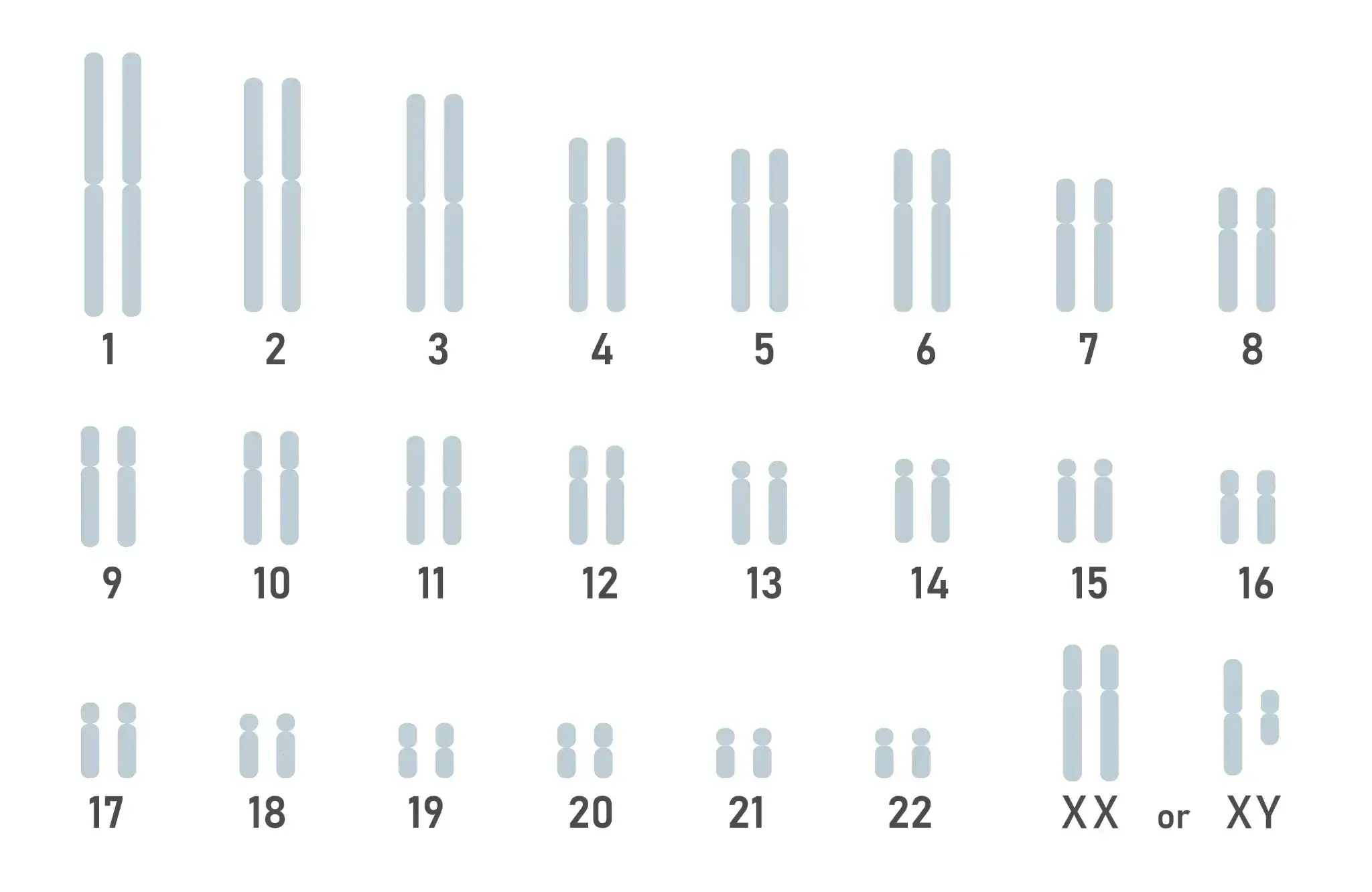
Schematic diagram of DNA map present in cells
- ■
- ■
- ■
- ■
- ■
- ■
- ■
- ■
- ■
Related genes
| Related genes | GCKR |
|---|---|
| Related genes | FADS2 |
Frequently asked questions (FAQ)
Q1. What is diabetes?
Diabetes is a metabolic disease in which blood glucose levels chronically rise due to insufficient insulin secretion or decreased insulin action.Fasting blood sugar level 126 mg/dL or higher or HbA1c Diagnosis is made when 6.5% or more is confirmed twice in a row (1).
Q2. What are the diagnostic criteria for diabetes?
Mainly for diagnosis of diabetesFasting blood sugar level and HbA1c (glycosylated hemoglobin)is used. Fasting blood sugar level is 126 mg/dL (7.0 mmol/L) or more, or HbA1c is 6.5% or more, diabetes is diagnosed with two consecutive confirmations.
Q3. What is the relationship between diabetes and genes?
Ji at Exeter University According to the study of Chen et al.DNA region rs1260326 is associated with diabetes riskIt turns out that it does. People with the C genotype tend to be at increased risk (1).
Q4. What are the main complications of diabetes?
If diabetes is not properly treated,Heart disease, diabetic neuropathy, diabetic nephropathy (kidney failure), diabetic retinopathy (vision impairment)This can lead to serious complications such as.
Q5. Is there any way to prevent diabetes?
To prevent diabetes,Maintain a healthy weight, exercise at least 150 minutes a week, eat a balanced diet, and regularly check your blood sugar levels.is valid. If you have a high genetic risk, early lifestyle changes are recommended.
References
- Reference link 1: 2021 Jun., Ji Chen, Nat Genet
- Reference link 2: 2014 Jul., Peng Chen, Diabetes