
 Developmental reading and writing disorders

- Developmental reading and writing disorder (dyslexia) is a learning disorder in which people have difficulty reading and writing despite no intellectual abilities.Genetic factors and environmental factors each contribute about 50%
- DNA region rs2101523 near BTG3-AS1 geneis related to reading ability, and TT types tend to have difficulty reading.
- Japanese91.5% are CC type, with a higher proportion of genotypes that do not easily affect reading ability compared to the world average of 48.2%.
Overview Language ability is an important skill for understanding what others are saying, reading sentences, and communicating. Language ability can be divided into four categories: listening, speaking, reading, and writing. Among these, the ability to read, or reading ability, has been pointed out to have a particular impact on academic performance, and is an important skill not only in humanities subjects but also in other subjects. It will also be useful in the future when you can read the content fluently in situations such as presentations and meetings, or when studying for qualifications. Language ability is thought to be determined by genetics and environment, and according to research by the Osaka University Graduate School of Medicine Twin Research Center, genetic factors are responsible for approximately 50% and environmental factors approximately 50%. (Reference link 1) In recent years, multiple genes related to language ability have been discovered. This time, we will explain a region near the gene BTG3AS1, which has been associated with reading ability. Rationale A joint study by Germany's Max Planck Institute for Psychiatry on the BTG3AS1 gene revealed that certain DNA regions tend to be found in many people who have difficulty reading words. (Reference link 2) This DNA region is called "rs2101523" and has three genotypes. It is known that people with the TT type genotype tend to have difficulty reading, and people with the CT type tend to have some difficulty in reading. However, 95.8% of the Japanese genotype is CC type, which has a gene that is said to be less likely to affect reading ability. (Reference link 3) However, it is known that reading ability is not limited to genetic type, but is also greatly influenced by education and environment. In order to improve your reading skills, you need to make some efforts on your own. Examples include marking sentence breaks to make them easier to see visually, and reading out loud. It is also effective to practice reading aloud using electronic textbooks. Regardless of your genetic type, you can improve your reading skills with some effort and effort. Determining your genotype through genetic testing may help you develop your talent and take early steps. Mechanism of action The BTG3AS1 gene is located on chromosome 21 of chromosome 24 in humans. BTG3AS1 is expressed in all organs such as the testis and large intestine, and is known to be particularly expressed in the prenatal brain. (Reference link 4) Although the function and reading mechanism of BTG3AS1 have not yet been elucidated, it is known that BTG3AS1 is an antiproliferative gene that interferes with the cell cycle. Additionally, since it is highly expressed in the prenatal brain, the genetic type of rs2101523, which is present near BTG3AS1, may affect the degree of brain development (particularly in the frontal and temporal lobes, where language centers are located). For this reason, ``rs2101523'' is attracting attention as one of the DNA regions deeply related to reading ability.
What is developmental reading and writing disorder (dyslexia)?
Developmental reading and writing disorder (dyslexia) is a type of learning disability that causes difficulty in reading and writing, even though there are no problems with intellectual ability, vision, or hearing.Language ability can be divided into four categories: listening, speaking, reading, and writing, and among these, reading ability (literacy) has a direct impact on academic performance.
The importance of language and reading skills
Reading ability is an essential skill for learning not only humanities subjects but all subjects. This ability will be essential in the future when reading aloud at presentations and conferences, studying for qualification exams, etc.
- Subject learning:Reading ability is a basic skill that affects grades in all subjects.
- Social life:Necessary in a wide range of situations such as presentations, meetings, and qualification exams.
- Communication:Directly linked to understanding what the other person is saying and reading text
Genetic and environmental influence ratio
According to research by the Osaka University Graduate School of Medicine Twin Research Center, the determinants of language ability are:
| factor | Impact ratio | Specific example |
|---|---|---|
| genetic factors | Approximately 50% | Genetic mutations such as BTG3-AS1 gene |
| environmental factors | Approximately 50% | Educational environment/reading habits/training |
The relationship between genes and developmental reading and writing disorders
Relationship between DNA region rs2101523 and reading ability
Collaborative research with the Max Planck Institute for Psychiatry in Germany (Gialluisi, Alessandro, 2019, Translational Psychiatry) revealed that the DNA region rs2101523 near the BTG3-AS1 gene is associated with reading ability.
- There are three genotypes of rs2101523: CC, CT, and TT.
- TT typepeople tend to have difficulty reading
- CT typePeople tend to have some difficulty in reading.
- CC typeReading ability is less likely to be affected in people with
Comparison of genotype distribution in Japanese and the world (rs2101523)
| Genotype | Percentage of Japanese people | percentage of the world |
|---|---|---|
| CC type | 91.5% | 48.2% |
| CT type | 8.2% | 42.4% |
| TT type | 0.1% | 9.3% |
The prevalence of type CC among Japanese people is91.5%This is approximately 1.9 times higher than the global average of 48.2%. On the other hand, the percentage of Japanese people with type TT, who tend to have difficulty reading, is0.1%This is significantly lower than the world average of 9.3% and reflects the genetic characteristics of the Japanese population.
How to improve reading skills
Regardless of genetic type, reading ability can be improved through education and environment.The following specific methods are valid.
- Visual trick:Mark sentence breaks to make them easier to read
- Reading practice:Strengthen your reading skills by reading aloud
- Utilization of electronic textbooks:Repetitive training using reading function
By understanding your own genetic type through genetic testing, you can use it to discover your talent early and take appropriate measures.
Rationale for testing
External DNA region: Developmental reading and writing disorders
The gene region most strongly associated with developmental reading and writing disorders is rs2101523. The distribution of isomorphic genotypes in Japan is as follows.
- CC
91.5 % - CT
8.2 % - TT
0.1 %
Basis for inspection
A joint study by the Max Planck Institute for Psychiatry in Germany revealed that the DNA region rs2101523 near the BTG3-AS1 gene is associated with reading ability. There are three genotypes of rs2101523: CC, CT, and TT, and TT types tend to have difficulty reading, while CT types tend to have some difficulty in reading. 91.5% of Japanese people have the CC type, which means they have a gene that does not easily affect reading ability.
Mechanism of action of BTG3-AS1 gene
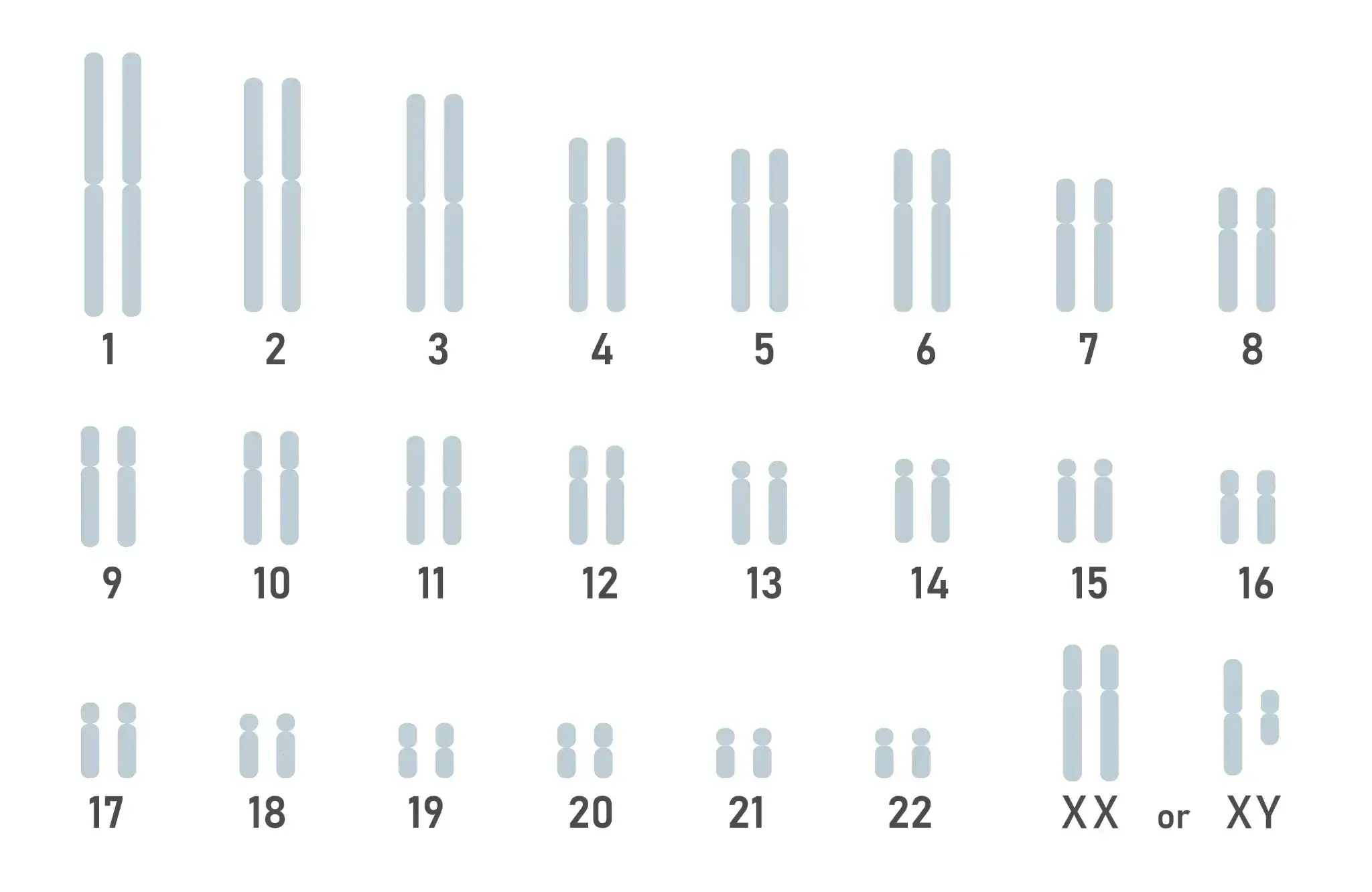
The BTG3-AS1 gene is located on chromosome 21 and is expressed in all organs such as the testis and large intestine. especiallyHighly expressed in prenatal brainIt is known to act as an antiproliferative gene that interferes with the cell cycle. The rs2101523 genotype may affect the degree of brain development, especially in the frontal and temporal lobes, where language centers are located.
The DNA region investigated this time
Schematic diagram of DNA map present in cells
- ■
- ■
- ■
- ■
- ■
- ■
- ■
- ■
- ■
Related genes
| Related genes | BTG3-AS1 |
|---|
Frequently asked questions (FAQ)
Q1. What is developmental reading and writing disorder (dyslexia)?
Developmental reading and writing disorder (dyslexia) is a type of learning disability in which a person has difficulty reading and writing, even though there is no problem with intellectual ability.Language ability is about 50% genetic and 50% environmental, and reading ability is an important skill that affects learning in all subjects.
Q2. What genes are associated with developmental reading and writing disorders?
Collaborative research with the Max Planck Institute for Psychiatry in Germany (Gialluisi, Alessandro, 2019, Translational Psychiatry) found that the DNA region rs2101523 near the BTG3-AS1 gene is associated with reading ability.People with the TT type tend to have trouble reading, and people with the CT type tend to have some difficulty reading. CC type is said to be less likely to affect reading ability.
Q3. What is the distribution of genotypes related to developmental reading and writing disorders in Japanese people?
The genotype distribution of rs2101523 in Japanese people isCC type 91.5%, CT type 8.2%, TT type 0.1%It is. Worldwide, 48.2% of people have the CC type, 42.4% have the CT type, and 9.3% have the TT type, and the proportion of Japanese people with the CC type is about 1.9 times higher than the world average.
Q4. Is there any way to improve reading ability?
Regardless of genetic type, reading ability can be improved through education and environment.Specifically, visual techniques to mark the breaks between sentences, reading practice by reading out loud, and reading training using electronic textbooks are effective. By understanding the genetic type through genetic testing, it can be used for early detection of talent and appropriate measures.
References
- Reference link 1: Information on “Influence of genetics and environment on language brain activity” Research at Osaka
- Reference link 2: 2019 Feb., Gialluisi, Alessandro, Translational psychiatry.
- Reference link 3: DNA Information on region “rs2101523” NIH
- Reference link 4: Information on gene “BTG3-AS1” Ensembl
- Reference link 5: 2019 Feb., Alessandro Gialluisi, Transl Psychiatry