
 periodontal disease

- Periodontal disease is an oral disease that causes inflammation of the gums due to the accumulation of plaque and tartar.As it progresses, it can lead to tooth loss.
- C-type mutation in DNA region rs5922945A Umeå University study found that people with the disease tend to have a higher risk of developing the disease
- regularDental examination/cleaning/correct brushingIt is possible to reduce the risk of onset and prevent progression.
Overview Tooth decay is an oral disease in which bacteria produce acid on the surface of teeth, which dissolves the calcium in the teeth, making them brittle and causing holes. In the early stages, white spots may appear on the surface of the tooth, but as it progresses, it becomes brown or black cavities. If left untreated, it will become more serious, causing pain to the tooth's nerve, and in the worst case scenario, the tooth will have to be extracted. Treatment focuses on removing the decayed tissue and protecting the tooth with resin fillings or crowns. It is mainly caused by plaque and tartar accumulating at the border between teeth and gums, resulting in symptoms such as gum inflammation, bleeding, bad breath, and teeth becoming loose or falling out. Treatment of periodontitis requires debridement (tissue cleaning), removal of tartar and plaque, and periodontal surgery if necessary. Regular dental checkups and cleanings are important to prevent cavities and periodontitis, and it is important to not ignore pain and receive treatment promptly. A study by Shungin et al. from Umeå University revealed that the risk of developing periodontitis is associated with the DNA region rs5922945. There are three genotypes in this DNA region: CC, CT, and TT, and it was found that people with the C genotype tend to have a higher risk of periodontal disease.
What is periodontal disease?
Periodontal disease is an oral disease that occurs when plaque and tartar accumulate between teeth and gums.It causes inflammation of the gums, bleeding, and bad breath, and as it progresses, teeth become loose and eventually lead to tooth loss.
Causes and mechanisms of periodontal disease
The onset mechanism of periodontal disease is as follows.
- Accumulation of dental plaque:Bacteria in the oral cavity adhere to the tooth surface and form a biofilm.
- Tartar formation:Dental plaque calcifies and becomes tartar, which invades the subgingival region.
- Inflammatory response:Bacterial toxins cause inflammation of the gum tissue, deepening periodontal pockets
- Alveolar bone resorption:As it progresses, the bone that supports the teeth is resorbed, causing the teeth to move.
The main risk factors are:
- Insufficient oral hygiene management (lack of brushing)
- Smoking (increases risk of periodontal disease by 2-6 times)
- Diabetes (poor blood sugar control)
- Genetic predisposition (type C mutation in DNA region rs5922945)
- stress/aging
Main symptoms of periodontal disease
Periodontal disease isThere are few symptoms in the early stages.Therefore, regular checkups are important.
- Redness, swelling, and bleeding of the gums
- Worsening bad breath
- Gum recession (teeth appear longer)
- Looseness/shaking of teeth
- Pain and discomfort when chewing
Difference between periodontal disease and tooth decay
| Comparison items | periodontal disease | tooth decay |
|---|---|---|
| Lesion site | Periodontal tissue (gingiva/alveolar bone) | Tooth hard tissue (enamel/dentin) |
| Main cause | Bacterial toxins in dental plaque | acid produced by bacteria |
| early symptoms | Bleeding and swelling of the gums | Teeth white spots/discoloration |
| progress results | tooth loss | Tooth decay/extraction |
| treatment method | Debridement/periodontal surgery | Filling/covering |
Progressive stages of periodontal disease
| stage | condition | Main symptoms |
|---|---|---|
| gingivitis | Inflammation only in the gums | Redness and bleeding of the gums |
| Mild periodontitis | Periodontal pocket 4mm or less | Gum recession/bad breath |
| Moderate periodontitis | Periodontal pocket 5-7mm | Tooth movement/pus |
| Severe periodontitis | Periodontal pocket 7mm or more | Tooth loss risk |
Treatment of periodontal disease
The following methods of treatment are selected depending on the degree of progression:
- Scaling/root planing:Removal of tartar and plaque and smoothening of tooth root surfaces
- Debridement:Removal of necrotic tissue and bacteria in periodontal pockets
- Periodontal surgery:Flap surgery or bone grafting for moderate to severe cases
- Maintenance:Regular cleaning and follow-up after treatment
How to prevent periodontal disease
- Correct brushing 2-3 times a day
- Daily use of dental floss and interdental brushes
- Dental checkups and professional cleanings every 3 to 6 months
- No smoking
- Balanced diet and stress management
Relationship between genes and periodontal disease
Relationship between DNA region rs5922945 and onset risk
A study by Shungin et al. at Umeå University (1) revealed that the DNA region rs5922945 is associated with the risk of developing periodontal disease.
- There are three genotypes of rs5922945: CC, CT, and TT.
- Genotype with type C mutationpeople tend to be at higher risk of periodontal disease
Genotype distribution in Japanese (rs5922945)
| Genotype | Percentage of Japanese people | percentage of the world |
|---|---|---|
| CC type | 65.4% | 58.8% |
| CT type | 30.8% | 35.7% |
| TT type | 3.6% | 5.4% |
Genotype distribution in Japanese (rs10048146)
| Genotype | Percentage of Japanese people | percentage of the world |
|---|---|---|
| AA type | 49.9% | 67.2% |
| AG type | 41.4% | 29.5% |
| GG type | 8.6% | 3.2% |
Rationale for testing
Surface DNA region: periodontal disease
The gene region that most strongly affects periodontal disease is rs5922945. The distribution of isomorphic genotypes in Japan is as follows.
- CC
65.4 % - CT
30.8 % - TT
3.6 %
Another gene region related to periodontal disease is rs10048146. The distribution of isomorphic genotypes in Japan is as follows
- AA
49.9 % - AG
41.4 % - GG
8.6 %
Basis for inspection
A study by Shungin et al. from Umeå University revealed that the risk of developing periodontal disease is related to genes. There is a region called rs5922945 in the human genome, and there are two types of mutations, C and T, in the gene in this region. It has been found that people with type C mutations tend to have a higher risk of periodontal disease (1).
The DNA region investigated this time
Schematic diagram of DNA map present in cells
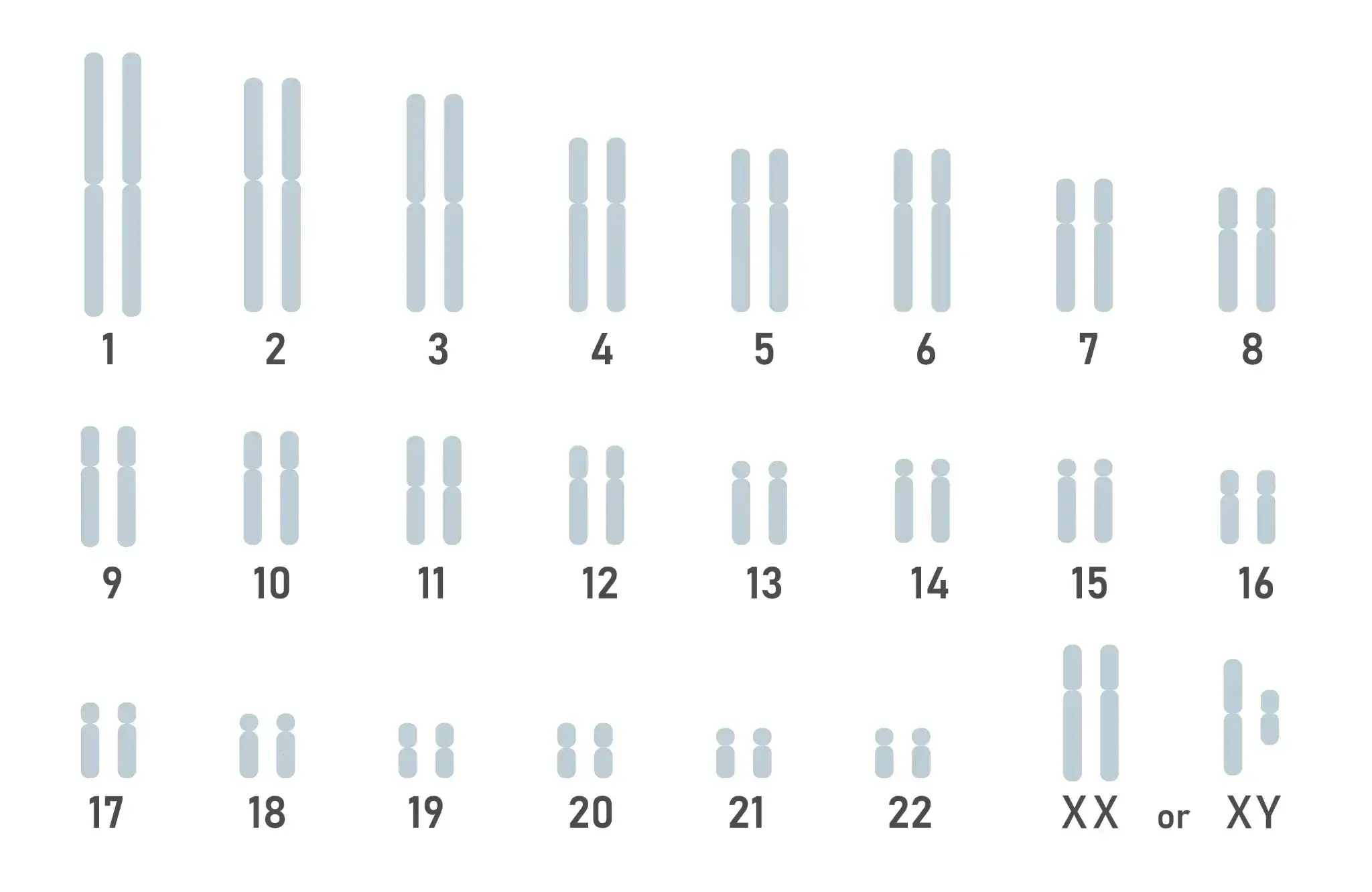
- ■
- ■
- ■
- ■
- ■
- ■
- ■
- ■
- ■
Related genes
| Related genes | MIR548I4 |
|---|---|
| Related genes | FOXL1 |
Frequently asked questions (FAQ)
Q1. What is periodontal disease?
Periodontal disease is an oral disease that occurs when plaque and tartar accumulate between teeth and gums.It causes inflammation of the gums, bleeding, and bad breath, and as it progresses, teeth become loose and eventually lead to tooth loss.
Q2. What is the cause of periodontal disease?
The main cause isAccumulation of dental plaqueIt is. Bacteria in plaque produce toxins that cause inflammation of the gums. Smoking, diabetes, stress, and genetic predisposition are also risk factors. Carriers of the type C mutation in the DNA region rs5922945 tend to be at higher risk (1).
Q3. What is the difference between periodontal disease and tooth decay?
Tooth decay isA disease in which the hard tissue of teeth dissolves due to acid produced by bacteria.It is. Periodontal disease isA disease that destroys the periodontal tissues such as the gingiva and alveolar bone that support the teeth.It is. The lesion location and causative mechanism are different.
Q4. Can genetic testing determine the risk of periodontal disease?
By examining the genotype of the DNA region rs5922945,Understanding trends in the risk of developing periodontal diseaseYou can. A study at Umeå University found that people with the C genotype tend to be at higher risk (1).
Q5. How to prevent periodontal disease?
dailyProper brushing, use of dental floss and interdental brushes, regular dental checkups and cleanings (every 3 to 6 months)is the basics. Avoiding smoking, eating a balanced diet, and managing stress can also help prevent it.
References
- Reference link 1: 2019 Jun., Dmitry Shungin, Nat Commun