
 coronary artery disease

- Coronary artery disease (CAD) is a disease in which coronary arteries are narrowed or occluded due to arteriosclerosis, reducing blood flow to the heart muscle.It is the number one cause of death in the world
- C-type mutation in DNA region rs7279974A RIKEN study found that people with the disease tend to have a higher risk of developing the disease.
- appropriateSmoking cessation, exercise, dietary management, regular checkupsIt is possible to reduce the risk of onset and prevent progression.
Overview Coronary artery disease (CAD) is a disease in which the coronary arteries (blood vessels that supply oxygen and nutrients to the heart muscle) become narrowed or blocked. It is mainly caused by arteriosclerosis, which is the accumulation of lipids and cholesterol on the arterial walls, forming plaques. This restricts blood flow to the heart and deprives the heart muscle of oxygen. Smoking, high blood pressure, high cholesterol, diabetes, obesity, lack of exercise, stress, aging, and having a family history of the disease increase the risk of developing it. Smoking in particular greatly increases the risk. Symptoms of CAD include chest pain or pressure, shortness of breath, fatigue, dizziness, and abnormal heart rate. These symptoms appear due to exercise or stress, and as the condition progresses, symptoms may appear even when at rest. Myocardial infarction occurs when a coronary artery is completely blocked, and the heart muscle undergoes necrosis (death of cells and tissues due to disease or injury) due to lack of oxygen. Treatment includes lifestyle changes, medication, and in severe cases, surgery. Early detection and appropriate treatment of CAD can alleviate symptoms and improve quality of life, so it is important to prevent disease progression and maintain good health through regular checkups and lifestyle changes. Research by Matsunaga et al. at RIKEN revealed that the risk of developing coronary artery disease is associated with the DNA region rs7279974. There are three genotypes in this DNA region: CC, CG, and GG, and it was found that people with the C genotype tend to have a higher risk of coronary artery disease.
What is coronary artery disease (CAD)?
Coronary Artery Disease (CAD) is a cardiovascular disease in which the coronary arteries that supply oxygen and nutrients to the heart muscle become narrowed or blocked due to arteriosclerosis, reducing blood flow to the heart muscle.According to WHO statistics, cardiovascular disease is the number one cause of death worldwide, accounting for approximately 17.9 million deaths annually.
Causes and mechanisms of coronary artery disease
The root cause of coronary artery disease isArteriosclerosis (atherosclerosis)It is. The process proceeds as follows.
- Plaque formation:Lipids and cholesterol accumulate on artery walls, forming plaques (atherosclerotic lesions)
- Vascular narrowing:Plaque growth narrows the lumen of coronary arteries
- Blood flow restriction:Insufficient oxygen supply to the myocardium, resulting in ischemia
- Thrombus formation:If the plaque ruptures, a blood clot may form and completely block the coronary artery.
Risk factors for coronary artery disease
The following factors increase the risk of developing coronary artery disease.
- Smoking:Smokers have 2-4 times increased risk of CAD compared to non-smokers
- High blood pressure:Risk increases when systolic blood pressure is 140 mmHg or higher
- Dyslipidemia:High LDL cholesterol levels promote plaque formation
- Diabetes:Diabetic patients are 2-4 times more likely to develop CAD
- Obesity:BMI over 30 increases risk of cardiovascular events
- Lack of exercise:Lack of physical activity is an independent risk factor
- Genetic predisposition:People with a family history are at higher risk
- Aging:Risk increases for men over 45 years old and women over 55 years old.
Main symptoms of coronary artery disease
The symptoms areprogress slowlyHowever, some cases may be asymptomatic in the early stages.
- angina pectoris(Chest pain/chest tightness)
- Shortness of breath/difficulty breathing
- chronic fatigue
- Dizziness/lightheadedness
- Abnormal heart rate (palpitations/arrhythmia)
These symptoms appear during exercise or stress, and as the condition progresses, they may appear even at rest.Complete blockage of the coronary arteries causes myocardial infarction, which causes necrosis of the heart muscle.
Difference between coronary artery disease and myocardial infarction
| Comparison items | Coronary artery disease (CAD) | Myocardial infarction (MI) |
|---|---|---|
| definition | Chronic disease due to coronary artery stenosis/occlusion | Acute events due to complete occlusion of coronary arteries |
| Progress speed | Progresses over several years to decades | sudden onset |
| symptoms | Chest pain and shortness of breath during exertion | Severe chest pain, cold sweats, vomiting |
| reversibility | Can be improved with treatment | Necrotic myocardium cannot be recovered |
| treatment | Lifestyle improvement + drug therapy | Emergency catheter treatment/surgery |
Coronary artery disease complication risk
Without proper treatment, the following complications may occur:
- myocardial infarction(Myocardial necrosis due to complete occlusion of coronary arteries)
- heart failure(decreased heart pumping function)
- arrhythmia(abnormal heart rhythm)
- sudden death(due to fatal arrhythmia)
Diagnostic method
It is diagnosed by the following tests.
- Electrocardiogram (ECG) test
- Exercise stress test (treadmill test)
- Coronary artery CT examination
- Cardiac catheterization (coronary angiography)
- Blood tests (lipid profile/inflammatory markers)
How to prevent coronary artery disease
The following lifestyle changes can reduce the risk of developing the disease.
- No smoking:CAD risk reduced by 50% in 1 year after quitting smoking
- Aerobic exercise:At least 150 minutes of moderate aerobic exercise per week is recommended.
- Meal management:Limit salt and saturated fatty acids and actively consume vegetables, fruits, and fish
- Weight management:Maintain a healthy weight with a BMI of 18.5 to 24.9
- Regular check-up:Regular measurement of blood pressure, blood sugar, and lipids
Relationship between genes and coronary artery disease
Relationship between DNA region rs7279974 and risk of onset
Research by Matsunaga et al. (1) at RIKEN revealed that the DNA region rs7279974 is associated with the risk of coronary artery disease.
- There are three genotypes of rs7279974: CC, CG, and GG.
- Genotype with type C mutationPeople with (CC/CG) tend to have a higher risk of coronary artery disease.
Genotype distribution in Japanese (rs7279974)
| Genotype | Percentage of Japanese people | percentage of the world |
|---|---|---|
| CC type | 0.2% | 5.6% |
| CG type | 10.0% | 36.3% |
| GG type | 89.7% | 57.9% |
GG type accounts for 89.7% of Japanese people, and the prevalence of type C mutation tends to be lower than the world average.
Rationale for testing
Superficial DNA region: Coronary artery disease
The gene region that most strongly affects coronary artery disease is rs7279974. The distribution of isomorphic genotypes in Japan is as follows.
- CC
0.2 % - CG
10.0 % - GG
89.7 %
Another gene region involved in coronary artery disease is rs9583531. The distribution of isomorphic genotypes in Japan is as follows
- TT
89.7 % - TG
10.0 % - GG
0.2 %
Another gene region involved in coronary artery disease is rs10455872. The distribution of isomorphic genotypes in Japan is as follows
- AA
99.9 % - AG
0.1%以下 - GG
0.1%以下
Another gene region involved in coronary artery disease is rs476828. The distribution of isomorphic genotypes in Japan is as follows
- TT
47.9 % - TC
42.6 % - CC
9.4 %
Basis for inspection
Research by Matsunaga et al. at RIKEN revealed that the risk of developing coronary artery disease is related to genes. There is a region called rs7279974 in the human genome, and there are two types of mutations, C and G, in the gene in this region. It has been found that people with type C mutations tend to have an increased risk of coronary artery disease (1).
The DNA region investigated this time
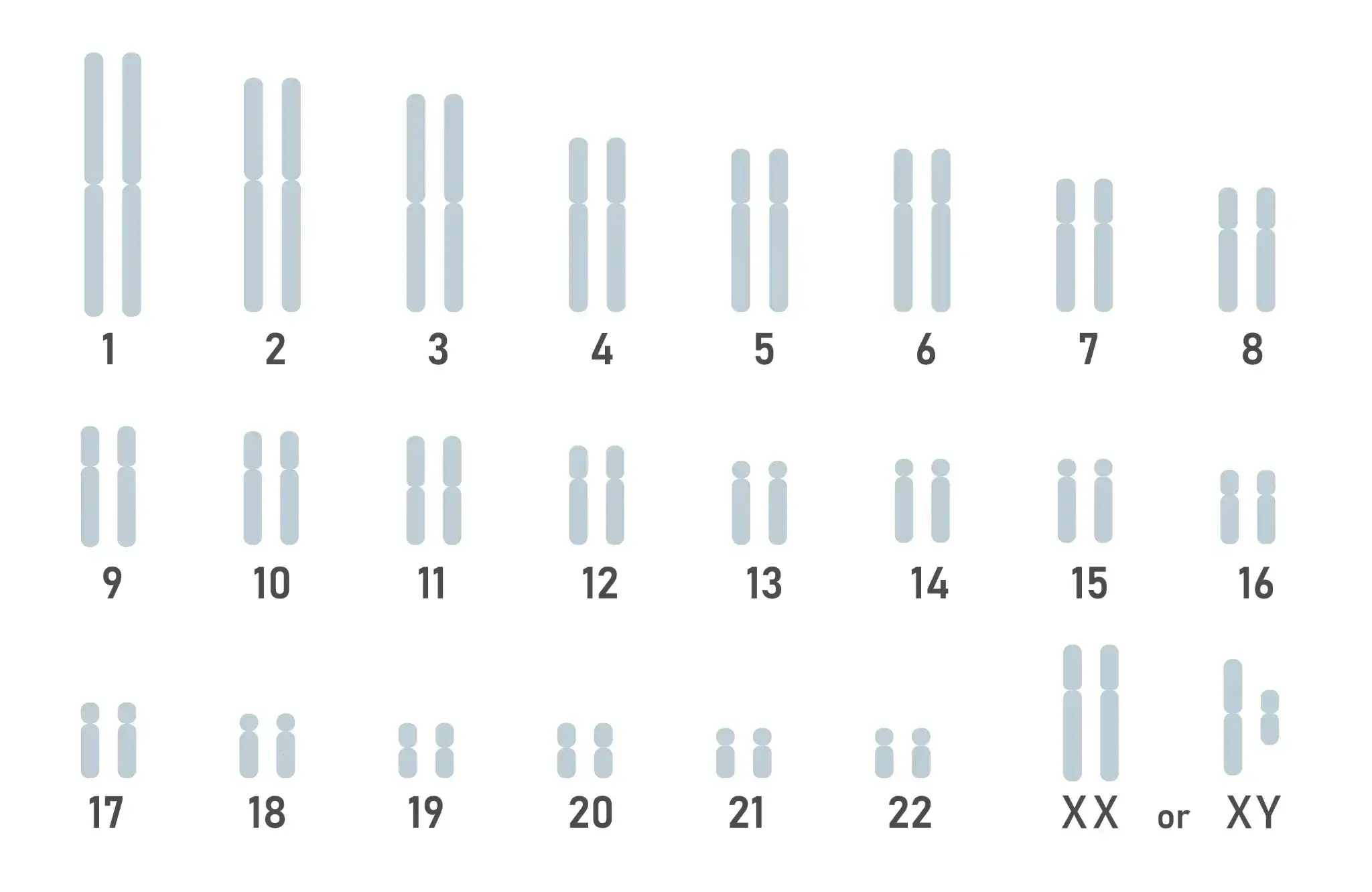
Schematic diagram of DNA map present in cells
- ■
- ■
- ■
- ■
- ■
- ■
- ■
- ■
- ■
Related genes
| Related genes | LINC00310 |
|---|---|
| Related genes | ING1 |
| Related genes | LPA |
| Related genes | RNU4-17P |
Frequently asked questions (FAQ)
Q1. What is coronary artery disease (CAD)?
Coronary artery disease (CAD) is a cardiovascular disease in which the coronary arteries that supply oxygen and nutrients to the heart become narrowed or blocked due to arteriosclerosis, reducing blood flow to the heart muscle.According to WHO statistics, cardiovascular disease is the number one cause of death worldwide, accounting for approximately 17.9 million deaths annually (1).
Q2. What are the main causes of coronary artery disease?
The main cause isPlaque formation due to accumulation of lipids and cholesterol on artery walls (arteriosclerosis)It is. Smoking, hypertension, dyslipidemia, diabetes, obesity, physical inactivity, stress, aging, and family history are major risk factors (1).
Q3. Can genetic testing determine the risk of coronary artery disease?
By examining the genotype of the DNA region rs7279974,Understand trends in the risk of developing coronary artery diseaseYou can. Research by RIKEN has revealed that people with the C genotype (CC/CG) tend to be at higher risk (1).
Q4. What are the symptoms of coronary artery disease?
Chest pain (angina), chest tightness, shortness of breath, fatigue, dizziness, abnormal heart rateis the main symptom. It appears during exercise or stress, and as it progresses, symptoms may appear even when at rest. Complete occlusion of a coronary artery causes a myocardial infarction.
Q5. How can coronary artery disease be prevented?
Smoking, doing at least 150 minutes of aerobic exercise a week, eating a well-balanced diet, maintaining a healthy weight, and regularly monitoring blood pressure, blood sugar, and cholesterol levels.is valid. It is estimated that the risk of CAD decreases by approximately 50% within one year after quitting smoking.
References
- Reference link 1: 2020 Jun., Hiroshi Matsunaga, Circ Genom Precis Med
- Reference link 2: 2018 Feb., Pim van der Harst, Circ Res
- Reference link 3: 2022 Dec., Krishna G Aragam, Nat Genet