
 Ulrich congenital muscular dystrophy

- Ulrich congenital muscular dystrophy (UCMD) is a genetic muscle disease caused by type VI collagen gene mutations.This disease develops in infancy and causes muscle weakness and joint contractures.
- Type A mutation in DNA region rs2150458Study finds that people with
- CurrentlyNo radical treatment has been establishedHowever, quality of life can be improved through symptomatic treatment and rehabilitation.
Overview Collagen VI-related dystrophy is an inherited muscle disease caused by mutations in the COL6A1, COL6A2, and COL6A3 genes. These genetic mutations affect the protein that makes type VI collagen, which supports the body's tissues. When type VI collagen does not function properly, symptoms appear in skeletal muscles, skin, joints, etc. The main types of collagen VI-related dystrophy are: 1. Ullrich Congenital Muscular Dystrophy (UCMD): The most severe and usually begins in infancy. Symptoms include muscle weakness, joint stiffness, and scoliosis. 2. Bethlem Muscular Dystrophy (BM): It is relatively mild and occurs from childhood to adulthood. It is characterized by proximal muscle weakness, joint stiffness, and scoliosis, and progresses slowly. 3. Intermediate type: intermediate between UCMD and BM, with characteristics of both. 4. Hereditary musculoaponeurotic dysplasia: Characterized by thickening and stiffness of the musculoaponeurosis. Accurate diagnosis of this disease requires genetic testing. Currently, there is no effective treatment yet, but symptomatic treatment and rehabilitation are the main treatments that can slow the progression of symptoms and improve the quality of life for many patients. A study by Emilsson et al. of the Icelandic Heart Association revealed that the risk of developing Ulrich congenital muscular dystrophy is associated with a DNA region called rs2150458. There are three genotypes in this DNA region: GG, AG, and AA, and it was found that people with the A genotype tend to have a higher risk of Ulrich congenital muscular dystrophy.
What is Ulrich congenital muscular dystrophy?
Ulrich congenital muscular dystrophy (UCMD) is a genetic muscle disease in which type VI collagen does not function properly due to mutations in the COL6A1, COL6A2, and COL6A3 genes.It is the most severe type of collagen VI-related dystrophy and begins in infancy.
Causes and mechanisms of Ulrich type congenital muscular dystrophy
Type VI collagen is a structural protein that supports body tissues such as skeletal muscles, skin, and joints. Mutations in the COL6A1, COL6A2, and COL6A3 genes cause the following disorders.
- Structural abnormality of type VI collagen:Normal collagen fibers are not formed and tissue support function is reduced.
- Disorders of muscle extracellular matrix:Connective tissue surrounding muscle fibers weakens, leading to muscle weakness
Main symptoms of Ulrich congenital muscular dystrophy
UCMD isinfancyIt develops and exhibits the following symptoms:
- systemicmuscle weakness(especially proximal muscles)
- joint contracture(stiffness of proximal joints)Hypermobility of distal joints
- scoliosisprogression of
- Due to respiratory muscle disordersrespiratory failure
- Skin hyperextensibility (velvety texture)
Type comparison of collagen VI-related dystrophies
| Comparison items | Ulrich type (UCMD) | Bethlem type (BM) |
|---|---|---|
| severity | most severe | relatively mild |
| Time of onset | infancy | Infancy to adulthood |
| walking ability | Unable to walk alone ~ Restrictions apply | Can be maintained for a long time |
| joint symptoms | Coexistence of contracture and hypermobility | Characteristic flexion contracture of the fingers |
| Progress speed | relatively rapid | slow |
| breathing problems | High frequency (artificial respiration required) | Rare |
In addition to thisintermediate type(has characteristics of both UCMD and BM) andHereditary musculoaponeurotic dysplasia(characterized by thickening and stiffness of the muscle aponeurosis) is also present.
Diagnostic method
The following tests are required for accurate diagnosis:
- Genetic testing:Confirmed mutations in COL6A1, COL6A2, and COL6A3 genes
- Muscle biopsy:Confirmed structural abnormalities in muscle fibers and decreased expression of type VI collagen
- Serum CK value:Normal to mildly elevated
Treatment and prognosis
Currently, for UCMDNo radical treatment has been establishedIt is. Treatment mainly consists of the following symptomatic treatments:
- Rehabilitation:Prevention of joint contracture and maintenance of muscle strength
- Breathing management:Respiratory support with non-invasive positive pressure ventilation (NIPPV)
- Orthopedic intervention:Surgery for scoliosis and joint contractures
- Nutritional management:Adequate nutritional support for dysphagia
Relationship between genes and Ulrich congenital muscular dystrophy
Relationship between DNA region rs2150458 and disease risk
A study by Emilsson et al. (1) of the Icelandic Heart Association found that the DNA region rs2150458 is associated with the risk of developing Ulrich congenital muscular dystrophy.
- There are three genotypes of rs2150458: GG, GA, and AA.
- Genotype with type A mutationpeople tend to be at increased risk of Ulrich congenital muscular dystrophy
Genotype distribution in Japanese (rs2150458)
| Genotype | Percentage of Japanese people | percentage of the world |
|---|---|---|
| GG type | 2.2% | 29.9% |
| GA type | 25.3% | 49.5% |
| AA type | 72.4% | 20.4% |
Rationale for testing
Superficial DNA region: Ulrich congenital muscular dystrophy
The gene region that most strongly affects Ulrich congenital muscular dystrophy is rs2150458. The distribution of isomorphic genotypes in Japan is as follows.
- GG
2.2 % - GA
25.3 % - AA
72.4 %
Basis for inspection
A study by Emilsson et al. of the Icelandic Heart Association revealed that the risk of developing Ulrich congenital muscular dystrophy is linked to genes. There is a region called rs2150458 in the human genome, and there are two types of mutations, G and A, in the gene in this region. It was found that people with the G-type mutation tend to have a higher risk of developing Ulrich congenital muscular dystrophy.
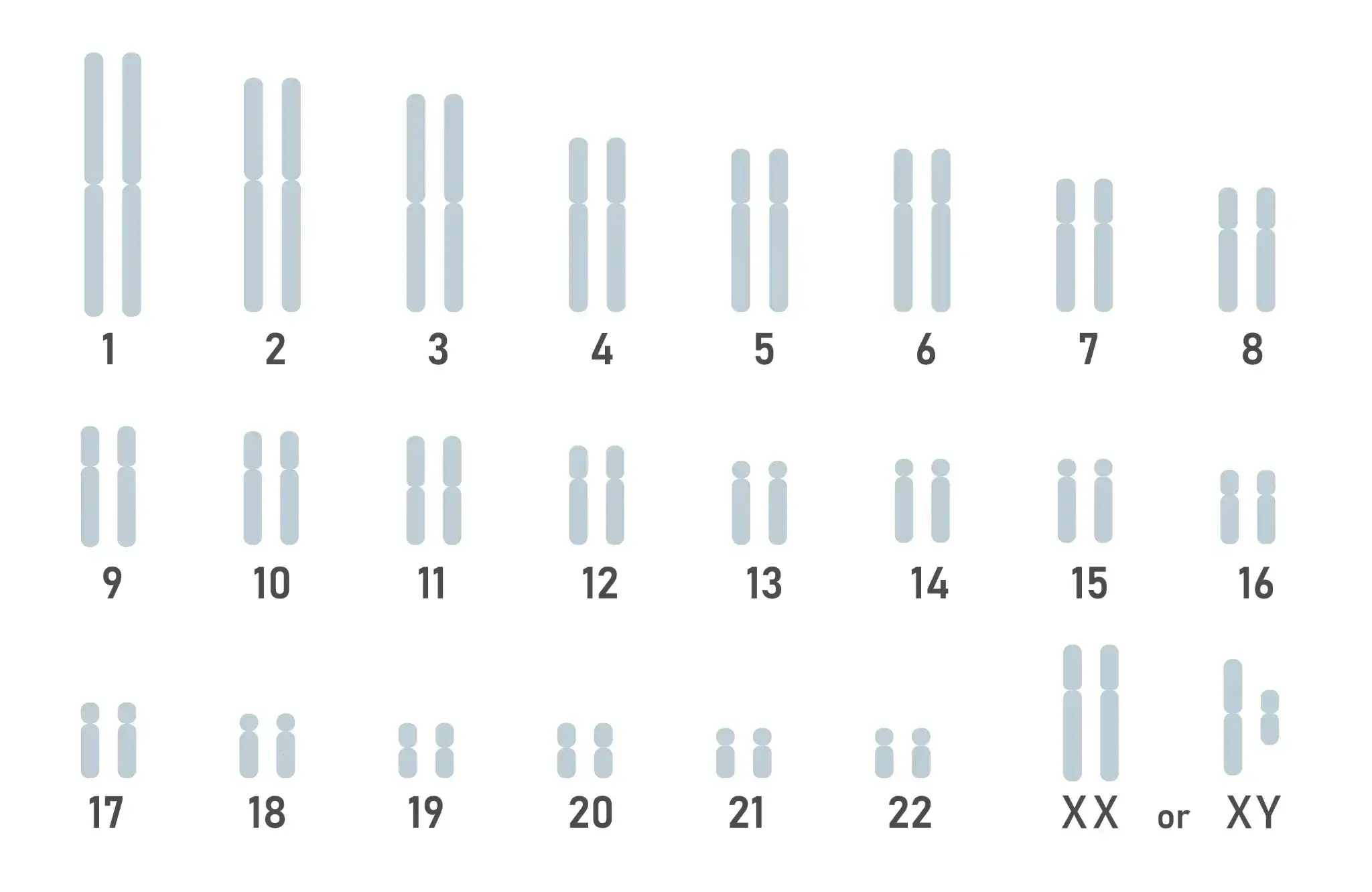
The DNA region investigated this time
Schematic diagram of DNA map present in cells
- ■
- ■
- ■
- ■
- ■
- ■
- ■
- ■
- ■
Related genes
| Related genes | PCBP3 |
|---|
Frequently asked questions (FAQ)
Q1. What is Ulrich congenital muscular dystrophy?
Ulrich congenital muscular dystrophy (UCMD) is a genetic muscle disease in which type VI collagen does not function properly due to mutations in the COL6A1, COL6A2, and COL6A3 genes.It is the most severe type of collagen VI-related dystrophy and begins in infancy. Symptoms include muscle weakness, joint contracture, and scoliosis.
Q2. What is the cause of Ulrich congenital muscular dystrophy?
Mutations in COL6A1, COL6A2, and COL6A3 genesis the cause. These genes are involved in the production of type VI collagen, and mutations prevent normal collagen formation and cause disorders in skeletal muscles, skin, and joints. Carriers of the type A mutation in the DNA region rs2150458 tend to be at increased risk (1).
Q3. What types of collagen VI-related dystrophy are there?
Mainly4 typesThere is. most severeUlrich type (UCMD), relatively mildBethlem type (BM), an intermediate type between the two, andHereditary musculoaponeurotic dysplasiaIt is. The severity and time of onset vary.
Q4. Can genetic testing determine the risk of Ulrich type?
By examining the genotype of the DNA region rs2150458,Understanding risk trends for Ulrich type congenital muscular dystrophyYou can. Studies have shown that people with the genotype A tend to be at increased risk (1).
References
- Reference link 1: 2018 Aug., Valur Emilsson, Science