
 liver cirrhosis

- Cirrhosis is a chronic disease in which liver function declines due to scarring (fibrosis) of liver tissue.Mainly caused by hepatitis C, alcohol, and fatty liver.
- G-type mutation in DNA region rs751402Research shows that people with the disease tend to be at higher risk of developing
- early detection andEliminating causes and improving lifestyle habitsIt is possible to suppress progression and restore liver function.
Overview Cirrhosis is a chronic liver disease in which healthy liver tissue is replaced by scar tissue and liver function is gradually lost. This scarring is the result of long-term damage, primarily caused by alcohol abuse, hepatitis B and C, and nonalcoholic fatty liver disease. Increased scar tissue restricts blood flow through the liver, reducing its ability to process nutrients, hormones, drugs, and toxins. It also reduces the production of proteins and other substances made by the liver. Patients with cirrhosis exhibit a variety of symptoms as liver function declines. In the early stages, you may have no symptoms or feel tired, weak, and lose your appetite. As the disease progresses, noticeable symptoms include jaundice (yellowing of the skin and eyes), itching, swelling of the legs (edema), and swelling of the abdomen (ascites). Other complications include easy bruising, gastrointestinal bleeding, confusion, and encephalopathy (due to a buildup of toxins that the liver cannot remove). The prognosis of cirrhosis depends on the cause and stage of diagnosis. If detected early and the cause treated, the liver has the ability to repair itself. However, advanced cirrhosis can lead to liver failure and liver cancer, and may require liver transplantation. Lifestyle changes, medication type and frequency, and regular check-ups are important in caring for cirrhosis and improving quality of life. A study by Yang et al. at Gansu Provincial Hospital revealed that the risk of developing liver cirrhosis is associated with a DNA region called rs751402. There are three genotypes in this DNA region: AA, AG, and GG, and it was found that people with the G genotype tend to have a higher risk of liver cirrhosis.
What is cirrhosis?
Cirrhosis is a chronic liver disease in which healthy liver tissue is replaced by scar tissue (fibrosis) and liver function is gradually lost.Scarring occurs as a result of long-term damage to the liver.
Causes and mechanisms of liver cirrhosis
Cirrhosis occurs when the liver is chronically damaged due to the following causes, and fibrous (scar) tissue accumulates during the repair process.
- Hepatitis C virus (HCV):Accounts for approximately 50% of causes of liver cirrhosis in Japan
- Alcoholic liver damage:Caused by long-term excessive drinking (about 20%)
- Hepatitis B virus (HBV):Hepatitis due to chronic infection progresses (approximately 15%)
- Non-alcoholic fatty liver disease (NAFLD/NASH):Increased trend in recent years related to obesity and diabetes
Increased scar tissue restricts blood flow through the liver, reducing its ability to process nutrients, hormones, drugs, and toxins. The amount of proteins and other substances produced by the liver is also reduced.
Main symptoms of liver cirrhosis
The symptoms areStage of disease progressionIt depends.
| stage | symptoms |
|---|---|
| Compensation period (initial period) | No symptoms, or fatigue, weakness, or loss of appetite |
| Decompensated phase (advanced phase) | Jaundice, ascites, edema, gastrointestinal bleeding, hepatic encephalopathy |
Difference between cirrhosis and other liver diseases
| Comparison items | liver cirrhosis | fatty liver | hepatitis |
|---|---|---|---|
| Liver tissue condition | Extensive scarring (fibrosis) | fat accumulates | Mainly inflammation |
| reversibility | irreversible as it progresses | Reversible if caught early | Can be improved with treatment |
| liver cancer risk | expensive | low to moderate | Increases with chronicity |
| Main treatment | Eliminating the cause/liver transplantation | Lifestyle improvement | Antiviral drugs, etc. |
Complication risk of liver cirrhosis
Without proper treatment, the following complications may occur:
- Portal hypertension:Blood flow to the liver is inhibited and pressure in the portal vein increases
- Ascites:Fluid collection in the abdominal cavity (occurs in approximately 60% of patients)
- Esophageal varices rupture:Gastrointestinal bleeding due to portal hypertension
- Hepatic encephalopathy:Impaired consciousness due to accumulation of toxins that cannot be removed by the liver
- Hepatocellular carcinoma (liver cancer):The annual cancer incidence in patients with liver cirrhosis is approximately 3-5%.
How to prevent liver cirrhosis
The following lifestyle changes are effective in preventing liver cirrhosis.
- Limit alcohol intake (20g or less per day for men, 10g or less per day for women)
- Hepatitis B vaccination
- Appropriate weight management and exercise habits
- Regular liver function tests
Relationship between genes and liver cirrhosis
Relationship between DNA region rs751402 and onset risk
A study by Yang et al. from Gansu Provincial Hospital found that the DNA region rs751402 was associated with the risk of developing liver cirrhosis.
- There are three genotypes of rs751402: AA, AG, and GG.
- Genotype with type G mutationpeople tend to have a higher risk of liver cirrhosis
Genotype distribution in Japanese (rs751402)
| Genotype | Percentage of Japanese people | percentage of the world |
|---|---|---|
| AA type | 14.0% | 4.0% |
| AG type | 46.8% | 32.0% |
| GG type | 39.0% | 63.9% |
Rationale for testing
Superficial DNA region: liver cirrhosis
The gene region that most strongly influences liver cirrhosis is rs751402. The distribution of isomorphic genotypes in Japan is as follows.
- AA
14.0 % - AG
46.8 % - GG
39.0 %
Basis for inspection
A study by Yang et al. at Gansu Provincial Hospital revealed that the risk of developing liver cirrhosis is related to genes. There is a region called rs751402 in the human genome, and there are two types of mutations, A and G, in the gene in this region.People with the G mutation tend to have a higher risk of liver cirrhosisI found out that there is.
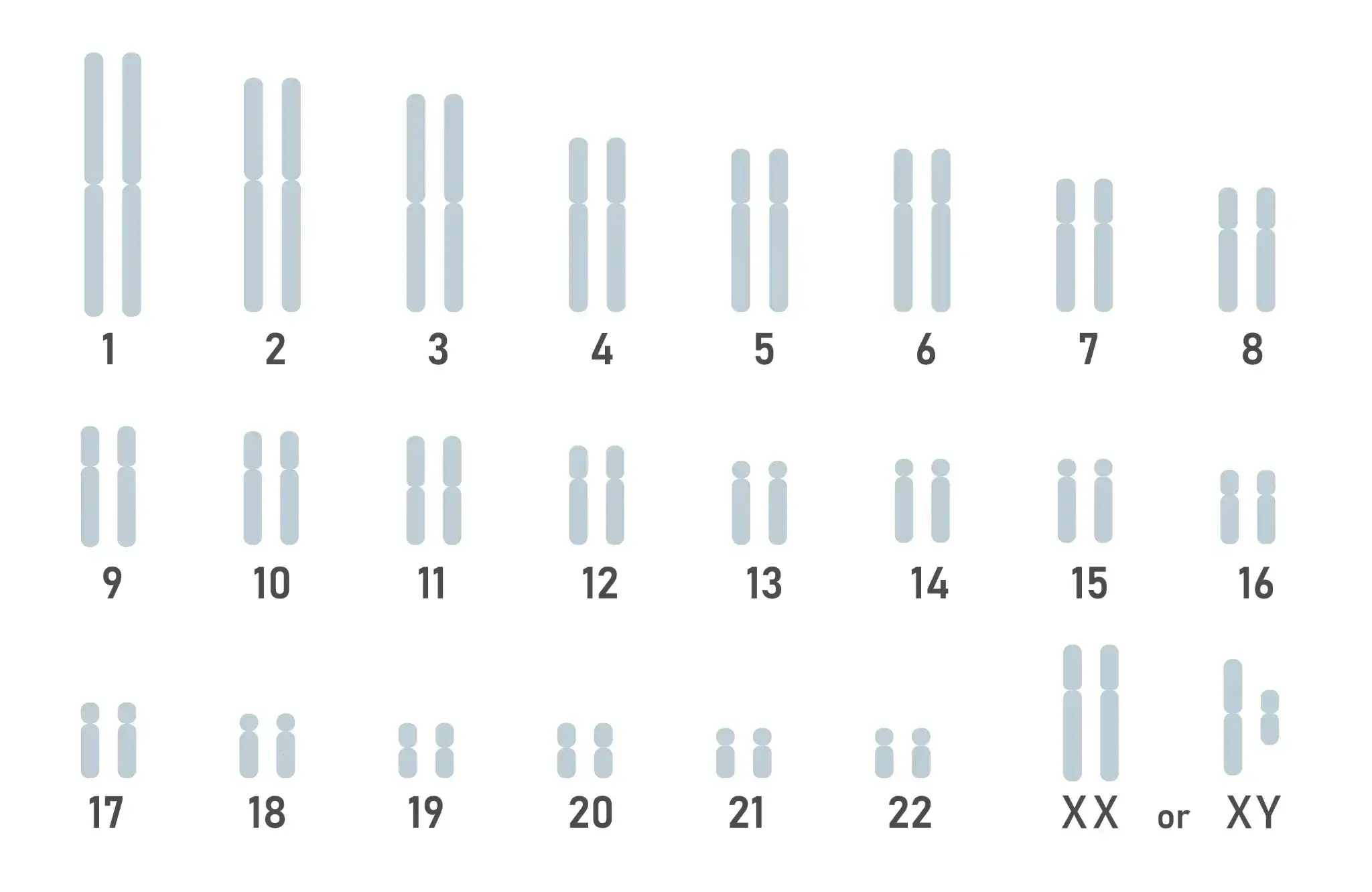
The DNA region investigated this time
Schematic diagram of DNA map present in cells
- ■
- ■
- ■
- ■
- ■
- ■
- ■
- ■
- ■
Related genes
| Related genes | ERCC5 |
|---|
Frequently asked questions (FAQ)
Q1. What is liver cirrhosis?
Cirrhosis is a chronic liver disease in which healthy liver tissue is replaced by scar tissue (fibrosis) and liver function is gradually lost.The main causes are hepatitis C virus (about 50%), alcoholic liver damage (about 20%), and hepatitis B virus (about 15%).
Q2. What is the cause of liver cirrhosis?
The main cause isViral hepatitis (types B and C) and long-term alcohol abuseIt is. In recent years, non-alcoholic fatty liver disease (NAFLD/NASH) has also increased. Carriers of the G mutation in the rs751402 DNA region tend to be at higher risk.
Q3. What are the symptoms of liver cirrhosis?
In the early daysAsymptomatic or fatigue/loss of appetiteThat's about it. As the disease progresses, jaundice (yellowing of the skin and eyes), ascites, edema (swelling of the legs), gastrointestinal bleeding, and hepatic encephalopathy (impaired consciousness) occur.
Q4. Can genetic testing determine the risk of liver cirrhosis?
By examining the genotype of DNA region rs751402,Understand the risk trend of liver cirrhosisYou can. A study by Gansu Provincial Hospital found that people with the G mutation genotype tend to be at higher risk.
Q5. Can liver cirrhosis be cured? Are there any preventive measures?
If you discover it early and eliminate the cause,The liver's ability to repair itselfThere is. However, advanced cirrhosis is irreversible and may require a liver transplant. Alcohol restriction, hepatitis vaccination, weight management, and regular check-ups are effective ways to prevent the disease.
References
- Reference link 1: 2020 Jan-Dec., Gang Yang, Technol Cancer Res Treat