
 Risk of worsening chronic hepatitis C
- The risk of severe chronic hepatitis C is the risk of hepatitis C virus infection progressing to liver cirrhosis and liver cancer., and 65% of liver cancers in Japan are caused by hepatitis C virus.
- GG type of DEPDC5 gene (DNA region rs1012068)Research reveals that people with hepatitis C are more likely to develop liver cancer due to hepatitis C virus infection
- The prevalence of type GG among Japanese people is1.4%This is a low percentage compared to the global average of 7.6%.
Overview In Japan, 65% of liver cancers are caused by the hepatitis C virus, which is a high rate compared to the rest of the world. According to a survey by the National Cancer Center, approximately 30,000 people die from liver cancer each year, although the number has been on the decline in recent years. (Reference link 1) The liver is also called the "silent organ," and in many cases there are no symptoms even if infected with the hepatitis C virus, and over a long period of time, it can progress to cirrhosis or liver cancer, so caution is required. Infection with the hepatitis C virus causes inflammation in the liver, and in the process of healing damaged liver cells, the tissue becomes hard and a state called fibrosis occurs, in which organ function decreases. Through repeated damage and regeneration, fibrosis progresses and progresses to ``cirrhosis'' and ``liver cancer.'' Furthermore, it is thought that liver cancer develops due to the influence of genes during this fibrosis process. A recent research report has revealed that a certain region of the DEPDC5 gene is likely to influence the risk of developing liver cancer caused by the hepatitis C virus. In recent years, antiviral drugs have been developed to treat hepatitis C, and it is said that approximately 90% of people are cured and the risk of death from liver cirrhosis and liver cancer can be reduced. (Reference link 2) Early detection and early treatment can reduce the risk of developing cancer in the future. It is hoped that finding out one's own genetic type through genetic testing and knowing the risk of developing liver cancer related to the hepatitis C virus will be useful in preventing the onset of the disease and taking early measures. 2. Rationale Research by Japan's Research Center for Genomic Medicine has revealed that some people infected with the hepatitis C virus are more likely to develop liver cancer depending on the specific type of the DEPDC5 gene. This genotype is called the DNA region "rs1012068" and there are three genotypes: GG type, GT type, and TT type. (Reference link 3) Although it does not necessarily mean that the disease will develop, people with ``GG type'' who have Risk Allele are more likely to develop liver cancer due to hepatitis C virus infection, and people with ``GT type'' tend to be slightly more likely to develop liver cancer. Among East Asians, the most common genetic type is the TT type at 59.3%, followed by the GT type at 35.4% and the GG type at 5.3%. (Reference link 4) The possibility of developing the disease increases due to a combination of environmental factors such as lifestyle habits. Alcohol intake, diabetes, and obesity have been reported to be predictive factors for liver cancer. (Reference link 5) Dietary habits that place a burden on the liver include excessive intake of alcohol and carbohydrates, fatty meat, and fried foods. (Reference link 6) This kind of diet is attracting attention as a pathological condition that can easily lead to fatty liver, which can lead to hepatitis and cirrhosis regardless of the virus. It is recommended that people infected with hepatitis virus avoid such meals. Choosing the right diet is important to reduce your cancer risk. By understanding the risk of developing liver cancer due to hepatitis C virus infection at an early stage, it becomes possible to manage the risks in terms of lifestyle and environment. 3. Mechanism of action According to recent research, the DEPDC5 gene, which is involved in the development of liver cancer, is caused by the hepatitis C virus, and is located on chromosome 22 of the 24 human chromosomes. Although the mechanism by which the DEPDC5 gene is directly involved in liver cancer has not yet been elucidated, it is known that mutations in this gene activate certain proteins in the liver, making it easier for fat to accumulate in the liver due to ethanol intake. In other words, if you have a defective mutation in the DEPDC5 gene, depending on the genotype of the DNA region rs1012068, you will be more likely than normal people to accumulate fat in your liver and cause inflammation when you drink alcohol. The combination of fatty liver and hepatitis caused by alcohol consumption and inflammation caused by the hepatitis C virus causes liver fibrosis to progress rapidly, ultimately increasing the possibility of developing cirrhosis and liver cancer. Based on the above, the DNA region "rs1012068" can be said to be one of the single nucleotide polymorphisms that is attracting attention because it is closely related to the onset of liver cancer caused by hepatitis C virus.
What is the risk of worsening chronic hepatitis C?
The risk of severe chronic hepatitis C refers to the risk of progression to liver cirrhosis or liver cancer if hepatitis C virus (HCV) infection persists for a long period of time.In Japan, 65% of liver cancers are caused by the hepatitis C virus, a higher rate than the global average.
Why does chronic hepatitis C become more severe?
The liver is called the "silent organ," and even if infected with the hepatitis C virus, there are no noticeable symptoms, so the disease progresses over a long period of time. The main mechanisms of aggravation are as follows.
- Viral infection:Hepatitis C virus causes inflammation in the liver
- Progression of fibrosis:During the process of repairing damaged liver cells, the tissue becomes hard and its function decreases.
- Transition to cirrhosis:Fibrosis progresses through repeated damage and regeneration.
- Development of liver cancer:Cancer occurs due to the influence of genes during the fibrosis process.
Data on the severity of chronic hepatitis C
| Item | Numerical values/data |
|---|---|
| Rate of hepatitis C in liver cancer (Japan) | 65% |
| Annual number of liver cancer deaths (Japan) | Approximately 30,000 people |
| Complete cure rate with antiviral drugs | Approximately 90% |
| Related genes | DEPDC5 (chromosome 22) |
| Related DNA regions | rs1012068 |
According to a survey by the National Cancer Center, although the annual number of liver cancer deaths is on the decline, there are still approximately 30,000 deaths per year.
Relationship between genes and the risk of severe chronic hepatitis C
Relationship between DEPDC5 gene (DNA region rs1012068) and liver cancer
Research by Japan's Genome Medical Science Research Center (Daiki Miki, 2011, Nature Genetics) revealed that the DNA region rs1012068 of the DEPDC5 gene influences the risk of developing liver cancer in people infected with hepatitis C virus.
- rs1012068 hasGG・GT・TTThere are three genotypes of
- GG typePeople with (Risk Allele) have a high risk of liver cancer due to hepatitis C virus infection.
- GT typePeople who are more likely to develop the disease
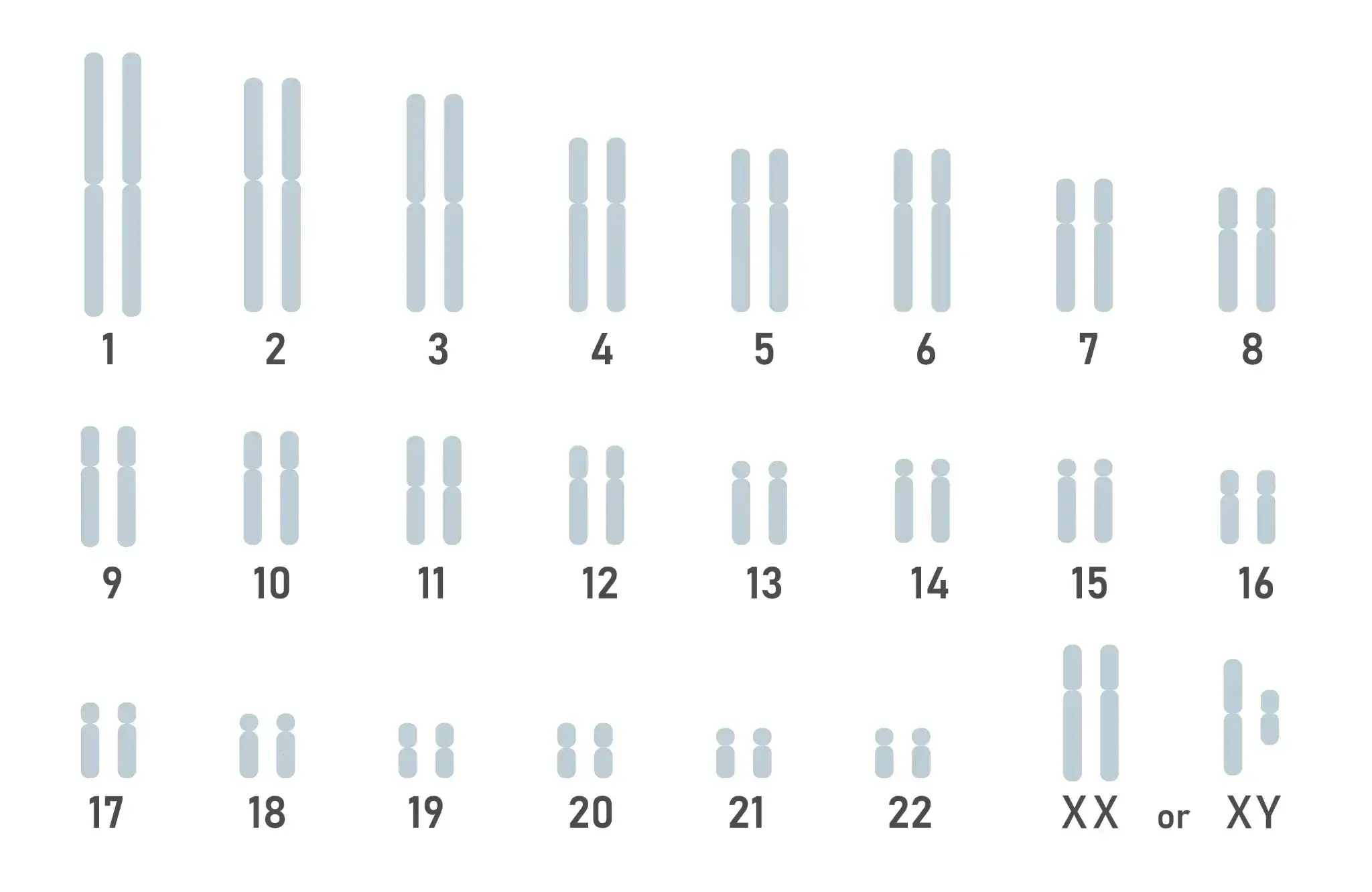
- This gene region is related to the DEPDC5 gene located on chromosome 22
Comparison of genotype distribution in Japanese and the world (rs1012068)
| Genotype | Percentage of Japanese people | percentage of the world | risk |
|---|---|---|---|
| TT type | 77.4% | 52.3% | low |
| TG type | 21.1% | 40.0% | somewhat expensive |
| GG type | 1.4% | 7.6% | expensive |
The high-risk GG type prevalence among Japanese people is1.4%This is approximately 5.4 times lower than the global average of 7.6%. The percentage of Japanese people with type TT is77.4%This is higher than the world average of 52.3% and reflects the genetic characteristics of the Japanese population.
What is the mechanism by which the DEPDC5 gene is involved in liver cancer?
Mutations in the DEPDC5 gene activate liver proteins and promote fat accumulation in the liver due to ethanol intake.The specific mechanism is as follows.
- Step 1:Mutations occur in the DEPDC5 gene depending on the rs1012068 genotype
- Step 2:The mutation activates a protein in the liver, making it easier for fat to accumulate in the liver when drinking alcohol.
- Step 3:Fatty liver/hepatitis caused by alcohol and inflammation caused by hepatitis C virus overlap.
- Step 4:Liver fibrosis accelerates, increasing the risk of developing cirrhosis and liver cancer.
Comparison of risk factors for liver cancer
| risk factors | classification | influence |
|---|---|---|
| DEPDC5 gene mutation (GG type) | genetic factors | Increased risk of developing liver cancer |
| alcohol intake | environmental factors | Promotes fatty liver and hepatitis |
| diabetes | environmental factors | Predictors of liver cancer |
| obesity | environmental factors | Increased risk of fatty liver |
| High-fat diet/excessive sugar intake | environmental factors | Increased burden on the liver |
Rationale for testing
External DNA region: risk of severe chronic hepatitis C
The gene region that most strongly influences the risk of severe chronic hepatitis C is rs1012068. The distribution of isomorphic genotypes in Japan is as follows.
- TT
77.4 % - TG
21.1 % - GG
1.4 %
Basis for inspection
Research by Japan's Genome Medical Science Research Center has revealed that some people infected with hepatitis C virus are more likely to develop liver cancer depending on the specific type of the DEPDC5 gene. The DNA region rs1012068 has three genotypes: GG, GT, and TT, and Risk People with type GG who have Allele are more likely to develop liver cancer due to hepatitis C virus infection, and people with type GT are slightly more likely to develop liver cancer.
The DNA region investigated this time
Schematic diagram of DNA map present in cells
- ■
- ■
- ■
- ■
- ■
- ■
- ■
- ■
- ■
Related genes
| Related genes | DEPDC5 |
|---|
Frequently asked questions (FAQ)
Q1. What is the risk of severe chronic hepatitis C?
The risk of severe chronic hepatitis C refers to the risk that hepatitis C virus (HCV) infection persists for a long period of time and develops into liver cirrhosis or liver cancer.In Japan, 65% of liver cancers are caused by the hepatitis C virus, and approximately 30,000 people die from liver cancer each year. The liver is called a "silent organ" and has the characteristic of becoming seriously ill without any noticeable symptoms.
Q2. Is the risk of severe chronic hepatitis C related to genes?
Yes.Research by Japan's Genome Medical Science Research Center (Daiki Miki, 2011, Nature Genetics) has found that the DNA region rs1012068 of the DEPDC5 gene affects the risk of developing liver cancer in people infected with hepatitis C virus.People with type GG are more likely to develop liver cancer, and people with type GT are slightly more likely to develop liver cancer.
Q3. What is the distribution of genotype rs1012068 in Japanese people?
The genotype distribution of rs1012068 in Japanese people isTT type 77.4%, TG type 21.1%, GG type 1.4%It is. Worldwide, 52.3% are TT type, 40.0% are TG type, and 7.6% are GG type, and Japanese people have a low rate of high-risk GG type, which is about 1/5.4 of the world average.
Q4. Can hepatitis C be treated?
Approximately 90% of patients can be completely cured using antiviral drugs developed in recent years.Early detection and treatment are important to reduce the risk of death from liver cirrhosis and liver cancer. Understanding your own risk through genetic testing can help with prevention and early measures.
Q5. How is the DEPDC5 gene involved in liver cancer?
Mutations in the DEPDC5 gene activate liver proteins and promote fat accumulation in the liver upon ethanol intake.Fatty liver due to drinking Overlapping inflammation caused by hepatitis C virus accelerates fibrosis and increases the risk of progression to cirrhosis and liver cancer. Avoiding excessive intake of alcohol and carbohydrates and high-fat foods are important for prevention.
References
- Reference link 1: Information on “Liver Cancer and Hepatitis C” Hepatitis C Support Net
- Reference link 2: Information on “Hepatitis C” Ministry of Health, Labor and Welfare Quarantine Station
- Reference link 3: 2011 Jul., Daiki Miki, Nature Genetics.
- Reference link 4: DNA Information on region “rs1012068” NIH
- Reference link 5: 2010 Jul., Ju Dong Yang, Nature Reviews Gastroenterology & Hepatology.
- Reference link 6: 2021 Jul., Lin Xu, Cell Death & Disease.