
 Chronic diseases of tonsils and adenoids

- Chronic diseases of the tonsils and adenoids are diseases in which repeated inflammation of the lymphatic tissue causes respiratory problems and infections.and is particularly common in children
- T-type mutation in DNA region rs9542155A University of Helsinki study found that people with
- In severe casesTonsillectomy or adenoidectomycan reduce chronic inflammation and improve breathing and sleep.
Overview Chronic diseases of the tonsils and adenoids are particularly common in children. The tonsils are a piece of lymph tissue located on either side of the back of the mouth, and the adenoids are a piece of lymph tissue located at the top of the back of the nose. These tissues play an important role in the body's immune response, and chronic inflammation can lead to a variety of health problems. Chronic tonsillitis is a condition in which the tonsils become repeatedly inflamed, causing swelling and pain. Main symptoms include sore throat, pharyngitis, bad breath, fever, and swollen lymph nodes. As the condition progresses, the tonsils become enlarged, making breathing and swallowing difficult. Chronic inflammation of the adenoids is a condition in which the adenoids become repeatedly inflamed. Symptoms include nasal congestion, snoring, sleep apnea, ear infections (otitis media), chronic runny nose, and nasal voice (a nasal sounding sound). When the adenoids become enlarged, breathing through the nose becomes difficult and mouth breathing becomes common. Treatment includes the use of antibiotics and anti-inflammatory drugs, as well as allergy treatments. If symptoms are severe and significantly affect daily life, tonsillectomy (tonsillectomy) or adenoidectomy (adenoidectomy) may be considered. These surgeries are performed to reduce chronic inflammation and infection and improve breathing and sleep. A study by Saarentaus et al. at the University of Helsinki revealed that the risk of developing chronic tonsil and adenoid diseases is associated with a DNA region called rs9542155. There are three genotypes in this DNA region: TT, TC, and CC, and it was found that people with the T genotype tend to have a higher risk of chronic diseases of the tonsils and adenoids.
What are chronic diseases of tonsils and adenoids?
Chronic tonsil and adenoid disease is a disease in which the lymphatic tissue located on both sides of the back of the mouth (tonsils) and the lymphatic tissue at the top of the nasal cavity (adenoids) repeatedly become inflamed.These tissues play an important role in the immune response, but chronic inflammation causes a variety of health problems such as breathing problems, infections, and sleep disorders.
Causes and symptoms of chronic tonsillitis
Chronic tonsillitis is a condition in which the tonsils repeatedly become inflamed, causing swelling and pain. The main symptoms are:
- Sore throat:Persistent or recurrent sore throat
- Pharyngitis:Discomfort due to throat inflammation
- Bad breath:Bad odor due to chronic bacterial infection
- Fever:Recurrent episodes of fever
- Swollen lymph nodes:Swollen cervical lymph nodes
As the symptoms progress, the tonsils become enlarged,Difficulty breathing or swallowingcause.
Causes and symptoms of adenoid chronic inflammation
Chronic inflammation of the adenoids is a condition in which the lymphatic tissue at the top of the nasal cavity becomes repeatedly inflamed. The main symptoms are:
- Stuffy nose:persistent nasal obstruction
- Snoring/sleep apnea:Breathing disorders due to airway narrowing
- Otitis media:Recurrent otitis media due to Eustachian tube dysfunction
- Chronic runny nose:persistent rhinorrhea
- nasal voice:a nasally voice
Enlarged adenoids make it difficult to breathe through the nose.Mouth breathing becomes the normI will.
Difference between chronic tonsillitis and adenoid chronic inflammation
| Comparison items | chronic tonsillitis | adenoid chronic inflammation |
|---|---|---|
| position | both sides of the back of the mouth | upper nasal cavity |
| Main symptoms | Sore throat, bad breath, fever | Stuffy nose, snoring, otitis media |
| Effect on breathing | Dysphagia/airway narrowing | Difficulty breathing through the nose/regular breathing through the mouth |
| Age of onset | Children to adults | Mainly children (2-7 years old) |
| surgery | tonsillectomy | adenoidectomy |
Treatment classification and selection criteria
Treatment is selected according to the severity of symptoms:
- Drug therapy:Administration of antibiotics/anti-inflammatory drugs, allergy treatment
- Progress observation:In mild cases, regular medical examination and symptom management
- Surgical treatment:If the symptoms are severe and interfere with daily life
- Tonsillectomy (tonsillectomy)
- Adenoidectomy (adenoidectomy)
These surgeries reduce chronic inflammation and infection,Improved breathing and sleepIt is carried out for the purpose of
Relationship between genes and tonsil/adenoid chronic diseases
Relationship between DNA region rs9542155 and onset risk
A study by Saarentaus et al. (2023) from the University of Helsinki found that the DNA region rs9542155 is associated with the risk of chronic tonsil and adenoid diseases.
- There are three genotypes of rs9542155: TT, TC, and CC.
- Genotype with T-type mutation(TT type/TC type) people tend to have a higher risk of developing the disease.
Genotype distribution in Japanese (rs9542155)
| Genotype | Percentage of Japanese people | percentage of the world |
|---|---|---|
| TT type | 28.9% | 10.9% |
| TC type | 49.7% | 44.3% |
| CC type | 21.3% | 44.6% |
The proportion of Japanese people with type TT is approximately 2.7 times (28.9%) the world average (10.9%).Populations with a genetically high risk of developing the diseasemay apply.
Rationale for testing
Superficial DNA regions: chronic diseases of the tonsils and adenoids
The gene region most strongly associated with chronic tonsil and adenoid disease is rs9542155. The distribution of isomorphic genotypes in Japan is as follows.
- TT
28.9 % - TC
49.7 % - CC
21.3 %
Basis for inspection
A study by Saarentaus and colleagues at the University of Helsinki revealed that the risk of developing chronic tonsil and adenoid diseases is linked to genes. There is a region called rs9542155 in the human genome, and there are two types of mutations, T and C, in the gene in this region.People with T-type mutations tend to be at higher risk of chronic tonsil and adenoid diseaseI found out that there is.
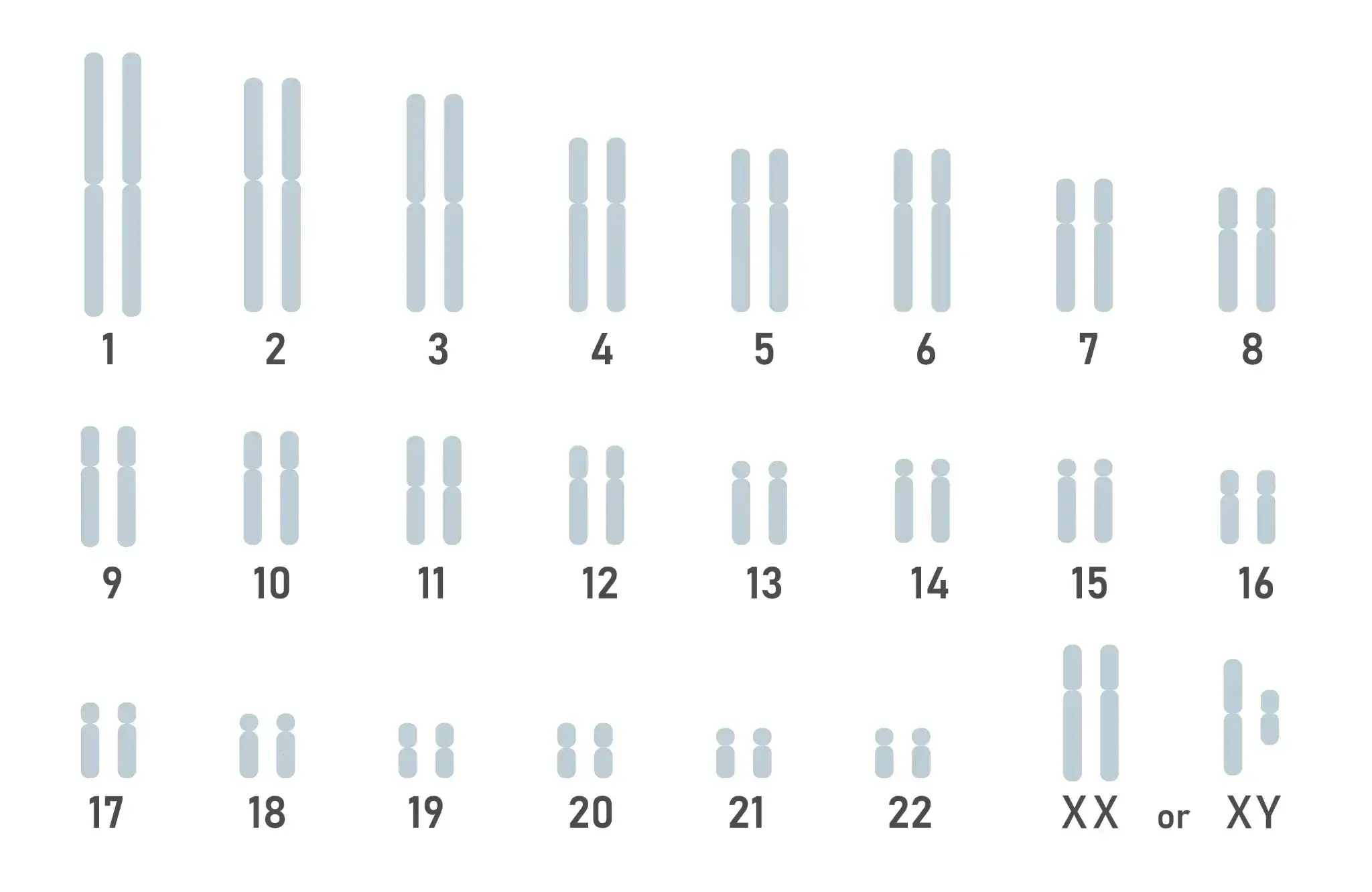
The DNA region investigated this time
Schematic diagram of DNA map present in cells
- ■
- ■
- ■
- ■
- ■
- ■
- ■
- ■
- ■
Related genes
| Related genes | KLHL1 |
|---|
Frequently asked questions (FAQ)
Q1. What is chronic disease of tonsils and adenoids?
Chronic tonsil and adenoid disease is a disease in which the lymphatic tissue at the back of the mouth (tonsils) and the lymphatic tissue at the top of the nasal cavity (adenoids) repeatedly become inflamed.It is particularly common in children and causes symptoms such as sore throat, stuffy nose, snoring, and sleep apnea.
Q2. What are the differences in the symptoms of chronic tonsil and adenoid diseases?
Chronic tonsillitis isSore throat, pharyngitis, bad breath, fever, swollen lymph nodesis the main symptom. adenoid chronic inflammationNasal congestion, snoring, sleep apnea, otitis media, chronic runny nose, nasal voiceis the main symptom.
Q3. What is the treatment for chronic diseases of tonsils and adenoids?
In mild casesAntibiotics, anti-inflammatory drugs, allergy treatmentWe will respond with If your symptoms are severe and interfere with your daily life,Tonsillectomy or adenoidectomywill be considered.
Q4. Can genetic testing determine the risk of chronic tonsil/adenoid disease?
By examining the genotype of the DNA region rs9542155,Understand disease risk trendsYou can. Research at the University of Helsinki has found that people with the T mutation genotype (TT type and TC type) tend to be at higher risk.
Q5. What are the effects of mouth breathing due to enlarged adenoids?
Enlarged adenoids make breathing through the nose difficult and mouth breathing becomes a habit. Mouth breathing isMalalignment of teeth, abnormal facial growth, poor quality of sleep, poor concentrationThis may have a negative impact on children's growth and development.
References
- Reference link 1: 2023 Jan., Elmo C Saarentaus, Nat Commun