
 childhood obesity
- Childhood obesity (childhood obesity) is a condition in which the BMI falls within the 95th percentile for people of the same age and gender.and are at risk for diabetes, high blood pressure, and cardiovascular disease.
- C-type mutation in DNA region rs476828A Cambridge University study finds that people with
- appropriateImproving diet, increasing exercise, and changing behaviorIt is possible to reduce and prevent the risk of developing the disease.
Overview Childhood obesity is a condition in which excess fat accumulates in a child's body, negatively impacting their health and well-being. Obesity in children is assessed using standard growth charts by comparing weight and height, and children are usually considered obese if their BMI is at or above the 95th percentile of their peers of the same age and gender. Obese children have a rounder body shape and store more fat, especially in the abdomen and hips, than their healthy-weight peers. This excess fat can lead to health problems such as diabetes, high blood pressure, and high cholesterol, which is a risk factor for cardiovascular disease. It also increases your risk of breathing difficulties, sleep apnea, and joint problems. Obesity has not only physical but also significant psychological effects, lowering self-esteem and increasing the risk of bullying. Additionally, getting tired easily during exercise can also become a problem, creating a vicious cycle. The causes of obesity are genetic, behavioral, and environmental, and are related to diet, lack of exercise, genetic factors, and socio-economic background. Care and prevention require a comprehensive approach, including improved diet, increased physical activity, behavioral changes, and medical care as needed. A study by Wheeler et al. at the University of Cambridge revealed that the risk of childhood obesity is associated with a DNA region called rs476828. There are three genotypes in this DNA region: TT, TC, and CC, and it was found that people with the C genotype tend to have a higher risk of childhood obesity.
What is childhood obesity?
Childhood obesity (childhood obesity) is a condition in which excess fat accumulates in a child's body, and is diagnosed if the BMI falls within the 95th percentile or higher for a child of the same age and gender.It has a negative impact on health and well-being and is a risk factor for conditions such as diabetes, high blood pressure, and cardiovascular disease.
Causes and risk factors of childhood obesity
Childhood obesity is caused by a complex of genetic, behavioral, and environmental factors. The main risk factors are:
- Genetic factors:People with type C mutation in DNA region rs476828 tend to be at higher risk
- Improper eating habits:Excessive intake of high-calorie, high-fat foods
- Lack of exercise:Decrease in physical activity and increase in screen time
- Socioeconomic background:Restricted access to healthy foods
Main symptoms and health risks of childhood obesity
Obese children compared to their healthy weight peersFat accumulates in the abdomen and hipswill be done. It can cause the following health problems:
- Metabolic abnormalities:diabetes, high blood pressure, high cholesterol
- Respiratory system:Dyspnea, sleep apnea syndrome
- Locomotor system:Joint problems, fatigue during exercise
- Psychological impact:Lower self-esteem, increased risk of bullying
Difference between childhood obesity and adult obesity
| Comparison items | childhood obesity | adult obesity |
|---|---|---|
| Diagnostic criteria | BMI 95th percentile or higher | BMI 30 or more |
| Main cause | Genetics + diet + lack of exercise | Lifestyle + Aging + Genetics |
| psychological impact | Significant bullying and low self-esteem | Focus on social prejudice and depression |
| complications | Effects on growth/early metabolic abnormalities | Cardiovascular disease/diabetes |
| treatment approach | Family unit behavioral change | Personal lifestyle improvement |
Prevention and countermeasures for childhood obesity
Care and prevention require a comprehensive approach.
- Meal improvement:A balanced diet consisting mainly of vegetables and fruits
- Increased exercise:60 minutes or more of moderate to vigorous physical activity per day
- Behavioral change:Screen time limit (within 2 hours per day)
- Medical intervention:Expert support when needed
The link between genes and childhood obesity
Relationship between DNA region rs476828 and onset risk
A study by Wheeler et al. from the University of Cambridge found that the DNA region rs476828 is associated with the risk of childhood obesity.
- There are three genotypes of rs476828: TT, TC, and CC.
- Genotype with type C mutationpeople tend to be at higher risk of childhood obesity
Genotype distribution in Japanese (rs476828)
| Genotype | Percentage of Japanese people | percentage of the world |
|---|---|---|
| TT type | 47.9% | 57.0% |
| TC type | 42.6% | 36.9% |
| CC type | 9.4% | 5.9% |
Rationale for testing
Superficial DNA region: childhood obesity
The gene region that most strongly influences childhood obesity is rs476828. The distribution of isomorphic genotypes in Japan is as follows.
- TT
47.9 % - TC
42.6 % - CC
9.4 %
Another gene region associated with childhood obesity is rs17782313. The distribution of isomorphic genotypes in Japan is as follows
- TT
54.1 % - TC
38.9 % - CC
6.9 %
Basis for inspection
A study by Wheeler et al. at the University of Cambridge revealed that the risk of childhood obesity is linked to genes. There is a region called rs476828 in the human genome, and there are two types of mutations, T and C, in the gene in this region. It was found that people with type C mutation tend to have a higher risk of childhood obesity.
The DNA region investigated this time
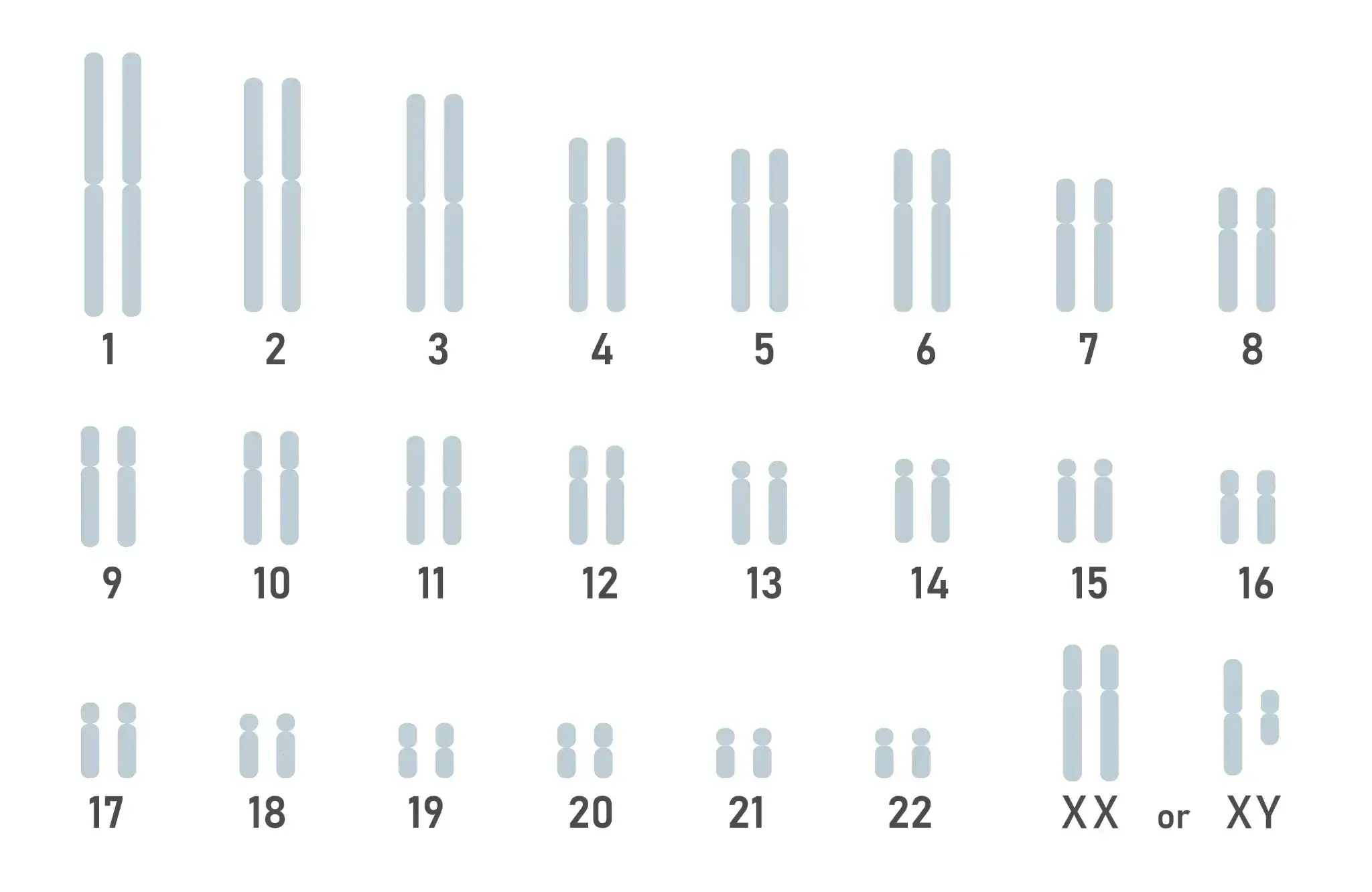
Schematic diagram of DNA map present in cells
- ■
- ■
- ■
- ■
- ■
- ■
- ■
- ■
- ■
Related genes
| Related genes | RNU4-17P |
|---|---|
| Related genes | RNU4-17P |
Frequently asked questions (FAQ)
Q1. What is childhood obesity?
Childhood obesity (childhood obesity) is a condition in which excess fat accumulates in a child's body.The diagnosis is made when the BMI falls within the 95th percentile or higher for people of the same age and gender. It carries a risk of diabetes, high blood pressure, and cardiovascular disease.
Q2. What is the cause of childhood obesity?
The main cause isGenetic factors, inappropriate diet, lack of exercise, socio-economic backgroundThere are four. People with type C mutation in the DNA region rs476828 tend to be at higher risk.
Q3. How can childhood obesity be prevented?
Improved diet (balanced diet), increased exercise (more than 60 minutes of physical activity per day), behavioral changes (limited screen time), medical intervention is effective if necessary.
Q4. Can genetic testing determine the risk of childhood obesity?
By examining the genotype of DNA regions rs476828 and rs17782313,Understand the risk trends of childhood obesityYou can. Research from the University of Cambridge has found that people with the genotype C tend to be at higher risk.
References
- Reference link 1: 2013 May., Eleanor Wheeler, Nat Genet
- Reference link 2: 2008 Jun., Ruth J F Loos, Nat Genet