
 cheese preference

- Cheese preferences are determined by five factors: taste, diet, culture, environment, and genetics.formed through the multiple involvement of
- T-type mutation in DNA region rs549814A study by the MIT/Harvard Broad Institute found that people with
- Japanese rs549814 genotype distribution isCC type 30.0%, CT type 49.5%, TT type 20.4%TT type is slightly higher than the world average.
Overview Cheese preferences are determined by a complex set of personal taste, dietary, cultural, genetic, and environmental factors. The flavor and texture of cheese varies depending on the type, production method, and degree of ripening, which can have a big impact on your preferences. For example, some people prefer creamy, mild cheeses, while others prefer strong blue mold flavors or hard cheeses. Dietary habits are also important, and people who have eaten a lot of cheese since childhood are accustomed to a variety of cheeses and have a broader range of tastes. On the other hand, people who grew up in an environment where they didn't eat much cheese may have a limited taste for cheese. Cultural backgrounds also have a large influence, and in countries such as France and Italy where cheese is eaten on a daily basis, a variety of cheese flavors are preferred. Environmental and social factors also play a role, and the preferences of your family and friends can influence your own. Genetic factors are also involved, with certain genes determining sensitivity to cheese ingredients. Lactose intolerance and differences in taste receptors affect preferences. Cheese preferences are formed by a complex interplay of these factors, which can vary greatly from person to person and can change over time. Research by Joanne B Cole and colleagues at the MIT/Harvard Broad Institute has revealed that cheese preference is associated with a DNA region called rs549814. There are three genotypes in this DNA region: CC, CT, and TT, and it was found that people with the T-type mutation were more likely to prefer cheese.
What is your cheese preference?
Cheese preference refers to an individual's tendency to like cheese or not, and is determined by the complex involvement of five factors: taste, diet, culture, environment, and genetics.Research by the MIT/Harvard Broad Institute has revealed that the DNA region rs549814 is associated with cheese preference.
5 factors that determine your cheese preference
Cheese preferences are not formed by a single factor, but by the interaction of the following five factors:
- Taste:The flavor and texture of cheese varies depending on the type, manufacturing method, and degree of ripeness, and directly affects taste.
- Diet:People who have eaten cheese since childhood tend to prefer a wider variety of cheese.
- Culture:In countries such as France and Italy where cheese is a daily food, a variety of flavors are preferred.
- Environment:The tastes of family and friends influence your own tastes
- Genetics:Specific genes determine sensitivity to cheese components
Cheese types and preferences
| types of cheese | Features | tendency to like |
|---|---|---|
| creamy type | Mellow and soft texture | Easy to like by beginners |
| blue mold type | unique strong flavor | Easily preferred by experienced people |
| Hard system | Flavor concentrated through long-term aging | For aged cheese lovers |
Influence of genetic factors
As a genetic factor,lactose intoleranceYaDifferences in taste receptorsinfluences cheese preferences. The amount of enzyme produced that breaks down lactose is determined genetically, and people with lactose intolerance will need to consume different amounts of cheese depending on the type of cheese they eat.
The relationship between genes and cheese preference
Relationship between DNA region rs549814 and preference
Research by Joanne B Cole and colleagues at the MIT/Harvard Broad Institute revealed that cheese preference is associated with the DNA region rs549814.
- rs549814 has CC/CT/TT3 genotypesexists
- T-type mutationpeople with a higher tendency to like cheese
Genotype distribution in Japanese (rs549814)
| Genotype | Percentage of Japanese people | percentage of the world |
|---|---|---|
| CC type | 30.0% | 36.8% |
| CT type | 49.5% | 47.6% |
| TT type | 20.4% | 15.4% |
The proportion of Japanese people with the TT type mutation is 20.4%, which is 5.0 points higher than the world average (15.4%), and the proportion of people with the T type mutation tends to be high.
Rationale for testing
External DNA region: Cheese preference
The gene region that most strongly influences cheese preference is rs549814. The distribution of isomorphic genotypes in Japan is as follows.
- CC
30.0 % - CT
49.5 % - TT
20.4 %
Basis for inspection
Research by Joanne B Cole and colleagues at the MIT/Harvard Broad Institute has revealed that cheese preference is linked to genes. There is a region called rs549814 in the human genome, and the gene in that region has two types of mutations, C and T. It was found that people with the T mutation were more likely to like cheese.
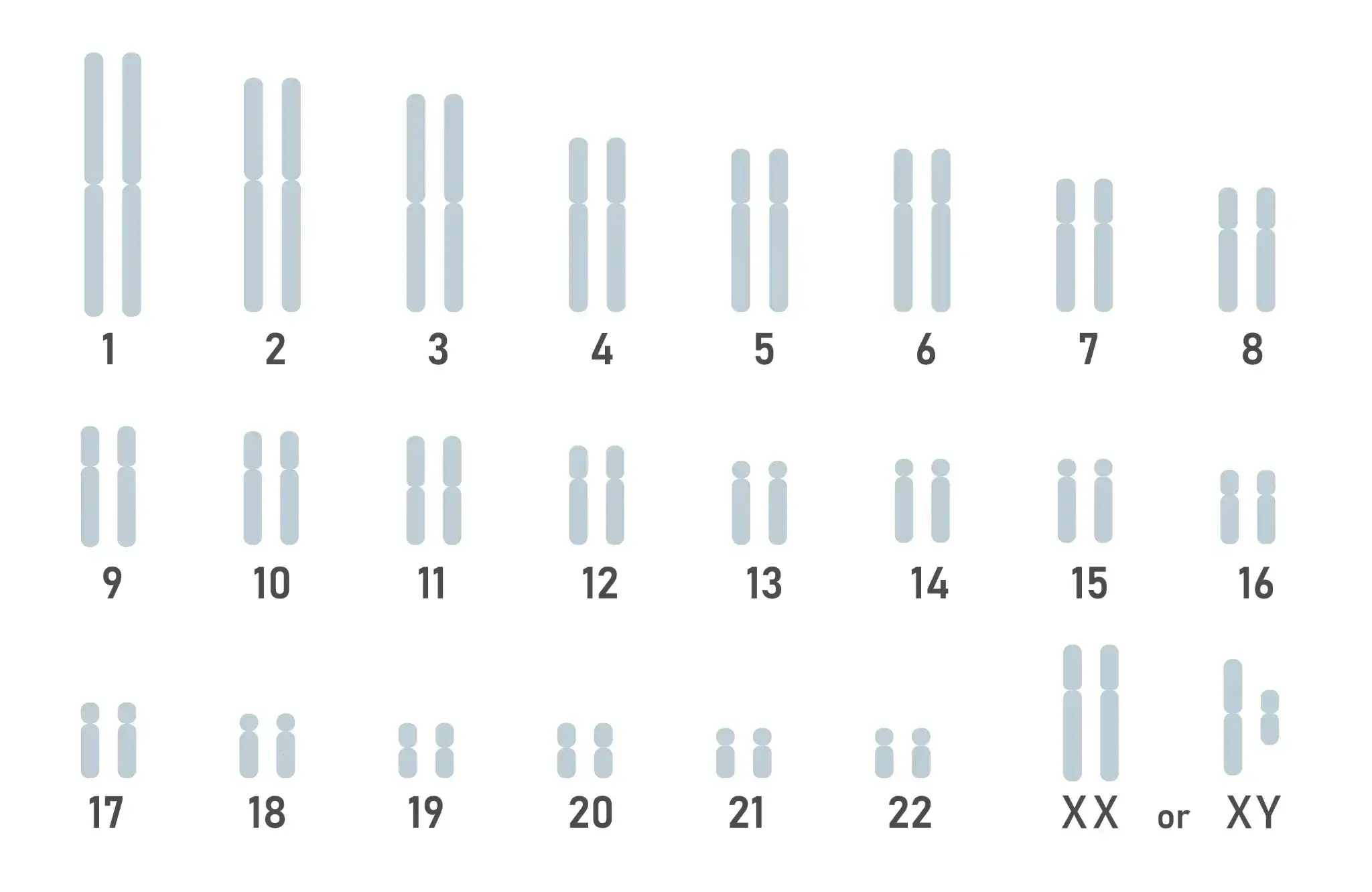
The DNA region investigated this time
Schematic diagram of DNA map present in cells
- ■
- ■
- ■
- ■
- ■
- ■
- ■
- ■
- ■
Related genes
| Related genes | LINC01833 |
|---|
Frequently asked questions (FAQ)
Q1. What is your cheese preference?
Cheese preference refers to an individual's tendency to like or not like cheese.Five factors are involved in this preference: taste, diet, culture, environment, and genetics, and research has shown that people with the T mutation in the rs549814 DNA region are particularly likely to prefer cheese.
Q2. How are genes related to cheese preference?
According to research by Joanne B Cole and colleagues at the MIT/Harvard Broad Institute,DNA region rs549814 is associated with cheese preferencehas become clear. There are three genotypes of rs549814: CC, CT, and TT, and it is known that people with the T mutation are more likely to prefer cheese.
Q3. What is the proportion of Japanese people with genotypes related to cheese preference?
The genotype distribution of rs549814 in Japanese people isCC type 30.0%, CT type 49.5%, TT type 20.4%It is. Compared to the world average (CC type 36.8%, CT type 47.6%, TT type 15.4%), the percentage of TT type tends to be higher.
Q4. Does your preference for cheese change over time?
Cheese preference is not only due to genetic factors.Dietary habits, cultural background, and environmental factorsIt also changes depending on. People who have been eating cheese since childhood tend to like a wider variety of cheeses, and their preferences may change over time.
References
- Reference link 1: 2020 Mar., Joanne B Cole, Nat Commun