
 heart and blood vessel health

- Heart and vascular health is closely related to ω3 (DPA)/ω6 (DPA n6) fatty acid balanceThis imbalance increases the risk of arteriosclerosis, high blood pressure, and stroke.
- T-type mutation in DNA region rs76065946People withType AA prevalence among Japanese people is 92.4%(World average 82.2%)
- The related genes areDIAPH3andFADS2Therefore, optimizing the ω3/ω6 balance through diet is important for maintaining cardiovascular health.
Overview The balance of ω3 (docosapentaenoic acid or DPA) and ω6 (docosapentaenoic acid n6, DPA n6) fatty acids is closely related to cardiovascular health. Omega-3 and omega-6 fatty acids are essential nutrients that play important roles in biological processes and must be obtained from the diet to maintain good health. The balance of these fatty acids is important for maintaining the structure of cell membranes, influencing cell signaling, and regulating inflammation in the body. Omega-3 fatty acids, especially DPA, have many benefits for cardiovascular health. Reduces risk of heart disease by reducing inflammation, lowering blood pressure, lowering triglyceride levels, and improving arterial health. On the other hand, omega-6 fatty acids are also essential, but when consumed in excess relative to omega-3, they can promote inflammation and increase the risk of cardiovascular disease. Therefore, the ω3(DPA)/ω6(DPA n6) ratio is an important indicator of cardiovascular health. A low ratio indicates a low intake of omega-3 relative to omega-6, increasing the risk of inflammatory tendencies and cardiovascular disease. This includes the risk of arteriosclerosis, high blood pressure, and stroke. Conversely, a high ω3 (DPA) ratio has a positive impact on heart health. Therefore, it is important to maintain an optimal balance of these fatty acids through your diet. A study by Mychaleckyj and colleagues at the University of Virginia revealed that heart and blood vessel health is associated with a DNA region called rs76065946. There are three genotypes in this DNA region: AA, AT, and TT, and it was found that people with the T genotype tend to have higher risks for heart and blood vessel health.
What is heart and blood vessel health?
Heart and vascular health refers to the healthy state of the cardiovascular system based on the balance of omega-3 fatty acids (docosapentaenoic acid: DPA) and omega-6 fatty acids (DPA n6).Omega-3 and omega-6 fatty acids are essential nutrients that are essential for maintaining cell membrane structure, cell signaling, and regulating inflammation in the body.
Differences in the cardiovascular effects of ω3 and ω6 fatty acids
Omega-3 and omega-6 fatty acids have different effects on the cardiovascular system.
| Comparison items | Omega-3 fatty acids (DPAs) | Omega 6 fatty acids (DPA n6) |
|---|---|---|
| Effect on inflammation | suppresses inflammation | Excessive consumption promotes inflammation |
| blood pressure | lower blood pressure | Limited impact |
| triglycerides | reduce level | Limited impact |
| arterial health | There is an improvement effect | Risk of worsening with excessive intake |
| heart disease risk | Effective in reducing | Increased risk with overdose |
Effect of ω3/ω6 ratio on cardiovascular
The ω3 (DPA)/ω6 (DPA n6) ratio is an important indicator of cardiovascular health.If this ratio is low, it indicates that the intake of ω3 relative to ω6 is insufficient, increasing the risk of:
- Arteriosclerosis:Plaque builds up on blood vessel walls and obstructs blood flow
- High blood pressure:Blood pressure increases due to decreased flexibility of blood vessels
- Stroke:Increased risk of occlusion and rupture of cerebral blood vessels
- Pro-inflammatory:Chronic inflammatory conditions stress the cardiovascular system
A high ratio of ω3 (DPA) has a positive impact on heart health. It is important to maintain an optimal balance of these fatty acids through your diet.
The relationship between genes and heart and blood vessel health
Relationship between DNA region rs76065946 and cardiovascular risk
A study by Mychaleckyj et al. (1) from the University of Virginia found that the DNA region rs76065946 is associated with heart and blood vessel health.
- There are three genotypes of rs76065946: AA, AT, and TT.
- Genotype with T-type mutationof people tend to be at higher risk for heart and blood vessel health
- The related genes areDIAPH3(Diaphanous Related Formin 3)
DNA region rs174570 and cardiovascular health
In addition to rs76065946,DNA region rs174570 also linked to heart and blood vessel healthI am doing it(2).
- There are three genotypes of rs174570: CC, CT, and TT.
- The related genes areFADS2(Fatty Acid Desaturase 2)
Genotype distribution in Japanese (rs76065946)
There are differences in genotype distribution between Japanese and the rest of the world.
| Genotype | Percentage of Japanese people | percentage of the world | difference |
|---|---|---|---|
| AA type | 92.4% | 82.2% | +10.2 points |
| AT type | 7.3% | 16.8% | -9.5 points |
| TT type | 0.1% | 0.8% | −0.7 points |
Genotype distribution in Japanese (rs174570)
| Genotype | Percentage of Japanese people | percentage of the world | difference |
|---|---|---|---|
| CC type | 44.6% | 75.0% | -30.4 points |
| CT type | 44.3% | 23.1% | +21.2 points |
| TT type | 11.0% | 1.7% | +9.3 points |
Rationale for testing
Superficial DNA regions: heart and vascular health
The gene region that most strongly influences heart and blood vessel health is rs76065946. The distribution of isomorphic genotypes in Japan is as follows.
- AA
92.4 % - AT
7.3 % - TT
0.1 %
Another gene region involved in heart and blood vessel health is rs174570. The distribution of isomorphic genotypes in Japan is as follows
- CC
44.6 % - CT
44.3 % - TT
11.0 %
Basis for inspection
A study by Mychaleckyj et al. (1) from the University of Virginia revealed that heart and blood vessel health is linked to genes.There is a region called rs76065946 in the human genome, and there are two types of mutations, A and T, in the gene in that region. It turns out that people with the T mutation tend to have higher risks for heart and blood vessel health.
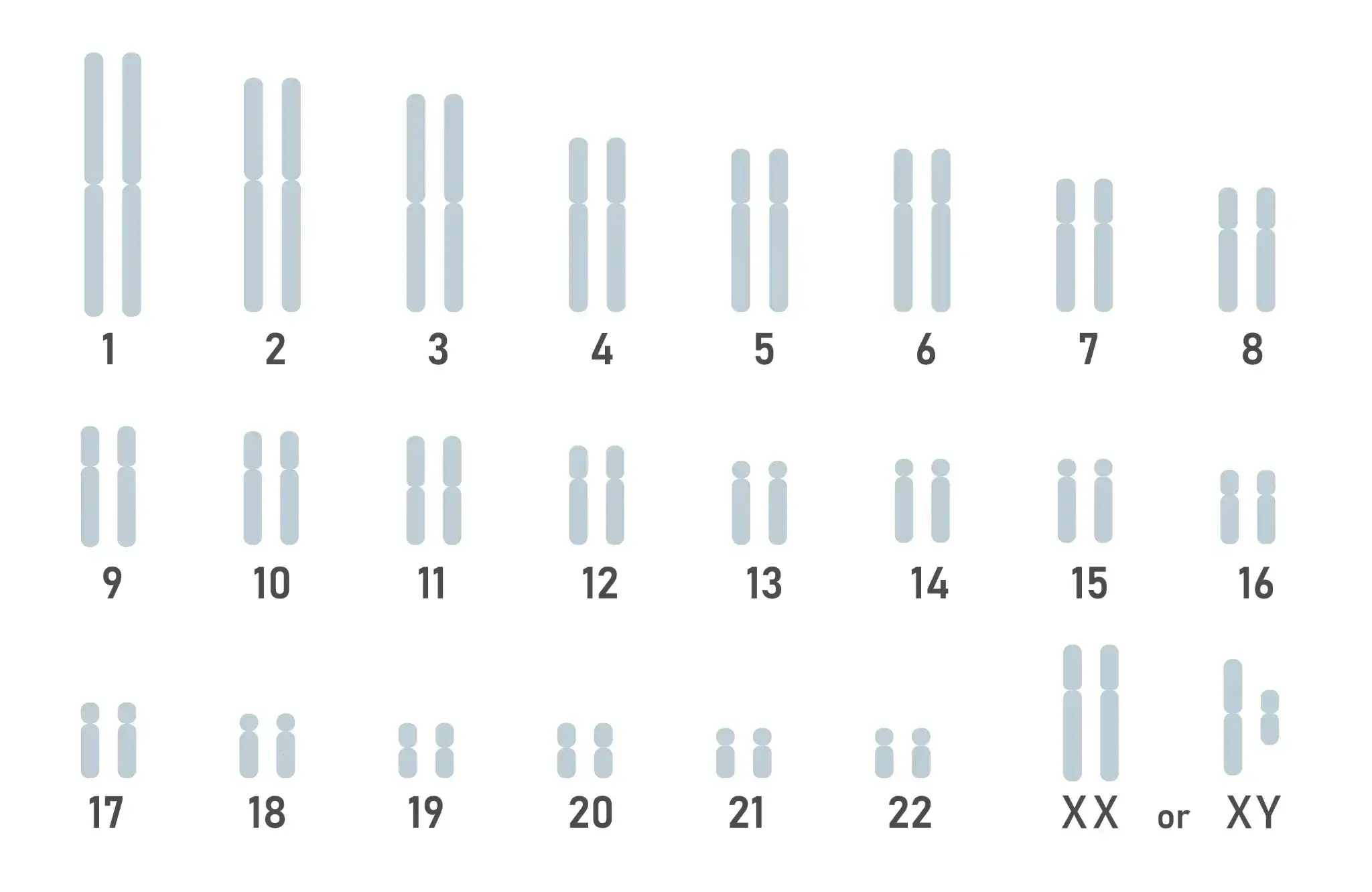
The DNA region investigated this time
Schematic diagram of DNA map present in cells
- ■
- ■
- ■
- ■
- ■
- ■
- ■
- ■
- ■
Related genes
| Related genes | DIAPH3 |
|---|---|
| Related genes | FADS2 |
Frequently asked questions (FAQ)
Q1. What is heart and blood vessel health?
Heart and vascular health refers to the healthy state of the cardiovascular system based on the balance of omega-3 fatty acids (DPA) and omega-6 fatty acids (DPA n6).Omega-3 fatty acids contribute to suppressing inflammation, lowering blood pressure, and reducing triglycerides, while excessive intake of omega-6 fatty acids promotes inflammation and increases the risk of cardiovascular disease (1).
Q2. What genes are associated with heart and blood vessel health?
According to research by Mychaleckyj et al. at the University of Virginia,DNA region rs76065946 linked to heart and blood vessel healthIt turns out that it is. People with the T mutation tend to have increased cardiovascular risk, and the genes involved are DIAPH3 and FADS2 (1)(2).
Q3. Why is the ω3/ω6 ratio important for cardiovascular health?
The ω3 (DPA)/ω6 (DPA n6) ratio is an important indicator of cardiovascular health.If this ratio is low, the intake of ω3 will be insufficient compared to ω6, increasing the risk of arteriosclerosis, high blood pressure, and stroke. Keeping your omega-3 ratio high is beneficial for heart health.
Q4. What are the characteristics of cardiovascular-related genotypes in Japanese people?
The Japanese rs76065946 genotype distribution isAA type 92.4%, AT type 7.3%, TT type 0.1%It is. The percentage of AA type is 10.2 points higher than the world average (AA type 82.2%), and it is characterized by a low prevalence of type T mutation (1).
Q5. Can cardiovascular risk be determined through genetic testing?
By examining the genotype of DNA regions rs76065946 and rs174570,Understand trends in heart and vascular health risksYou can. Studies have shown that people with the T mutation genotype tend to be at increased risk (1)(2).
References
- Reference link 1: 2018 Jul., Josyf C Mychaleckyj, J Med Genet
- Reference link 2: 2020 Nov., Elena V Feofanova, Am J Hum Genet