
 Cancer growth/metastasis rate

- Endostatin inhibits angiogenesis and suppresses tumor growth and metastasisis an endogenous protein
- Type A mutation in DNA region rs12482088Research reveals that people with cancer tend to have a higher rate of cancer growth and metastasis
- JapaneseApproximately 74.8% are type AA, showing a high percentage compared to the world average (58.4%)
Overview Endostatin is a substance that inhibits angiogenesis that occurs in the body, and is a C-terminal fragment of type XVIII collagen. It was first discovered in vascular tumors in mice, but it was later discovered that it also exists in humans. Endostatin inhibits new blood vessel formation in tumors to suppress tumor growth and metastasis. There are now many studies showing that endostatin affects tumor metastasis. 1. In animal models, endostatin has been shown to suppress the growth and metastasis of many tumors, including Lewis lung cancer, breast cancer, and colorectal cancer. 2. Endostatin inhibits vascular endothelial cell proliferation and lumen formation, preventing the formation of new blood vessels in tumors. This prevents tumor cells from receiving nutrients and inhibits their growth. 3. Endostatin inhibits matrix metalloproteinase activity and suppresses tumor cell invasion and metastasis. 4. Several clinical studies have shown that blood levels of endostatin are associated with tumor stage, metastasis, and prognosis. Patients with high concentrations of endostatin have been observed to have slower tumor progression and longer overall survival. 5. Recombinant human endostatin (Endostar) is used to treat many solid tumors, including non-small cell lung cancer, and is effective in prolonging survival. 6. Endostatin can further inhibit tumor growth and metastasis when combined with chemotherapy and radiation therapy. Overall, many studies have shown that endostatin can suppress tumor growth and metastasis, but its specific mechanism of action requires further research. Research by Sun et al. at the University of Cambridge revealed that cancer growth and metastasis rates are associated with a DNA region called rs12482088. There are three genotypes in this DNA region: AA, AC, and CC, and it has been found that people with the A genotype tend to have a higher rate of cancer growth and metastasis.
What is cancer growth/metastasis rate?
Cancer growth and metastasis rate is an index that shows the speed at which malignant tumors that occur in the body grow and spread to other organs.This speed is related to the protein endostatin and the genotype of the DNA region rs12482088.
What is endostatin? Its role in cancer suppression
Endostatin is a C-terminal fragment of type XVIII collagen, an endogenous protein that inhibits angiogenesis in the body.It was first discovered in mouse vascular tumors, and later confirmed to exist in humans.
Endostatin suppresses cancer growth and metastasis through the following mechanism.
- Inhibition of angiogenesis:Inhibits vascular endothelial cell proliferation and tube formation, cutting off nutritional supply to tumors
- Inhibition of MMP activity:Inhibits matrix metalloprotease activity and prevents tumor cell invasion and metastasis
- Inhibition of tumor growth:Suppresses tumor growth and metastasis of Lewis lung cancer, breast cancer, colorectal cancer, etc. (animal model)
Clinical evidence for endostatin
The antitumor effects of endostatin have been confirmed in multiple clinical studies.
| evidence | Content |
|---|---|
| Blood concentration and prognosis | Patients with high levels of endostatin have slower tumor progression and longer overall survival |
| Endostar (recombinant human endostatin) | Used to treat solid tumors such as non-small cell lung cancer and has the effect of prolonging survival |
| combination therapy | Further suppresses tumor growth and metastasis when used in combination with chemotherapy and radiotherapy |
Factors that affect cancer growth and metastasis rates
Cancer growth and metastasis rates are affected by the following factors:
- Endostatin blood concentration:High concentrations inhibit tumor growth
- Genetic predisposition:Genotype of DNA region rs12482088 is associated with risk
- Tumor type:The degree of dependence on angiogenesis differs depending on the tissue type of cancer.
- Balance of angiogenic factors:Balance of promoting and inhibiting factors influences metastasis rate
Relationship between genes and cancer growth and metastasis rates
Relationship between DNA region rs12482088 and metastatic risk
A study by Sun et al. at the University of Cambridge (2018) revealed that the DNA region rs12482088 is associated with cancer growth and metastasis rates.
- There are three genotypes of rs12482088: AA, AC, and CC.
- Genotype with type A mutation(AA type/AC type) people tend to have a higher rate of cancer growth and metastasis.
- This gene region is related to the COL18A1 gene (type XVIII collagen = precursor of endostatin)
Genotype distribution in Japanese (rs12482088)
| Genotype | Percentage of Japanese people | percentage of the world |
|---|---|---|
| AA type | 74.8% | 58.4% |
| AC type | 23.2% | 36.0% |
| CC type | 1.8% | 5.5% |
The prevalence of Type AA (74.8%) in the Japanese population is 16.4 points higher than the world average (58.4%), and the population is characterized by a genetic tendency toward a high rate of cancer growth and metastasis.
Rationale for testing
Surface DNA region: cancer growth and metastasis rate
The gene region that most strongly influences the growth and metastasis rate of cancer is rs12482088. The distribution of isomorphic genotypes in Japan is as follows.
- AA
74.8 % - AC
23.2 % - CC
1.8 %
Basis for inspection
Research by Sun et al. at the University of Cambridge revealed that cancer growth and metastasis rates are related to genes. There is a region called rs12482088 in the human genome, and there are two types of mutations, A and C, in the gene in this region. It has been found that people with type A mutations tend to have a higher rate of cancer growth and metastasis.
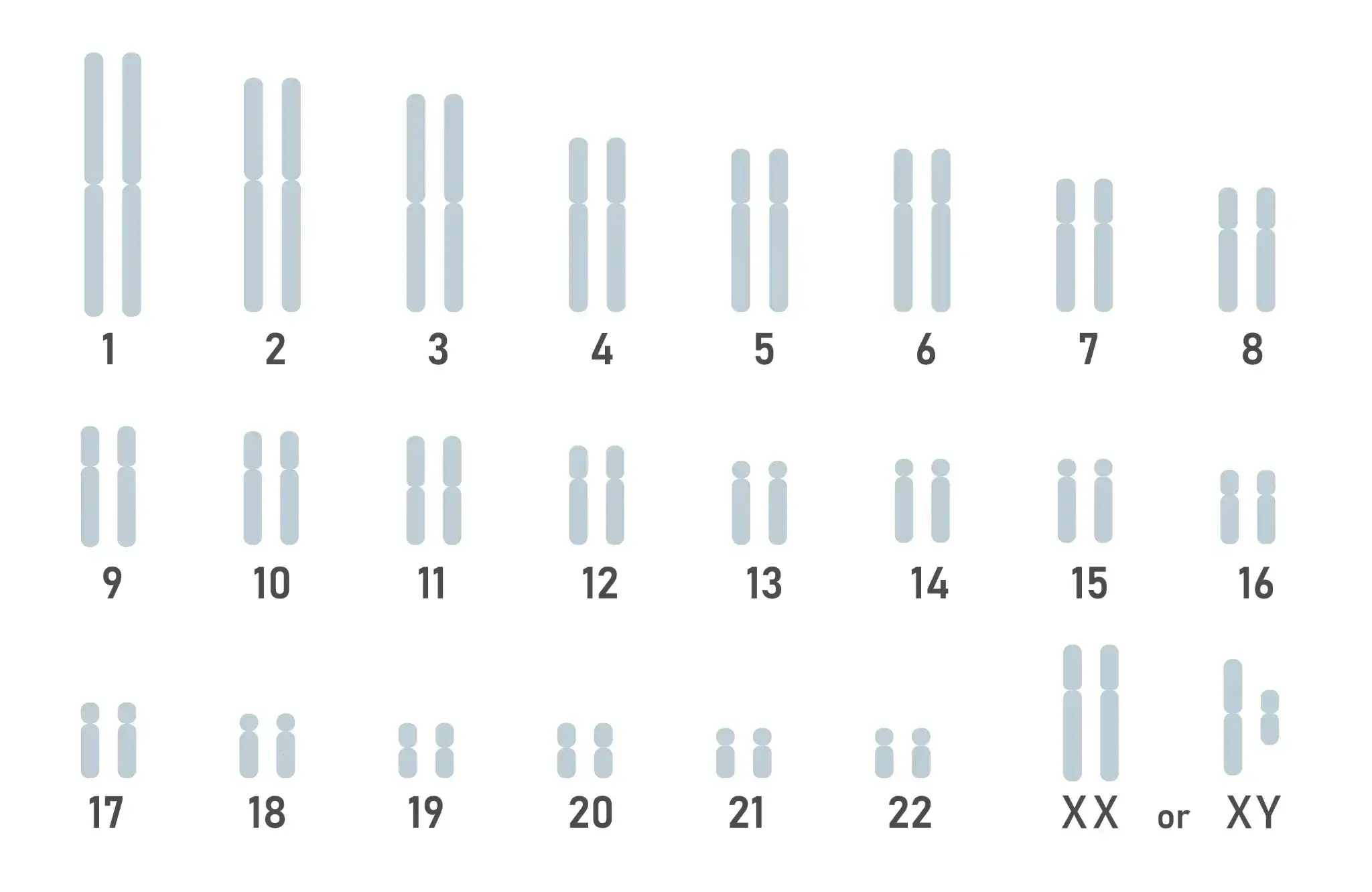
The DNA region investigated this time
Schematic diagram of DNA map present in cells
- ■
- ■
- ■
- ■
- ■
- ■
- ■
- ■
- ■
Related genes
| Related genes | COL18A1 |
|---|
Frequently asked questions (FAQ)
Q1. What is the cancer growth/metastasis rate?
Cancer growth and metastasis rate is an index that indicates the speed at which malignant tumors that occur in the body grow and metastasize to other organs.The risk varies depending on the blood concentration of endostatin and the genotype of the DNA region rs12482088.
Q2. How does endostatin suppress cancer metastasis?
Endostatin isInhibits angiogenesisIt inhibits cancer growth by cutting off the nutritional supply to the tumor. Also,Inhibits matrix metalloprotease activityand prevent tumor cell invasion and metastasis.
Q3. Can a genetic test determine the risk of cancer metastasis?
By examining the genotype of the DNA region rs12482088,Understand trends in cancer growth and metastasis ratesYou can. A University of Cambridge study has reported that people with the type A mutation (AA type/AC type) tend to be at higher risk.
Q4. What happens if the blood concentration of endostatin is high?
According to clinical research,Patients with high blood levels of endostatin have slower tumor progression and longer overall survivalIt has been observed that Endostatin has the effect of inhibiting tumor angiogenesis and suppressing cancer growth.
References
- Reference link 1: 2018 Jun., Benjamin B Sun, Nature