
 Caffeine preference

- Caffeine preference is associated with type A mutation in DNA region rs2667773It is influenced by four factors: genes, taste, culture, and metabolic rate.
- The prevalence of type AA among Japanese people is 30.5%., 14.9 points lower than the global average of 45.4%.
- The related genes areHMG20ATherefore, differences in caffeine metabolic rate directly affect intake and palatability.
Overview Caffeine preference is a complex preference shaped by many factors, including personal experience, genetics, culture, and health status. Caffeine, found in coffee, tea, energy drinks, and chocolate, can stimulate the central nervous system and temporarily increase alertness, alertness, and cognitive performance, but preferences vary from person to person. Differences in our senses of taste and smell influence our preferences for the bitterness or sourness of coffee, the flavor of black tea, and the stimulation of energy drinks. Drinking habits from childhood and the purpose of use for work or study also influence preferences. Cultural context is also important; in regions with a strong coffee culture, caffeine consumption is common, while in cultures with a low intake, other beverages are preferred. Genetic factors also play a role, and everyone metabolizes caffeine at different rates and sensitivities. People who metabolize caffeine quickly can consume large amounts, while people who metabolize caffeine over time may feel strong effects even with small amounts. A study by Said et al. at the University of Groningen revealed that caffeine preference is associated with a DNA region called rs2667773. There are three genotypes in this DNA region: AA, AG, and GG, and it was found that people with type A mutations tend to prefer caffeine.
What is caffeine preference?
Caffeine preference is a preference for caffeine contained in coffee, tea, energy drinks, chocolate, etc.Caffeine stimulates the central nervous system and temporarily increases alertness, alertness, and cognitive ability. This preference varies from person to person, and genes are deeply involved.
Four factors that influence caffeine preference
Caffeine preference is determined by four factors:
- Genetic factors:The metabolic rate and sensitivity to caffeine differs between individuals depending on their genes.
- Differences in taste and smell:People have different perceptions of the bitterness and sourness of coffee, the flavor of tea, and the stimulation of energy drinks.
- Cultural background:In areas with a thriving coffee culture, caffeine intake is commonplace.
- Lifestyle:Drinking habits from childhood and purpose of use for work/study influence preferences
Relationship between caffeine metabolic rate and palatability
The rate of caffeine metabolism directly affects palatability.People with fast metabolism tend to consume caffeine more frequently because its effects wear off quickly.
| Comparison items | people with fast metabolism | people with slow metabolism |
|---|---|---|
| intake | Can be taken in large quantities | A small amount is enough |
| Awakening effect | Effect decreases in a short time | long lasting |
| Taste trends | prone to caffeine | Effects are easily felt in small amounts |
| Side effect risk | Low (quickly decomposes) | High (easily accumulates in the body) |
Differences in the characteristics of people with high and low caffeine preference
Caffeine preference varies depending on genotype.The table below compares the differences in characteristics depending on the presence or absence of the type A mutation.
| Comparison items | People with high preference (carrying type A mutation) | People with low preference (G type only) |
|---|---|---|
| Genotype | AA type/AG type | GG type |
| Japanese percentage | 79.9%(AA 30.5%+AG 49.4%) | 19.9% |
| Caffeine intake trends | Consuming coffee and tea on a daily basis | Tendency to avoid caffeine |
| Response to arousal effects | easy to feel positive | Easy to feel uncomfortable |
Relationship between genes and caffeine preference
Relationship between DNA region rs2667773 and caffeine preference
A study by Said et al. at the University of Groningen (1) revealed that the DNA region rs2667773 is associated with caffeine preference.
- There are three genotypes of rs2667773: AA, AG, and GG.
- Genotype with type A mutationpeople tend to like caffeine
- The related genes areHMG20A(High Mobility Group 20A)
Genotype distribution in Japanese (rs2667773)
There are differences in genotype distribution between Japanese and the rest of the world.
| Genotype | Percentage of Japanese people | percentage of the world | difference |
|---|---|---|---|
| AA type | 30.5% | 45.4% | −14.9 points |
| AG type | 49.4% | 43.9% | +5.5 points |
| GG type | 19.9% | 10.6% | +9.3 points |
The percentage of Japanese people with type AA (high caffeine preference) is 14.9 points lower than the world average, and the percentage of type GG is 9.3 points higher than the world average.It is characterized by this. This difference in genotype distribution may contribute to differences in caffeine consumption patterns between Japanese and other countries.
Rationale for testing
External DNA region: Caffeine preference
The gene region that most strongly influences caffeine preference is rs2667773. The distribution of isomorphic genotypes in Japan is as follows.
- AA
30.5 % - AG
49.4 % - GG
19.9 %
Basis for inspection
A study by Said et al. at the University of Groningen (1) revealed that caffeine preference is related to genes.There is a region called rs2667773 in the human genome, and there are two types of mutations, A and G, in the gene in this region. It was found that people with type A mutation tend to have a higher preference for caffeine.
The DNA region investigated this time
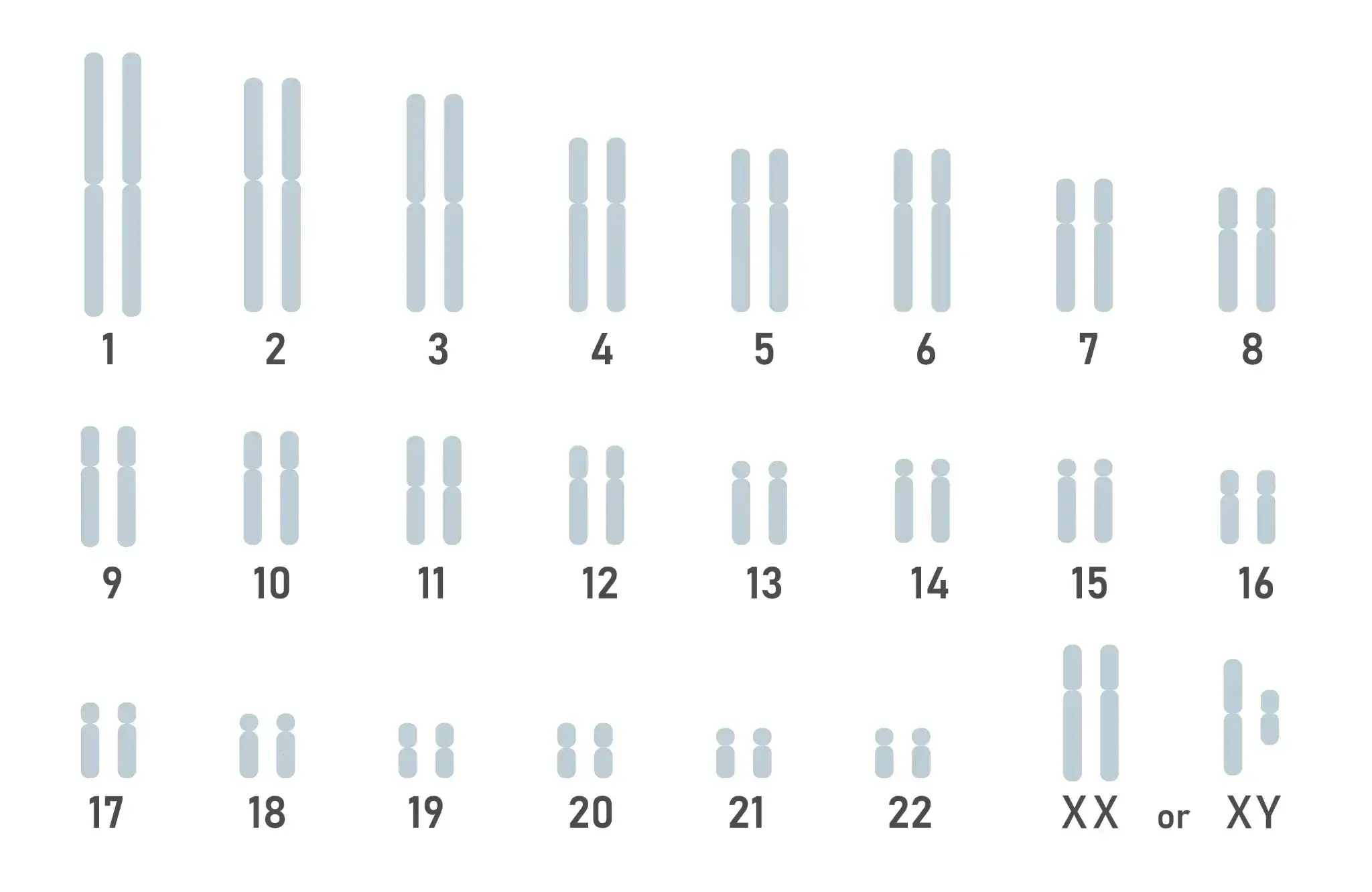
Schematic diagram of DNA map present in cells
- ■
- ■
- ■
- ■
- ■
- ■
- ■
- ■
- ■
Related genes
| Related genes | HMG20A |
|---|
Frequently asked questions (FAQ)
Q1. What is caffeine preference?
Caffeine preference is a preference for caffeine contained in coffee, tea, energy drinks, etc.Individual differences occur due to the combined influence of four factors: genetic factors, differences in taste and smell, cultural background, and metabolic rate (1).
Q2. What genes are associated with caffeine preference?
According to a study by Said et al. from the University of Groningen,DNA region rs2667773 is associated with caffeine preferenceIt turns out that it is. People with the type A mutation tend to prefer caffeine, and the associated gene is HMG20A (1).
Q3. What is the relationship between caffeine metabolic rate and palatability?
The metabolic rate of caffeine varies from person to person depending on their genes.People with fast metabolism tend to be able to ingest large amounts of caffeine and have a higher preference for it.People with slow metabolism can feel a strong stimulant effect even with a small amount, so their intake can be reduced.
Q4. Can caffeine preference be determined through genetic testing?
By examining the genotype of the DNA region rs2667773,Understand trends in caffeine preferenceYou can. Studies have shown that people with blood type AA (30.5% of Japanese people) tend to prefer caffeine (1).
Q5. What are the characteristics of the genotype distribution of caffeine preference in Japanese people?
The Japanese rs2667773 genotype distribution isAA type 30.5%, AG type 49.4%, GG type 19.9%It is. Compared to the world average (AA type 45.4%), the proportion of AA type is 14.9 points lower and the GG type is 9.3 points higher (1).
References
- Reference link 1: 2020 Dec., M Abdullah Said, J Am Heart Assoc