
 bread preferences

- Bread preference is associated with type C mutation in DNA region rs182549It is influenced by four factors: genes, taste, culture, and health goals.
- The prevalence of type CC among Japanese people is 99.9%., which is 76.7 points higher than the global average of 23.2%.
- The related genes areMCM6, and a relationship with lactose degrading ability has also been suggested.
Overview Bread preferences are not just based on type selection, but are also influenced by personal preferences and limitations, cultural influences, and health. Some people may start by trying a wide range of bread types and develop a preference for certain types through time and experience. Preferences are influenced by bread's texture, flavor, aroma, and combination with other foods. For example, if a person feels that a particular bread enriches their dining experience, they will prefer that bread. You may also choose bread based on your nutritional and health goals. Cultural background is also important, with many cultures having deep roots in certain breads. Therefore, preferences may be shaped by cultural environment and family customs. In addition, dietary restrictions or health reasons may limit bread ranges. In summary, bread preferences are a complex interaction between personal experience, health goals, and cultural background, leading to individual preferences. A study by Cole et al. from the Broad Institute of Massachusetts Institute of Technology and Harvard University revealed that bread preference is associated with a DNA region called rs182549. There are three genotypes in this DNA region: CC, CT, and TT, and it was found that people with the C genotype tend to prefer certain types of bread.
What is bread preference?
Bread preferences are preferences for various types of bread, such as white bread, baguettes, rye bread, and whole wheat bread.Bread preferences are not just a matter of choosing the type of bread; genes are deeply involved.
4 factors that influence bread preferences
Bread preference is determined by four factors:
- Genetic factors:Sensitivity to ingredients contained in bread (gluten, lactose, etc.) varies from person to person depending on genetics.
- Differences in taste and smell:The perception of texture, flavor, and aroma differs from person to person.
- Cultural background:Certain breads are deeply rooted in local food culture and family customs.
- Health purpose:Select bread according to nutritional balance, allergies, and dietary restrictions
The process of forming bread preferences
Bread preferences are formed by the interaction of childhood experiences and genetic predisposition.By experimenting with a wide range of bread types, you will develop a preference for certain types over time.
| Comparison items | People with strong genetic factors | People with strong environmental factors |
|---|---|---|
| desired stability | Consistent tastes from childhood | Fluctuations due to environmental changes |
| influencing factors | Taste receptors/metabolic ability | Food culture/household customs |
| Bread selection criteria | Instinctual preference for texture and flavor | Emphasis on nutritional value and health effects |
| Possibility of change | hard to change | Can change with new experiences |
The relationship between genes and bread preferences
Relationship between DNA region rs182549 and bread preference
A study by Cole et al. (1) from the Broad Institute of Massachusetts Institute of Technology and Harvard University found that the DNA region rs182549 is associated with bread preference.
- There are three genotypes of rs182549: CC, CT, and TT.
- Genotype with type C mutationpeople tend to prefer certain types of bread
- The related genes areMCM6(Minichromosome Maintenance Complex Component 6)
Genotype distribution in Japanese (rs182549)
There are significant differences between the Japanese and global genotype distributions.
| Genotype | Percentage of Japanese people | percentage of the world | difference |
|---|---|---|---|
| CC type | 99.9% | 23.2% | +76.7 points |
| CT type | 0.1%以下 | 49.9% | -49.9 points |
| TT type | 0.1%以下 | 26.8% | −26.8 points |
Rationale for testing
External DNA region: Bread preference
The gene region that most strongly influences bread preference is rs182549. The distribution of isomorphic genotypes in Japan is as follows.
- CC
99.9 % - CT
0.1%以下 - TT
0.1%以下
Basis for inspection
A study by Cole et al. (1) from the Broad Institute of Massachusetts Institute of Technology and Harvard University revealed that bread preference is linked to genes.There is a region called rs182549 in the human genome, and there are two types of mutations, C and T, in the gene in this region. It was found that people with type C mutation tend to prefer certain types of bread.
The DNA region investigated this time
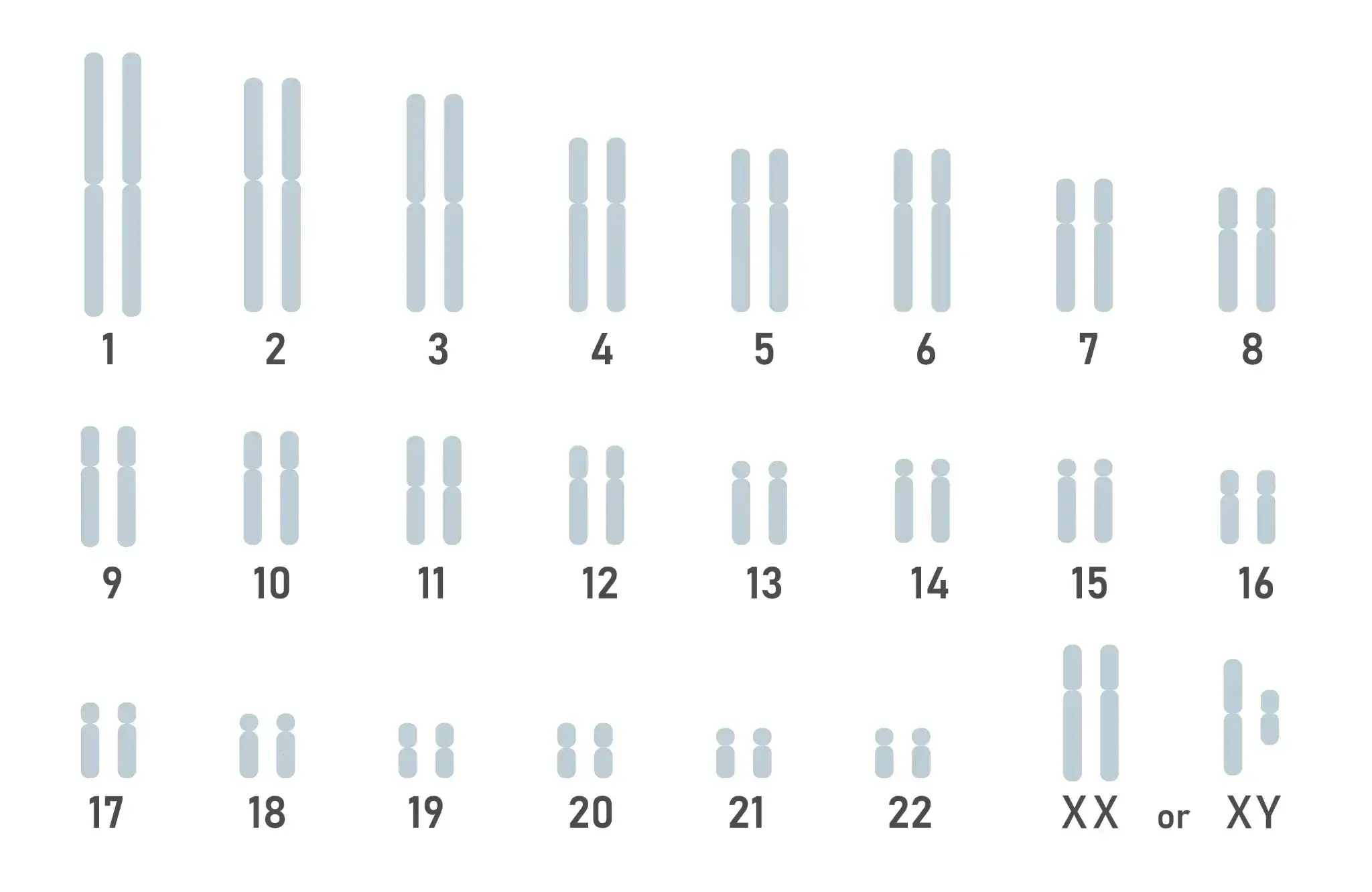
Schematic diagram of DNA map present in cells
- ■
- ■
- ■
- ■
- ■
- ■
- ■
- ■
- ■
Related genes
| Related genes | MCM6 |
|---|
Frequently asked questions (FAQ)
Q1. What is your bread preference?
Bread preferences are preferences for various types of bread, such as white bread, baguette, and rye bread.Individual differences occur due to the combined influence of four factors: genetic factors, differences in taste and smell, cultural background, and health goals (1).
Q2. What genes are related to bread preference?
A study by Cole et al. from the Broad Institute of Massachusetts Institute of Technology and Harvard University found thatDNA region rs182549 is associated with bread preferenceIt turns out that it is. People with the C mutation tend to prefer certain types of bread, and the associated gene is MCM6 (1).
Q3. What are the characteristics of the genotype distribution regarding Japanese bread preferences?
The Japanese rs182549 genotype distribution isCC type 99.9%, CT type 0.1%以下, TT type 0.1%以下It is. It is characterized by a 76.7 point higher proportion of CC type than the world average (CC type 23.2%) (1).
Q4. Can genetic testing determine trends in bread preferences?
By examining the genotype of DNA region rs182549,Understand bread preference trendsYou can. Research has shown that people with CC type (99.9% of Japanese) tend to prefer certain types of bread (1).
Q5. What factors other than genetics affect bread preferences?
Other than genetics,Food culture, family habits, health reasons, dietary restrictionsinfluences bread preferences. Eating and drinking habits from childhood and the local food culture shape preferences, and choices change depending on nutritional goals and allergies.
References
- Reference link 1: 2020 Mar., Joanne B Cole, Nat Commun