
 brain health

- Brain health is a state in which the central nervous system maintains normal function and cognitive functions function properly., and phosphatidylcholine plays an essential role in the organization of nerve cell membranes and neurotransmission.
- C-type mutation in DNA region rs99780A study at the University of Maryland found that people with a brain tend to have a positive impact on their brain health.
- The prevalence of type C mutation (CC+CT) in Japanese people is88.9%This is a slightly higher percentage than the world average of 86.3%.
Overview Brain health is an important part of the human body's central nervous system. Normal brain function has a huge impact on an individual's daily activities and quality of life. Phosphatidylcholine is a type of phospholipid that is a major component of brain cells and plays an important role in brain health. These phospholipids make up the membranes of nerve cells and are essential for maintaining their function. The membranes of nerve cells provide receptors for receiving signals and channels for transmitting information. Cell membranes rich in phosphatidylcholine increase the efficiency of these signal transductions and maintain neuronal health. Phosphatidylcholine is also a precursor to an important neurotransmitter called acetylcholine. Acetylcholine plays a role in transmitting signals in the brain related to cognitive functions such as memory, attention, and learning. Therefore, it is thought that an adequate supply of phosphatidylcholine promotes the synthesis of acetylcholine, resulting in improved cognitive function. Phosphatidylcholine supplementation may support brain function, especially when acetylcholine is reduced due to aging or neurodegenerative diseases such as Alzheimer's disease. Additionally, phosphatidylcholine is involved in the repair and regeneration of nerve cells in the brain. The brain is often exposed to stress and injury, and phosphatidylcholine helps repair damaged cell membranes and aids in the production of new nerve cells. For this reason, phosphatidylcholine maintains brain health and promotes recovery of neurological function. A study by Montasser et al. at the University of Maryland School of Medicine revealed that brain health is associated with a DNA region called rs99780. There are three genotypes in this DNA region: CC, CT, and TT, and it was found that people with the C genotype tend to have a positive effect on brain health.
What is brain health?
Brain health refers to a state in which the human body's central nervous system is functioning normally and cognitive functions such as memory, attention, and learning are maintained appropriately.Normal brain function has a direct impact on daily activities and quality of life.
What role does phosphatidylcholine play in brain health?
Phosphatidylcholine is a type of phospholipid that is a major component of brain cell membranes.It plays three important functions in maintaining brain health.
1. Composition and maintenance of nerve cell membranes
- Membrane composition:Makes up the membrane of nerve cells and supplies receptors that receive information transmission signals
- Efficiency of signal transmission:Phosphatidylcholine-rich cell membranes increase signal transduction efficiency and maintain nerve cell health
2. Promote the synthesis of the neurotransmitter acetylcholine
- Function as a precursor:Phosphatidylcholine acts as a precursor to acetylcholine
- Contribution to cognitive function:Acetylcholine plays a role in signal transmission related to memory, attention, and learning.
- Acceleration of synthesis:Adequate supply of phosphatidylcholine promotes acetylcholine synthesis, which is expected to improve cognitive function.
3. Nerve cell repair and regeneration
- Repair function:Repairs stressed and damaged cell membranes
- Promotion of regeneration:Helps generate new nerve cells and promotes recovery of nerve function
Comparison of three functions of phosphatidylcholine
| Function | Target | concrete action |
|---|---|---|
| Membrane composition and maintenance | nerve cell membrane | Supply of receptors and efficient signal transduction |
| acetylcholine synthesis | neurotransmitters | Improving cognitive functions of memory, attention, and learning |
| Repair/Regeneration | damaged nerve cells | Cell membrane repair, new nerve cell generation |
Phosphatidylcholine supplementation may support brain function, especially when acetylcholine is reduced due to aging or neurodegenerative diseases such as Alzheimer's disease.
The connection between genes and brain health
Relationship between DNA region rs99780 and brain health
A study by Montasser et al., University of Maryland School of Medicine (2022, Commun Biol) revealed that brain health is associated with the DNA region rs99780.
- There are three genotypes of rs99780: CC, CT, and TT.
- Genotype with type C mutation(CC type/CT type) people tend to have a positive effect on their brain health
- This gene region is related to the FADS2 gene
Comparison of genotype distribution in Japanese and the world (rs99780)
| Genotype | Percentage of Japanese people | percentage of the world |
|---|---|---|
| CC type | 44.6% | 39.8% |
| CT type | 44.3% | 46.5% |
| TT type | 11.0% | 13.6% |
The prevalence of type C mutation (CC+CT) in Japanese people is88.9%This is a slightly higher percentage than the global average of 86.3%. On the other hand, the percentage of Japanese people with type TT is11.0%This is lower than the world average of 13.6%, indicating that the Japanese population has a slightly higher genetic predisposition to favor brain health.
Rationale for testing
Superficial DNA regions: brain health
The gene region that most strongly influences brain health is rs99780. The distribution of isomorphic genotypes in Japan is as follows.
- CC
44.6 % - CT
44.3 % - TT
11.0 %
Basis for inspection
A study by Montasser et al., from the University of Maryland School of Medicine, revealed that genes are linked to brain health. There is a region called rs99780 in the human genome, and there are two types of mutations, C and T, in the gene in this region. It turns out that people with the type C mutation tend to have better brain health.
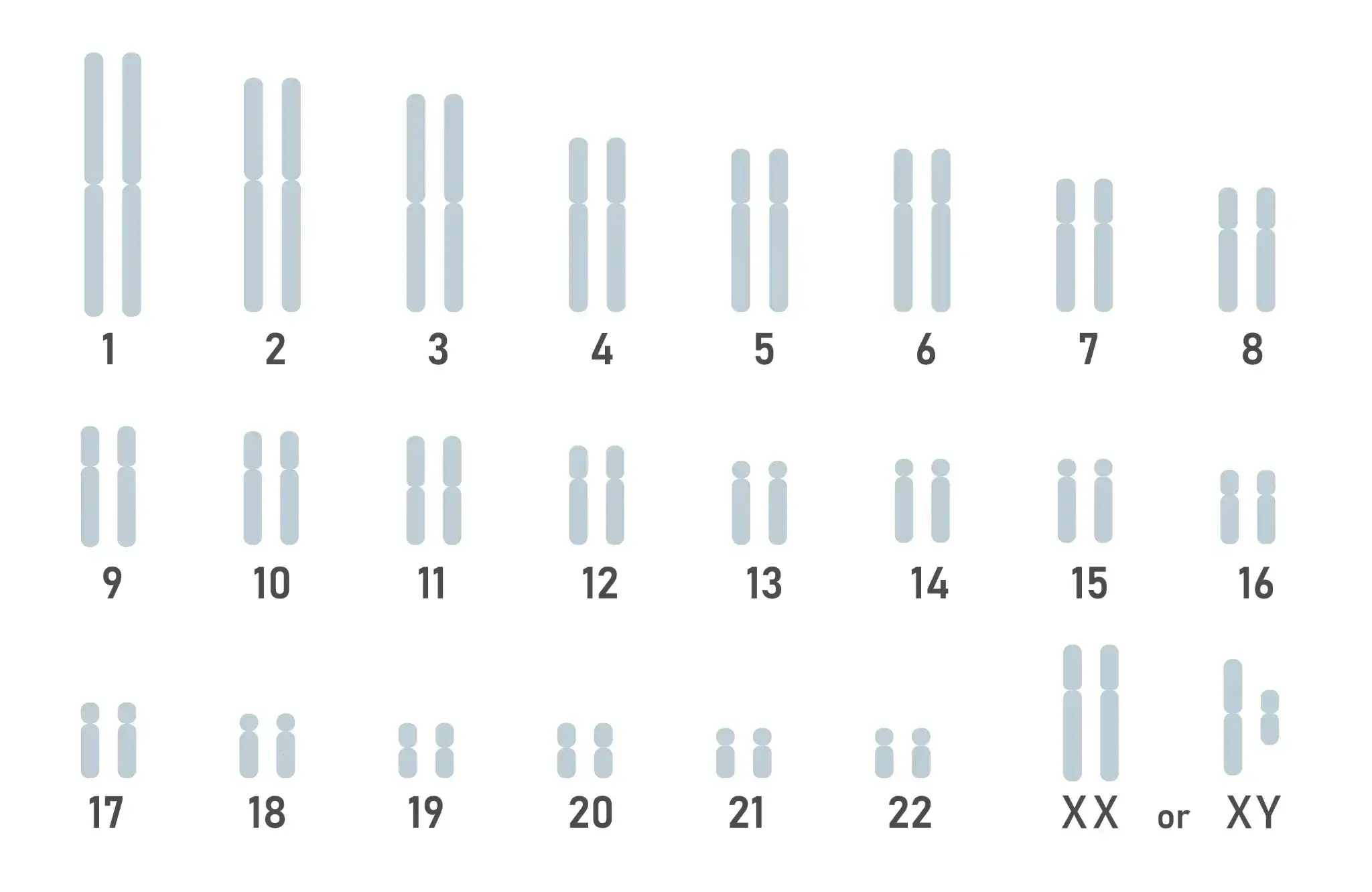
The DNA region investigated this time
Schematic diagram of DNA map present in cells
- ■
- ■
- ■
- ■
- ■
- ■
- ■
- ■
- ■
Related genes
| Related genes | FADS2 |
|---|
Frequently asked questions (FAQ)
Q1. What is brain health?
Brain health refers to a state in which the central nervous system maintains normal functions and cognitive functions such as memory, attention, and learning are functioning properly.Phosphatidylcholine is a type of phospholipid that is a major component of brain cell membranes, and has three important functions: structuring and maintaining nerve cell membranes, promoting the synthesis of the neurotransmitter acetylcholine, and repairing and regenerating damaged nerve cells.
Q2. Is brain health related to genes?
Yes.A study by Montasser et al., University of Maryland School of Medicine (2022, Commun Biol) found that the DNA region rs99780 is associated with brain health.There are three genotypes of rs99780: CC, CT, and TT, and people with the genotype C mutation tend to have a positive effect on their brain health.
Q3. What is the distribution of brain health-related genotypes (rs99780) in Japanese people?
The genotype distribution of rs99780 in Japanese people isCC type 44.6%, CT type 44.3%, TT type 11.0%It is. Worldwide, 39.8% are CC type, 46.5% CT type, and 13.6% TT type, and Japanese people have a characteristic that the proportion of CC type is about 4.8 points higher than the world average.
Q4. What role does phosphatidylcholine play in brain health?
Phosphatidylcholine isComposition and maintenance of nerve cell membranes、Promote the synthesis of the neurotransmitter acetylcholine、Repair and regeneration of damaged nerve cellsIt has three important functions: Phosphatidylcholine supplementation may support brain function, especially if acetylcholine decreases due to aging or Alzheimer's disease.
References
- Reference link 1: 2022 Apr., May E Montasser, Commun Biol