
 bone health
- Bone health is determined by calcium, collagen type II, chondroadherin, and collagen α1(I) chain.assessed by the interaction of multiple biological markers such as
- People with type G mutation in DNA region rs12498138Stanford University research finds that people tend to have poorer bone health
- The prevalence of type GG among Japanese people is 83.4%.The distribution is almost the same as the world average of 82.8%.
Overview Bone health is assessed through a complex interplay of multiple biological markers: calcium levels, collagen type II, chondroadherin, and collagen alpha 1(I) chains. Each of these components plays an important role in maintaining the structural integrity and function of bone tissue. Calcium is an important mineral stored in bones and contributes to their strength and density. Adequate calcium levels indicate bone remineralization and metabolic health, and are essential for preventing osteoporosis and bone fractures. Collagen type II is the main structural protein of cartilage, which protects the ends of bones in joints, and is essential for joint health and elasticity. Chondroadherin is an important molecule found in cartilage that mediates interactions between cells and the surrounding matrix, maintaining cartilage health and supporting bone integrity. Collagen α1(I) chains are components of type I collagen, the most abundant collagen type in the bone matrix. It is important for bone strength and flexibility and serves as the primary framework for bone formation. Adequate measurement of collagen α1(I) chains indicates robust bone formation and turnover processes. These measurements provide comprehensive information on bone health, indicating not only bone density and structure, but also the quality of the collagenous and non-collagenous components of the bone. Such assessments provide information about an individual's risk for osteoporosis, fractures, and other bone-related conditions and help strengthen bone health and function. A study by Sinnott-Armstrong et al. at Stanford University revealed that bone health is associated with a DNA region called s12498138. There are three genotypes in this DNA region: GG, GA, and AA, and it was found that people with the G genotype tend to have poor bone health.
What is bone health?
Bone health is a comprehensive measure of the structural integrity and function of bone tissue, assessed by the interaction of multiple biological markers: calcium levels, collagen type II, chondroadherin, and collagen alpha 1(I) chains.A study by Sinnott-Armstrong et al. at Stanford University (1) revealed that people with the G mutation in the rs12498138 DNA region tend to have poor bone health.
What are the four main components of bone health?
Bone health is determined by four biological markers: Each plays an essential role in maintaining bone structure and function.
| Ingredients | Main role | Impact on bone health |
|---|---|---|
| calcium | Important minerals stored in bones | Contributes to bone strength and density and prevents osteoporosis and fractures |
| Collagen type II | Main structural protein of cartilage | Maintain joint health and elasticity |
| Chondroadherin | Mediates cell-cell interactions in cartilage | Maintains cartilage health and supports bone integrity |
| Collagen α1(I) chain | Main component of type I collagen | A framework that gives bones strength and flexibility |
Why calcium is important for bone health
Calcium is an important mineral stored in bones and directly contributes to bone strength and density.Adequate calcium levels can:
- Promotion of bone remineralization
- Maintaining metabolic health
- Prevention of osteoporosis
- Reduced risk of fractures
The recommended daily intake of calcium for adults is 650 to 800 mg (Ministry of Health, Labor and Welfare's Dietary Intake Standards for Japanese).
Role of collagen and cartilage
Collagen type II is the main structural protein in cartilage that protects the ends of bones in joints.and is essential for joint health and elasticity. Chondroadherin is an important molecule present in cartilage that mediates interactions between cells and the surrounding matrix, maintaining cartilage health.
Collagen α1(I) chain is the most abundant type I collagen component in the bone matrix.and is essential for bone strength and flexibility. It serves as the main framework for bone formation, and its proper measurement indicates a robust bone formation and turnover process.
Relationship between bone health and genes
A study by Sinnott-Armstrong et al. at Stanford University (1) revealed that bone health is associated with the DNA region rs12498138.
- There are three genotypes of rs12498138: GG, GA, and AA.
- People with type G mutationtend to have poor bone health
- Related genes:GOLB1、RPS27P5、FAM178B、LINC02341
Measures to maintain bone health
In addition to genetic factors, the following lifestyle habits are believed to be effective in maintaining bone health.
- Adequate calcium intake:Consume 650 to 800 mg of calcium per day from dairy products, small fish, and soy products.
- Vitamin D supplementation:Promote calcium absorption with sunbathing (15-20 minutes a day) and foods containing vitamin D
- Carrying out weight-bearing movements:Walking, jogging, and strength training improve bone density
- No smoking/drinking:Smoking accelerates bone density loss and excessive drinking inhibits calcium absorption
- Regular bone density tests:Bone density testing once a year is recommended for people over 50 years old.
The relationship between genes and bone health
Relationship between DNA region rs12498138 and bone health status
A study by Sinnott-Armstrong et al. (1) at Stanford University found that the DNA region rs12498138 was most strongly associated with bone health.
- There are three genotypes of rs12498138: GG, GA, and AA.
- Genotype with type G mutationPeople with this condition tend to have poor bone health.
Genotype distribution in Japanese and the world (rs12498138)
| Genotype | Percentage of Japanese people | percentage of the world |
|---|---|---|
| GG type | 83.4% | 82.8% |
| GA type | 15.8% | 16.3% |
| AA type | 0.7% | 0.8% |
Japanese distribution of other related gene regions
| gene region | Genotype 1 (Japan/World) | Genotype 2 (Japan/World) | Genotype 3 (Japan/World) |
|---|---|---|---|
| rs6684472 | CC 42.7% / 32.1% | CT 45.2% / 49.1% | TT 11.9% / 18.7% |
| rs78783493 | CC 99.9% / 88.0% | CT 0.1%以下 / 11.5% | TT 0.1%以下 / 0.3% |
| rs8001611 | CC 0.5% / 20.9% | CT 13.3% / 49.6% | TT 86.0% / 29.4% |
| rs9533095 | GG 86.0% / 30.9% | GT 13.3% / 49.3% | TT 0.5% / 19.6% |
Rationale for testing
Superficial DNA region: Bone health
The gene region that most strongly influences bone health is rs12498138. The distribution of isomorphic genotypes in Japan is as follows.
- GG
83.4 % - GA
15.8 % - AA
0.7 %
Another gene region related to bone health is rs6684472. The distribution of isomorphic genotypes in Japan is as follows
- CC
42.7 % - CT
45.2 % - TT
11.9 %
Another gene region related to bone health is rs78783493. The distribution of isomorphic genotypes in Japan is as follows
- CC
99.9 % - CT
0.1%以下 - TT
0.1%以下
Another gene region related to bone health is rs8001611. The distribution of isomorphic genotypes in Japan is as follows
- CC
0.5 % - CT
13.3 % - TT
86.0 %
Another gene region related to bone health is rs9533095. The distribution of isomorphic genotypes in Japan is as follows
- GG
86.0 % - GT
13.3 % - TT
0.5 %
Basis for inspection
A study by Sinnott-Armstrong et al. at Stanford University revealed that bone health is linked to genes. There is a region called rs12498138 in the human genome, and there are two types of mutations, G and A, in the gene in this region. It has been found that people with the G-type mutation tend to have poorer bone health (1).
The DNA region investigated this time
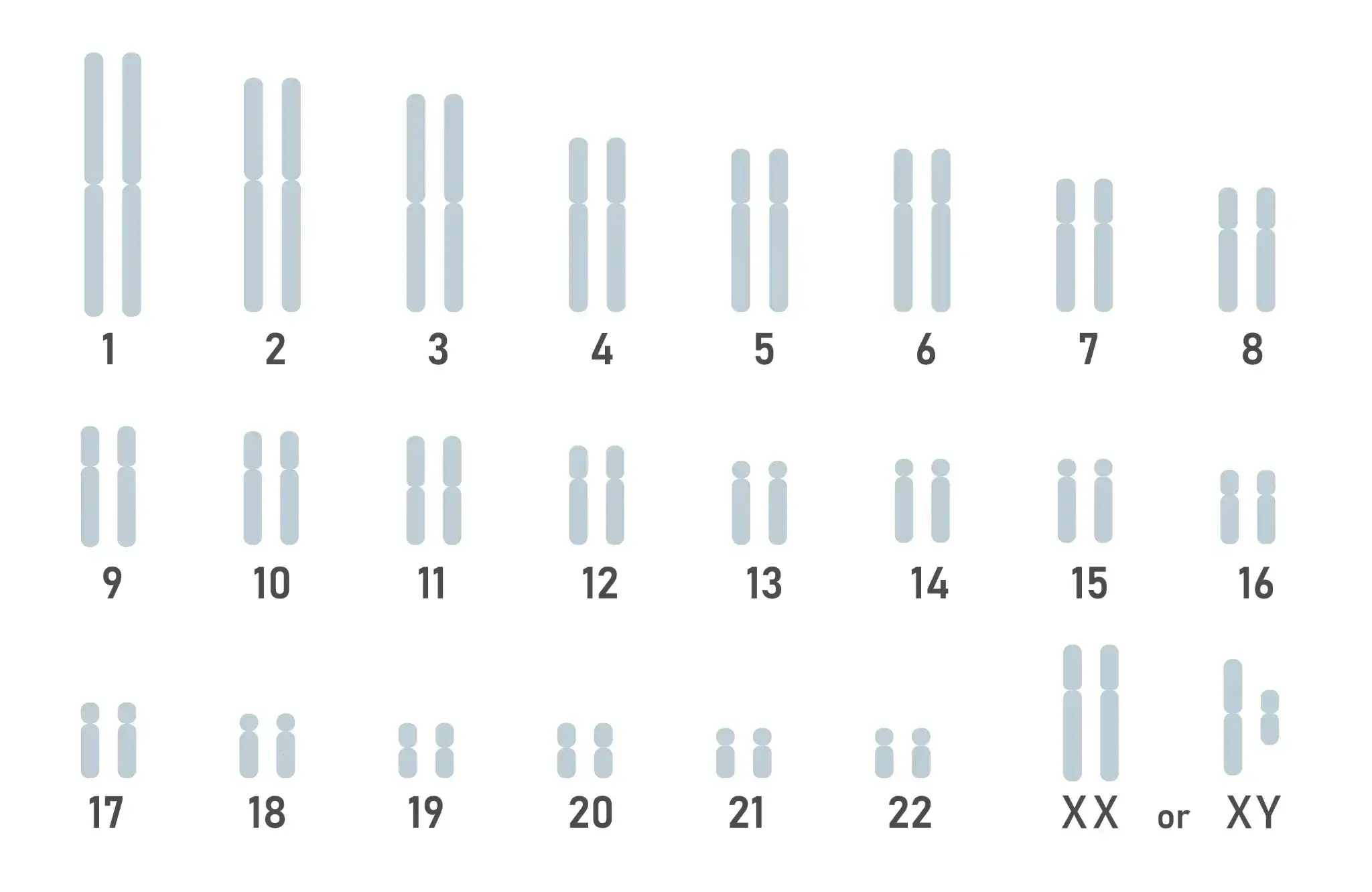
Schematic diagram of DNA map present in cells
- ■
- ■
- ■
- ■
- ■
- ■
- ■
- ■
- ■
Related genes
| Related genes | GOLB1 |
|---|---|
| Related genes | RPS27P5 |
| Related genes | FAM178B |
| Related genes | LINC02341 |
| Related genes | LINC02341 |
Frequently asked questions (FAQ)
Q1. What is bone health?
Bone health is a comprehensive indicator of the structural integrity and function of bone tissue, assessed by the interaction of multiple biological markers, including calcium levels, collagen type II, chondroadherin, and collagen alpha 1(I) chains.A Stanford University study found that people with the G mutation in the rs12498138 DNA region tend to have poorer bone health (1).
Q2. What genetic region is associated with bone health?
According to research by Sinnott-Armstrong et al. at Stanford University (1),DNA region rs12498138 is most strongly associated with bone healthIt turns out that it is. Four other gene regions, rs6684472, rs78783493, rs8001611, and rs9533095, are involved in bone health.
Q3. How are calcium and collagen related to bone health?
Calcium is an important mineral that contributes to bone strength and densityIt is essential for preventing osteoporosis and bone fractures.Collagen type II is the main structural protein of articular cartilage.Collagen α1 (I) chain is a component of type I collagen, which is responsible for the strength and flexibility of bones.
Q4. What is the distribution of bone health-related genotypes in Japanese people?
The genotype distribution of Japanese people in the DNA region rs12498138 isGG type 83.4%, GA type 15.8%, AA type 0.7%It is. Compared to the world average (GG type 82.8%, GA type 16.3%, AA type 0.8%), the proportion of Japanese people with type GG is almost the same.
Q5. Are there any measures I can take to maintain bone health?
Sufficient calcium intake (recommended amount for adults: 650 to 800 mg/day), vitamin D supplementation, regular weight-bearing exercise (walking, strength training), smoking cessation, and alcohol moderation.is effective in maintaining bone health. Annual bone density testing is recommended for people over 50.
References
- Reference link 1: 2021 Feb., Nasa Sinnott-Armstrong, Nat Genet
- Reference link 2: 2021 Nov., Maik Pietzner, Science