
 weight

- Weight is a health indicator that is determined by a combination of genes, environment, and lifestyle habits.The genetic influence is estimated to be 40-70%.
- G-type mutation in DNA region rs35851183Research at Osaka University reveals that people with 200% tend to have a higher risk of weight gain
- The prevalence of type GG among Japanese people is 28.9%, higher than the world average of 13.2%.High prevalence of weight gain risk factors
Overview Weight is an important indicator in biology and medicine and refers to an individual's mass, usually measured in kilograms or pounds. Weight is determined by a complex interplay of genetic, environmental, and lifestyle factors. vGenetically, specific genes or combinations of genes influence metabolism, fat storage, and muscle development. Environmentally, access to food, type of diet, and exposure to chemicals influence weight. When it comes to lifestyle, the amount of exercise you do, your food choices, and your sleep patterns play important roles in your weight. Weight is an important indicator of health and well-being. Weight is classified as underweight, normal weight, overweight, or obese based on body mass index (BMI), which is a ratio of body weight to height. These classifications help assess weight-related health risks. For example, being overweight or obese increases your risk of type 2 diabetes, heart disease, and certain cancers. On the other hand, low body weight may indicate malnutrition or other health problems. Maintaining a healthy weight with a balanced diet and regular exercise is essential for overall health and longevity. A study by Sakaue et al. at Osaka University revealed that weight fluctuations are associated with a DNA region called rs35851183. There are three genotypes in this DNA region: AA, AG, and GG, and it was found that people with the G genotype tend to gain weight more easily.
What is weight? Relationship with genes
Weight is a basic biological and medical health indicator that refers to the mass of an individual's entire body.It is usually measured in kilograms (kg) or pounds (lb) and is determined by the combined influence of three factors: genetics, environment, and lifestyle.
3 factors that determine your weight
Weight is not determined by a single factor, but by a combination of the following three factors:
| factor | Impact details | degree of influence |
|---|---|---|
| genetic factors | Gene mutations involved in metabolic rate, fat accumulation, and muscle mass | 40〜70% |
| environmental factors | Access to food, dietary content, and exposure to chemicals | 15〜30% |
| lifestyle habits | Exercise amount/meal selection/sleep pattern | 15〜30% |
What is the relationship between weight and BMI?
BMI (body mass index) is the value calculated by dividing the weight (kg) by the square of the height (m).and is used for weight health risk assessment.
| BMI classification | BMI value | health risks |
|---|---|---|
| low weight | Less than 18.5 | Malnutrition/low immunity |
| standard weight | 18.5〜24.9 | lowest risk |
| overweight | 25.0〜29.9 | Increased risk of heart disease and diabetes |
| obesity | 30.0 or more | Increased risk of type 2 diabetes, heart disease, and certain cancers |
Why is weight management important?
Proper weight management through a balanced diet and regular exercise is essential for overall health and longevity. Weight imbalance is directly linked to the following health risks.
- Overweight/obesity:Increased risk of developing type 2 diabetes, heart disease, and certain cancers
- Underweight:Risk of malnutrition, osteoporosis, and decreased immune function
- Rapid weight fluctuations:Metabolic abnormalities/hormonal imbalance
What is the DNA region rs35851183 that affects body weight?
A study by Sakaue et al. at Osaka University revealed that weight fluctuations are associated with the DNA region rs35851183.
- There are three genotypes of rs35851183: AA, AG, and GG.
- GG type/AG type with G mutationare more likely to gain weight
- Type AA people have a relatively low risk of weight gain.
Genotype distribution in Japanese (rs35851183)
| Genotype | Percentage of Japanese people | percentage of the world |
|---|---|---|
| AA type | 21.3% | 40.3% |
| AG type | 49.7% | 46.3% |
| GG type | 28.9% | 13.2% |
The prevalence of type GG among Japanese people (28.9%) is approximately 2.2 times the world average (13.2%). The high prevalence of type G mutations suggests the need to consider genetic risks in weight management in Japanese people.
Relationship between genes and weight
Three DNA regions related to weight
Multiple DNA regions are involved in weight. The three main regions and related genes are as follows.
| DNA region | Related genes | risk mutation | influence |
|---|---|---|---|
| rs35851183 | LINC02469 | G type | Strongest weight gain risk |
| rs3791675 | EFEMP1 | C type | Ancillary risks of weight gain |
| rs2301522 | AXIN1 | G type | Ancillary risks of weight gain |
Rationale for testing
Body surface DNA region: weight
The gene region that most strongly influences body weight is rs35851183. The distribution of isomorphic genotypes in Japan is as follows.
- AA
21.3 % - AG
49.7 % - GG
28.9 %
Another gene region related to body weight is rs3791675. The distribution of isomorphic genotypes in Japan is as follows
- CC
7.5 % - CT
39.7 % - TT
52.7 %
Another gene region related to body weight is rs2301522. The distribution of isomorphic genotypes in Japan is as follows
- AA
38.4 % - AG
47.1 % - GG
14.4 %
Basis for inspection
Research by Sakaue et al. at Osaka University revealed that weight fluctuations are related to genes. There is a region called rs35851183 in the human genome, and there are two types of mutations, A and G, in the gene in this region. It was found that people with the G mutation tend to gain weight more easily. Among Japanese people, 21.3% are type AA, 49.7% are type AG, and 28.9% are type GG, and they are characterized by a higher prevalence of type G than the world average.
The DNA region investigated this time
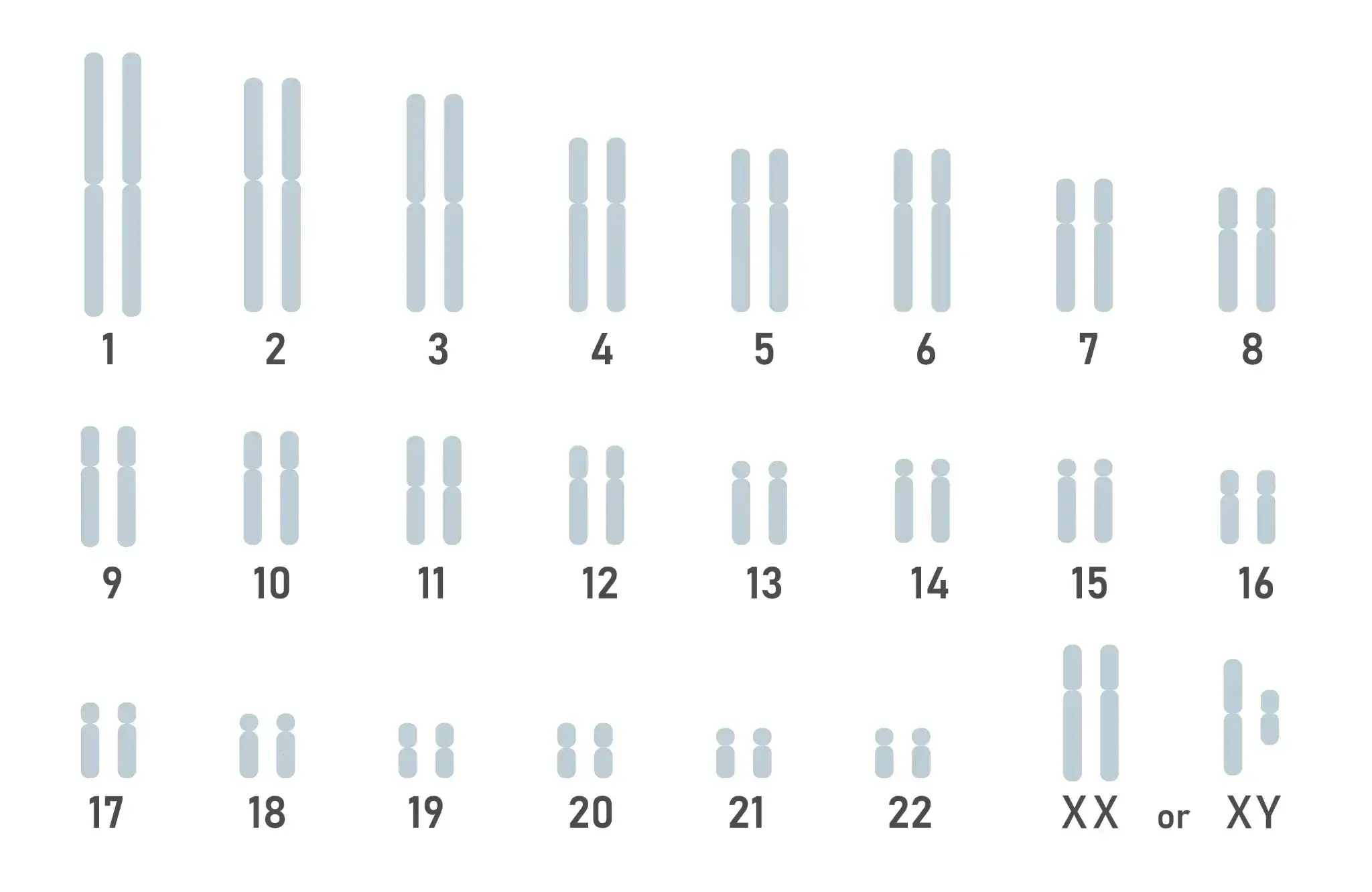
Schematic diagram of DNA map present in cells
- ■
- ■
- ■
- ■
- ■
- ■
- ■
- ■
- ■
Related genes
| Related genes | LINC02469 |
|---|---|
| Related genes | EFEMP1 |
| Related genes | AXIN1 |
Frequently asked questions (FAQ)
Q1. What is the relationship between weight and genes?
Weight is influenced by 40-70% by genesIt is said that A study by Sakaue et al. at Osaka University found that people with the G mutation in the rs35851183 DNA region tend to gain weight. Genes directly influence metabolic rate, fat storage, and muscle mass.
Q2. What is the DNA region rs35851183 that affects body weight?
rs35851183 isDNA region on the human genomeThere are three genotypes: AA, AG, and GG. People with the G mutation (GG type/AG type) tend to gain weight easily. Among Japanese people, 21.3% are type AA, 49.7% are type AG, and 28.9% are type GG.
Q3. Which genotype is more likely to gain weight?
In the DNA region rs35851183,GG type with G mutation(28.9% of Japanese) have the highest risk of weight gain, followed by AG type (49.7%) who have a slightly higher risk. Type AA (21.3%) is a relatively low-risk genotype.
Q4. Is the relationship between weight and genes different between Japanese and the rest of the world?
The GG type prevalence of rs35851183 isJapanese 28.9%The global average is 13.2%. Japanese people tend to have a higher prevalence of type G mutation than the world average. On the other hand, for rs3791675, the CC type differs greatly, with 7.5% in Japanese and 54.8% worldwide.
Q5. Is genetic testing useful for weight management?
By examining the genotypes of rs35851183, rs3791675, and rs2301522 through genetic testing,Understand trends in weight gain riskYou can. It can be used to optimize diet and exercise plans based on genetic risk, enabling efficient weight management.
References
- Reference link 1: 2021 Oct., Saori Sakaue, Nat Genet
- Reference link 2: 2017 Jun., Ioanna Tachmazidou, Am J Hum Genet