
 Ease of stopping blood

- Ease of blood clot is evaluated by MPV (mean platelet volume)Platelet size is directly linked to blood clotting efficiency and thrombotic risk.
- T-type mutation in DNA region rs1790946A Cambridge University study found that people with this condition tend to be more likely to stop bleeding.
- By understanding changes in MPV,Blood clot-related diseases such as stroke and myocardial infarctionand bleeding disorders risk management.
Overview Mean Platelet Volume (MPV) is a measure of the average size of platelets in the bloodstream. Platelets play an important role in stopping bleeding and are also known as thrombocytes, which help blood clot. MPV is an important indicator of how platelets are produced in the bone marrow and active in the bloodstream. If your MPV is high, it means your platelets are larger, which may make your blood more likely to clot. Large platelets are younger, more active, and more prone to forming blood clots. This suggests an increased risk of blood clot-related diseases such as stroke and myocardial infarction. On the other hand, if MPV is low, platelets may become smaller and less effective at blood clotting. This suggests that it may lead to bleeding disorders. MPV is a marker that indicates not only platelet size but also bone marrow activity and health, as well as factors related to blood clot risk. Therefore, understanding changes in MPV is important in taking measures against diseases related to coagulation and hemostasis. Research by Astle et al. at the University of Cambridge has revealed that the ease with which blood can stop is associated with a DNA region called rs1790946. There are three genotypes in this DNA region: CC, CT, and TT, and it was found that people with the T genotype tend to have a higher rate of blood clotting.
What is the ease with which blood stops (MPV)?
MPV (Mean Platelet Volume), which is an indicator of how easily blood stops, is a marker that indicates the average size of platelets in the bloodstream.Platelets are cells that form blood clots that stop bleeding, and MPV values reflect blood clotting ability.
What does the MPV value mean?
The MPV value indicates the state of platelet production in the bone marrow and the tendency of blood to clot.
- If MPV is high:Platelets are large, young, and active, making them more likely to form blood clots. Increased risk of stroke and myocardial infarction
- If MPV is low:Platelets are small and blood clotting is less efficient. Increased risk of bleeding disorders
Difference between high and low MPV values
| Comparison items | High MPV | MPV low value |
|---|---|---|
| platelet size | big (young and active) | Small (decreased functionality) |
| Coagulation tendency | prone to forming blood clots | Bleeding is difficult to stop |
| Main risks | Stroke/myocardial infarction | bleeding disorders |
| bone marrow condition | Actively produces platelets | Productivity decreases |
Why is understanding MPV important?
MPV is a composite marker that indicates not only platelet size but also bone marrow activity, health status, and blood clot risk.Understanding changes in MPV is essential for taking measures to prevent the following diseases related to coagulation and hemostasis:
- Thrombus-related diseases:Myocardial infarction, stroke, deep vein thrombosis
- Bleeding disorders:Thrombocytopenic purpura, bleeding tendency
- Bone marrow disease:myelodysplastic syndrome, aplastic anemia
Relationship between genes and ease of blood clotting
Relationship between DNA region rs1790946 and blood coagulation
Research by Astle et al. at the University of Cambridge revealed that the DNA region rs1790946 is associated with the ease with which blood clots.
- There are three genotypes of rs1790946: CC, CT, and TT.
- Genotype with T-type mutationPeople with this condition tend to have a higher tendency to stop bleeding.
Genotype distribution in Japanese (rs1790946)
| Genotype | Percentage of Japanese people | percentage of the world |
|---|---|---|
| CC type | 19.5% | 25.5% |
| CT type | 49.3% | 49.9% |
| TT type | 31.1% | 24.4% |
Rationale for testing
Typical DNA region: Ease of blood clotting
The gene region that most strongly influences the ease with which blood stops is rs1790946. The distribution of isomorphic genotypes in Japan is as follows.
- CC
19.5 % - CT
49.3 % - TT
31.1 %
Another gene region involved in blood clotting is rs2657375. The distribution of isomorphic genotypes in Japan is as follows
- AA
13.3 % - AG
46.3 % - GG
40.2 %
Another gene region involved in blood clotting is rs58470318. The distribution of isomorphic genotypes in Japan is as follows
- GG
44.0 % - GA
44.6 % - AA
11.3 %
Another gene region involved in blood clotting is rs6625947. The distribution of isomorphic genotypes in Japan is as follows
- CC
0.1%以下 - CT
3.8 % - TT
96.0 %
Another gene region involved in blood clotting is rs7162943. The distribution of isomorphic genotypes in Japan is as follows
- GG
32.1 % - GT
49.0 % - TT
18.7 %
Another gene region involved in blood clotting is rs73578101. The distribution of isomorphic genotypes in Japan is as follows
- GG
82.4 % - GA
16.7 % - AA
0.8 %
Another gene region involved in blood clotting is rs874. The distribution of isomorphic genotypes in Japan is as follows
- AA
14.0 % - AG
46.8 % - GG
39.0 %
Another gene region involved in blood clotting is rs2766679. The distribution of isomorphic genotypes in Japan is as follows
- AA
50.6 % - AG
41.0 % - GG
8.3 %
Basis for inspection
Research by Astle et al. at the University of Cambridge has revealed that the ease with which blood clots is linked to genes. There is a region called rs1790946 in the human genome, and there are two types of mutations, C and T, in the gene in this region. It was found that people with the T mutation tend to have a higher rate of blood clotting.
The DNA region investigated this time
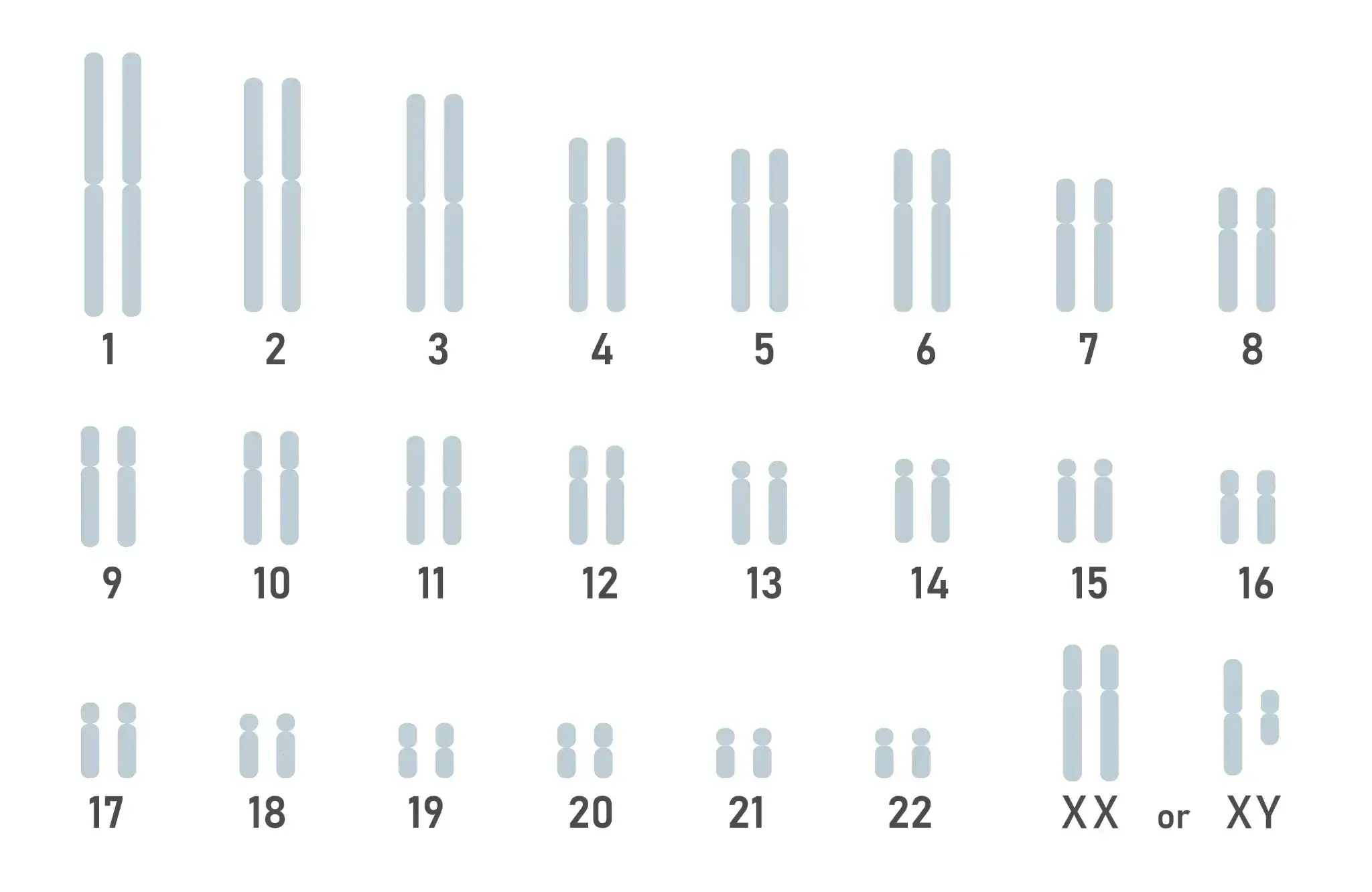
Schematic diagram of DNA map present in cells
- ■
- ■
- ■
- ■
- ■
- ■
- ■
- ■
- ■
Related genes
| Related genes | CD226 |
|---|---|
| Related genes | ESYT2 |
| Related genes | TESC |
| Related genes | NHSL2 |
| Related genes | CARMAL |
| Related genes | LUZP4 |
| Related genes | MORF4L2 |
| Related genes | ZNF217 |
Frequently asked questions (FAQ)
Q1. What is the ease with which blood stops (MPV)?
MPV (Mean Platelet Volume) is a measure of the average size of platelets in the bloodstream.Platelets are cells that form blood clots to stop bleeding during bleeding, and the MPV value reflects the efficiency of blood clotting and the risk of blood clots.
Q2. What risks are there if MPV is high?
If MPV is high,Because platelets are large and active, blood clots are more likely to form.It will be. This increases the risk of blood clot-related diseases such as stroke and myocardial infarction. On the other hand, when MPV is low, bleeding tends to be difficult to stop.
Q3. What genes are involved in how easily blood stops flowing?
According to research by Astle et al. at the University of Cambridge,DNA region rs1790946was found to be associated with the ease with which blood clots. There are three genotypes in this region: CC, CT, and TT, and people with the T mutation tend to have a higher rate of blood clotting.
Q4. Can genetic testing determine the risk of blood clotting?
Contains DNA region rs17909468 gene regionsBy examining the genotype of a person, it is possible to understand trends in blood coagulation ability. Related genes include CD226, ESYT2, TESC, and ZNF217, and comprehensive analysis will clarify individual risk trends.
References
- Reference link 1: 2016 Nov., William J Astle, Cell
- Reference link 2: 2020 Sep., Dragana Vuckovic, Cell
- Reference link 3: 2020 Sep., Ming-Huei Chen, Cell