
 bioenergy productivity

- Bioenergy productivity is the ability to generate ATP through fatty acid metabolism using decanoylcarnitine.important in high energy-demanding tissues such as the liver and muscles.
- T-type mutation in DNA region rs8396Research reveals that people with
- Japanese57.7% are TT type, which is higher than the global average (50.7%)
Overview Decanoylcarnitine is a compound of carnitine and decanoic acid (decanoyl group) that plays an important role in fatty acid metabolism. Carnitine mainly plays a role in transporting long-chain fatty acids to the mitochondria and assisting in the process of using them as energy, and decanoylcarnitine is particularly involved in the metabolism of medium-chain fatty acids (MCTs). Mitochondria are known as the cell's "energy factories" and produce energy called ATP (adenosine triphosphate). During this process, fatty acids are combined with carnitine and transported into the mitochondria as acylcarnitines. Decanoylcarnitine is a type of acylcarnitine that efficiently converts medium-chain fatty acids such as decanoic acid into energy. Decanoylcarnitine plays an important role, especially in tissues with high energy demands, such as the liver and muscles. Because medium-chain fatty acids are metabolized more rapidly than other fatty acids, decanoylcarnitine is important in situations where a rapid energy supply is required. This process is activated when the body needs energy quickly, for example during exercise or fasting. Research by Suhre et al. of the German Research Center Helmholtz Society revealed that the ability to metabolize fatty acids is associated with a DNA region called rs8396. There are three genotypes in this DNA region: TT, TC, and CC, and it was found that people with the T-type mutation tend to have a higher ability to metabolize fatty acids.
What is bioenergy productivity?
Bioenergy productivity refers to the ability of mitochondria to generate ATP (adenosine triphosphate) through fatty acid metabolism via decanoylcarnitine.It is the ability to efficiently convert medium chain fatty acids (MCT) into energy, and plays an important role in high energy demanding tissues such as the liver and muscles.
What is decanoylcarnitine
Decanoylcarnitineis a compound that combines carnitine and decanoic acid (decanoyl group). It performs the following functions in fatty acid metabolism:
- Transport of fatty acids:Transports medium chain fatty acids into mitochondria
- ATP conversion:Converted to energy (ATP) within mitochondria
- Rapid energy supply:Medium-chain fatty acids are metabolized faster than long-chain fatty acids.
Mechanism of bioenergy production
Mitochondria are known as the cell's "energy factories" and produce ATP through the following processes.
- fatty acids combine with carnitine,Acylcarnitineform
- Acylcarnitine passes through the inner mitochondrial membrane
- Decomposes into acetyl-CoA through β-oxidation
- Through the TCA circuit and electron transport chainATPconvert to
Why bioenergy production is important
Decanoylcarnitine works actively in the following situations:
| situation | energy demand | Importance of productivity |
|---|---|---|
| When exercising | Rapid ATP supply to muscles | Directly linked to endurance and performance |
| fasting | Energy production from fatty acids | Essential for maintaining blood sugar levels |
| liver metabolism | Detoxification and maintenance of metabolic function | Contributes to maintaining liver function |
The relationship between genes and bioenergy productivity
Relationship between DNA region rs8396 and fatty acid metabolic ability
A study by Suhre et al. (1) of the German Research Center Helmholtz Society revealed that the DNA region rs8396 is associated with the ability to metabolize fatty acids.
- There are three genotypes of rs8396: TT, TC, and CC.
- Genotype with T-type mutationpeople tend to have higher bioenergy production capacity
Genotype distribution in Japanese (rs8396)
| Genotype | Percentage of Japanese people | percentage of the world |
|---|---|---|
| TT type | 57.7% | 50.7% |
| TC type | 36.5% | 40.9% |
| CC type | 5.7% | 8.2% |
Rationale for testing
External DNA region: bioenergy production potential
The gene region that most strongly influences bioenergy productivity is rs8396. The distribution of isomorphic genotypes in Japan is as follows.
- TT
57.7 % - TC
36.5 % - CC
5.7 %
Basis for inspection
A study by Suhre et al. of the German research center Helmholtz Society revealed that bioenergy productivity is linked to genes. There is a region called rs8396 in the human genome, and there are two types of mutations, T and C, in the gene in this region. It was found that people with the T mutation tend to have higher bioenergy production (1).
The DNA region investigated this time
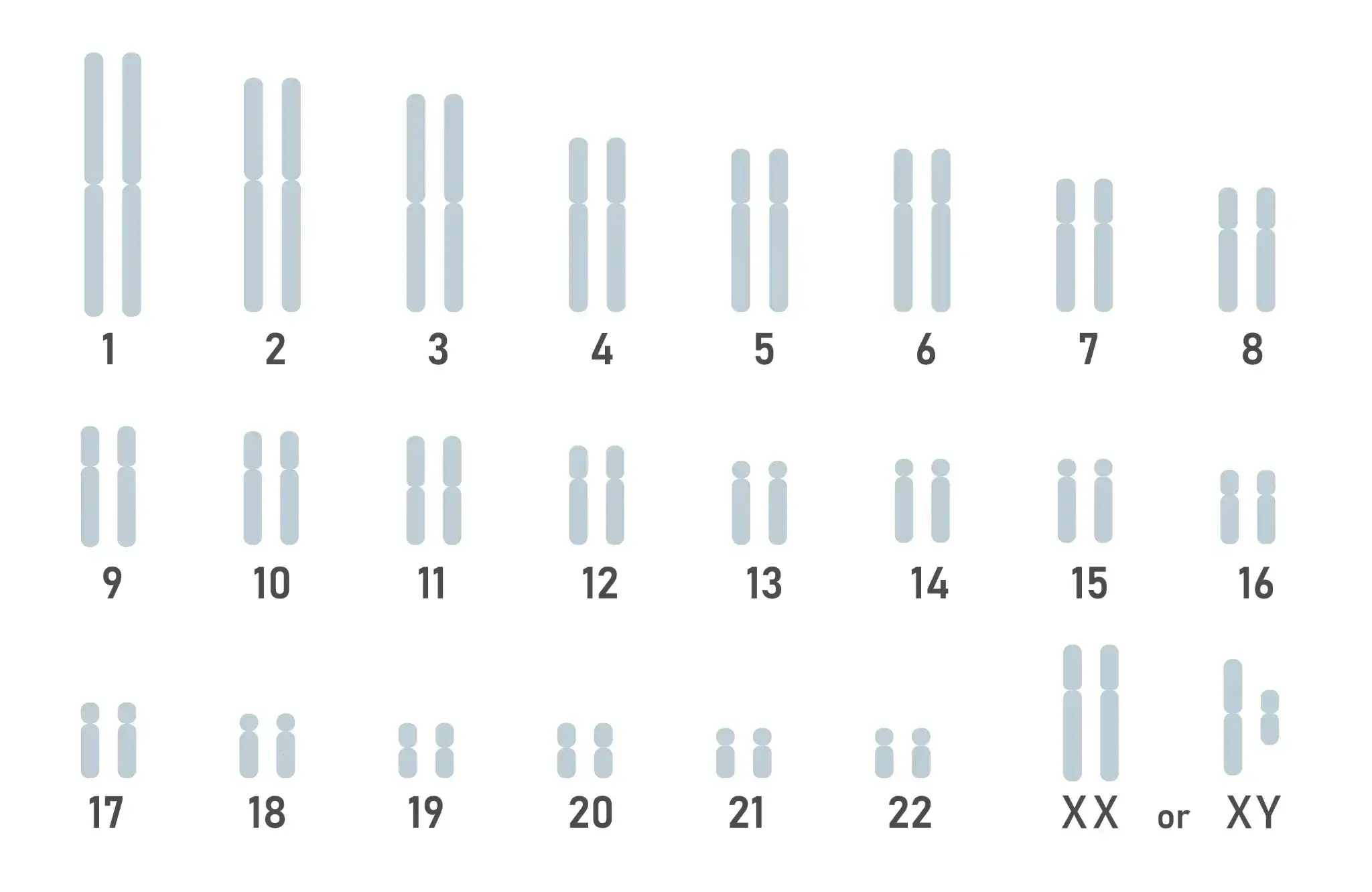
Schematic diagram of DNA map present in cells
- ■
- ■
- ■
- ■
- ■
- ■
- ■
- ■
- ■
Related genes
| Related genes | PPID |
|---|
Frequently asked questions (FAQ)
Q1. What is bioenergy productivity?
Bioenergy productivity is the ability to generate ATP (adenosine triphosphate) in mitochondria through fatty acid metabolism via decanoylcarnitine.It is the ability to efficiently convert medium-chain fatty acids into energy, and is important in tissues with high energy demand such as the liver and muscles.
Q2. What genes are involved in bioenergy production?
DNA region rs8396is associated with fatty acid metabolic ability. There are three genotypes in this region: TT, TC, and CC, and research by Suhre et al. (1) revealed that people with the T mutation tend to have higher bioenergy productivity.
Q3. What is decanoylcarnitine?
Decanoylcarnitine isCompound of carnitine and decanoic acid combinedIt is an intermediate in fatty acid metabolism that transports medium-chain fatty acids into the mitochondria and converts them into ATP. It functions actively when a quick energy supply is required, such as during exercise or fasting.
Q4. Is there a way to increase bioenergy production?
Moderateaerobic exerciseactivates mitochondrial function and promotes fatty acid metabolism. Eating foods containing medium-chain fatty acids (MCTs) such as coconut oil and consuming appropriate amounts of red meat containing carnitine are also effective. However, genetic factors also play a large role.
References
- Reference link 1: 2011 Aug., Karsten Suhre, Nature
- Reference link 2: 2012 Oct., Jan Krumsiek, PLoS Genet
- Reference link 3: 2021 Jan., Luca A Lotta, Nat Genet