
 basophilia

- Basophilia is a condition in which the number of basophils in the blood increases abnormally.The main causes are chronic myeloid leukemia (CML) and allergic diseases.
- T-type mutation in DNA region rs148665432Research shows that people with the disease tend to be at higher risk of developing
- For treatmentTyrosine kinase inhibitors/antihistamines/steroidsDrug therapy depending on the cause is effective.
Overview Basophilia is a condition in which the number of basophils in the blood increases abnormally. Basophils are a type of white blood cell that are involved in allergic and inflammatory reactions. Normally they are present in small amounts, but their numbers increase when something goes wrong. Causes of this disease include blood disorders such as chronic myeloid leukemia (CML) and polycythemia. In these diseases, white blood cell production increases in the bone marrow and basophils also increase. Allergic reactions, hypothyroidism, and infections can also cause it. Symptoms vary depending on the cause. Chronic myeloid leukemia causes fatigue, fever, weight loss, and enlarged spleen. If the cause is an allergic reaction, symptoms include itching, rash, and difficulty breathing. Diagnosis is made with a blood test that measures the number of basophils. If necessary, bone marrow testing and genetic testing will also be performed. Treatment includes tyrosine kinase inhibitors (TKIs), antihistamines, steroids, antibiotics, and antivirals. A study by Vuckovic and colleagues at the University of Cambridge revealed that the risk of developing basophilia is associated with a DNA region called rs148665432. There are three genotypes in this DNA region: CC, CT, and TT, and it was found that people with the T genotype tend to have a higher risk of basophilia.
What is basophilia?
Basophilia is a condition in which the number of basophils (a type of white blood cell) in the blood increases abnormally.Basophils are immune cells involved in allergic and inflammatory reactions, and normally make up less than 1% of all white blood cells, but their numbers increase with disease.
Causes and mechanisms of basophilia
The causes of an increase in basophils are as follows.
- Blood diseases:Abnormal increase in white blood cell production in the bone marrow, such as chronic myeloid leukemia (CML) and polycythemia
- Allergic reaction:Allergic diseases activate basophils and increase their number.
- Hypothyroidism:Decrease in thyroid hormone induces increase in basophils
- Infectious disease:Increased as an immune response to viral and bacterial infections
Main symptoms of basophilia
The symptoms areIt depends on the causative disease.
- Caused by chronic myeloid leukemia:Fatigue, fever, weight loss, spleen swelling
- Caused by allergies:Itching, rash, difficulty breathing
Comparison of causes of basophilia
| Comparison items | derived from blood disorders | Allergy-derived |
|---|---|---|
| cause | Bone marrow abnormalities such as CML and polycythemia | Allergic reactions/hypothyroidism |
| Main symptoms | Fatigue, fever, weight loss, enlarged spleen | Itching/rash/difficulty breathing |
| treatment method | Tyrosine kinase inhibitors (TKIs) | Antihistamines/steroids |
| Urgency | expensive | medium |
Diagnostic method
It is diagnosed by the following tests.
- Blood test:Measure the number of basophils
- Bone marrow examination:Abnormal cell proliferation confirmed in bone marrow
- Genetic testing:Confirm CML-related genetic abnormalities (BCR-ABL fusion gene, etc.)
treatment method
Treatment is based on the underlying disease.
- Tyrosine kinase inhibitors (TKIs):Used when CML is the cause
- Antihistamines:Suppression of allergic reactions
- Steroids:Calming inflammation
- Antibiotics/antivirals:Used when infection is the cause
Relationship between genes and basophilia
Relationship between DNA region rs148665432 and onset risk
A study by Vuckovic et al. from the University of Cambridge found that the DNA region rs148665432 is associated with the risk of developing basophilia.
- There are three genotypes of rs148665432: CC, CT, and TT.
- Genotype with T-type mutationpeople tend to be at higher risk of basophilia
Genotype distribution in Japanese (rs148665432)
| Genotype | Percentage of Japanese people | percentage of the world |
|---|---|---|
| CC type | 99.9% | 95.3% |
| CT type | 0.1%以下 | 4.5% |
| TT type | 0.1%以下 | 0.1%以下 |
Rationale for testing
Superficial DNA region: basophilia
The gene region that most strongly influences basophilia is rs148665432. The distribution of isomorphic genotypes in Japan is as follows.
- CC
99.9 % - CT
0.1%以下 - TT
0.1%以下
Another gene region involved in basophilia is rs4475963. The distribution of isomorphic genotypes in Japan is as follows
- TT
37.8 % - TG
47.3 % - GG
14.7 %
Basis for inspection
A study by Vuckovic et al. from the University of Cambridge revealed that the risk of developing basophilia is linked to genes. There is a region called rs148665432 in the human genome, and the gene in that region has two types of mutations, C and T. It was found that people with type C mutations tend to have a higher risk of basophilia.
The DNA region investigated this time
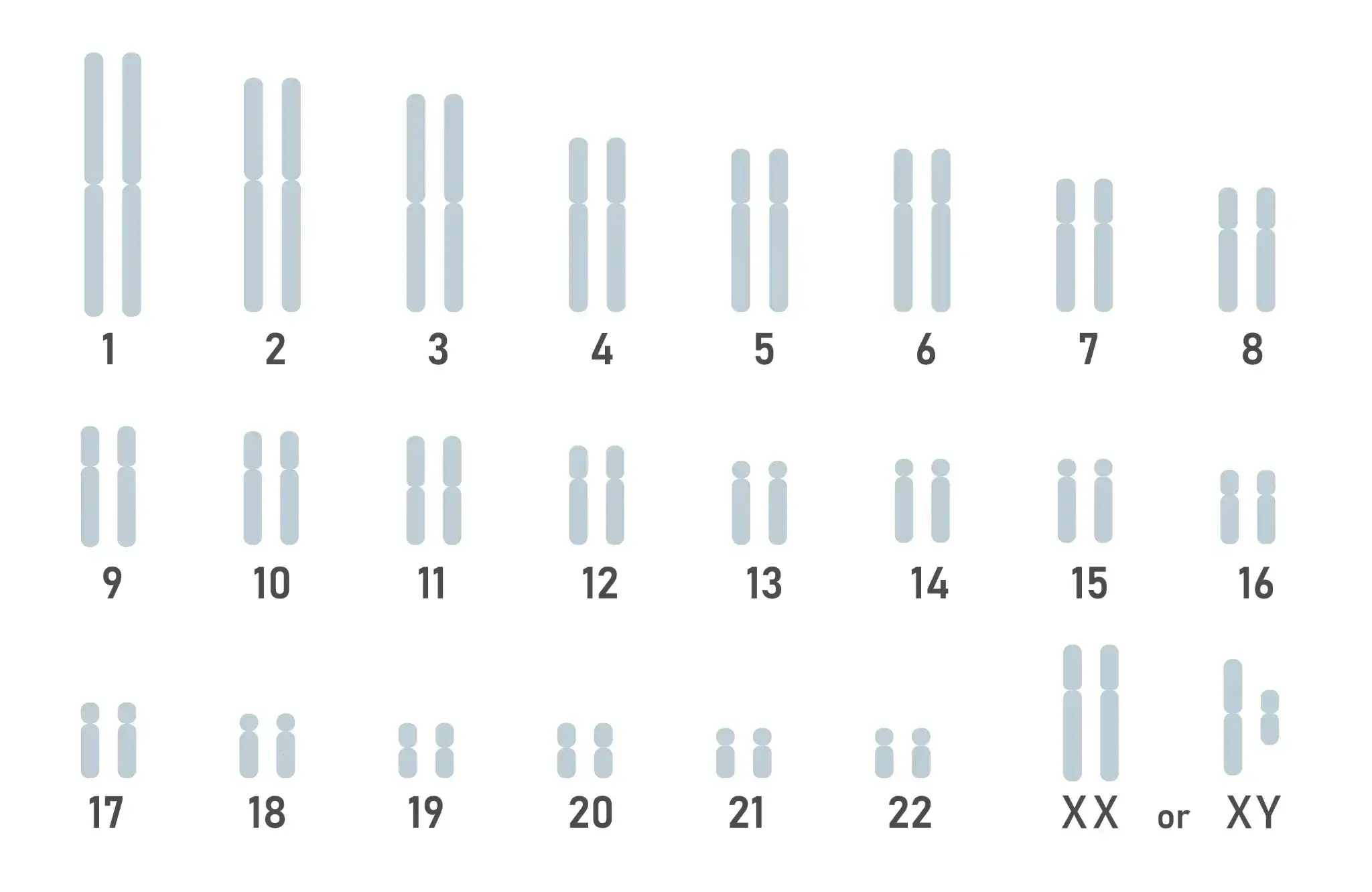
Schematic diagram of DNA map present in cells
- ■
- ■
- ■
- ■
- ■
- ■
- ■
- ■
- ■
Related genes
| Related genes | AFF2 |
|---|---|
| Related genes | SLC15A4 |
Frequently asked questions (FAQ)
Q1. What is basophilia?
Basophilia is a condition in which the number of basophils (a type of white blood cell) in the blood increases abnormally.Basophils are immune cells involved in allergic and inflammatory reactions and typically make up less than 1% of all white blood cells. The number increases with chronic myeloid leukemia (CML) and allergic diseases.
Q2. What is the cause of basophilia?
The main cause isBlood diseases such as chronic myeloid leukemia (CML) and polycythemiaIt is. Allergic reactions, hypothyroidism, and infections can also be causes. An abnormal increase in white blood cell production in the bone marrow also causes an increase in basophils.
Q3. What is the relationship between basophilia and genes?
According to research by Vuckovic et al. at the University of Cambridge,DNA region rs148665432 is associated with risk of basophiliaIt turns out that it is. People with the T mutation genotype tend to be at higher risk.
Q4. What is the treatment for basophilia?
Treatment varies depending on the underlying disease. CML hasTyrosine kinase inhibitors (TKIs)Antihistamines are used for allergies, steroids are used for inflammation, and antibiotics and antivirals are used for infections.
References
- Reference link 1: 2020 Sep., Dragana Vuckovic, Cell