
 Basophilia

- Basopenia is a condition in which the number of basophils in the blood decreases abnormally.It is caused by stress, hyperthyroidism, acute infection, etc.
- C-type mutation in DNA region rs113116706A University of Cambridge study found that people with
- Basophilia itself rarely shows direct symptoms, butIndicators of underlying diseaseimportant as
Overview Basopenia is a condition in which there are abnormally few basophils in the blood. Basophils are a type of white blood cell that make up less than 1% of all white blood cells. They release histamine and other chemicals that play an important role in allergic reactions, inflammation, and the immune response to parasitic infections. Vasopenia itself often has no obvious symptoms, but it can indicate an underlying problem or disease. These include stress, overproduction of cortisol, hyperthyroidism, acute infections, long-term steroid therapy, and certain severe allergic reactions. Vasopenia is usually detected by a complete blood test (CBC). The causes of vasopenia are many and varied, so its treatment focuses on the root cause. Vasopenia itself has few direct health effects, but is important as an indicator of other health problems. Therefore, it is important to address the conditions that cause vasopenia through testing and treatment. A study by Vuckovic et al. from the University of Cambridge revealed that the risk of developing basophilia is associated with a DNA region called rs113116706. There are three genotypes in this DNA region: TT, TC, and CC, and it was found that people with the C genotype tend to have a higher risk of basophilia.
What is basopenia?
Basopenia is an immune-related blood disorder in which there are abnormally few basophils in the blood.Basophils are a type of white blood cell that make up less than 1% of all white blood cells.
What is the role of basophils?
Basophils play important functions in the immune system, including:
- Histamine release:Mediates immediate hypersensitivity reactions in allergic reactions
- Regulation of inflammatory response:Promotes recruitment of immune cells to sites of inflammation
- Protection against parasitic infections:Involved in immune response to parasites
Causes of basophilia
The causes of basophilia are classified into six categories:
- Stress:Increased cortisol due to acute physical and mental stress
- Overproduction of cortisol:Endocrine disorders such as Cushing's syndrome
- Hyperthyroidism:Excessive secretion of thyroid hormone
- Acute infections:Immune response to bacterial and viral infections
- Long-term steroid therapy:Long-term use of corticosteroids
- Severe allergic reactions:Acute allergies such as anaphylaxis
Symptoms and diagnosis of basophilia
Basophilia itself isDoes not show clear symptomsMost cases. The discovery isComplete blood test (CBC)It is done by
- Almost no symptoms
- Often discovered incidentally during testing for other health problems
- Acts as a marker for underlying disease
Comparison of basophilia and related diseases
| Comparison items | Basophilia | basophilia |
|---|---|---|
| definition | Abnormal decrease in basophils | Abnormal increase in basophils |
| Main cause | Stress/hyperthyroidism/steroid therapy | Allergic diseases, chronic inflammation, myeloproliferative diseases |
| symptoms | Usually asymptomatic | Allergy symptoms/itchiness |
| Diagnostic method | Complete blood test (CBC) | Complete blood test (CBC) |
| Treatment policy | Treatment of root cause | Treatment of root cause |
treatment and management
Treatment of basophiliaIdentifying and addressing root causesfocus on.
- Stress management:Improving lifestyle habits and reducing stress
- Treatment of thyroid disease:Appropriate management of hyperthyroidism
- Review of steroid therapy:Adjustment of dosage and consideration of alternative drugs
- Treatment of infections:Appropriate use of antibacterial and antiviral drugs
Association between genes and basophilia
Relationship between DNA region rs113116706 and disease risk
A study by Vuckovic and colleagues at the University of Cambridge found that the DNA region rs113116706 is associated with the risk of developing basophilia.
- There are three genotypes of rs113116706: TT, TC, and CC.
- Genotype with type C mutationPeople with basophilia tend to be at higher risk for basophilia.
Genotype distribution in Japanese (rs113116706)
| Genotype | Percentage of Japanese people | percentage of the world |
|---|---|---|
| TT type | 99.9% | 86.8% |
| TC type | 0.1%以下 | 12.7% |
| CC type | 0.1%以下 | 0.4% |
Rationale for testing
Superficial DNA region: basophilia
The gene region that most strongly influences basophilia is rs113116706. The distribution of isomorphic genotypes in Japan is as follows.
- TT
99.9 % - TC
0.1%以下 - CC
0.1%以下
Another gene region involved in basophilia is rs12752037. The distribution of isomorphic genotypes in Japan is as follows
- AA
20.4 % - AC
49.5 % - CC
30.0 %
Another gene region involved in basophilia is rs2734950. The distribution of isomorphic genotypes in Japan is as follows
- CC
84.3 % - CT
15.0 % - TT
0.6 %
Another gene region involved in basophilia is rs4475963. The distribution of isomorphic genotypes in Japan is as follows
- TT
37.8 % - TG
47.3 % - GG
14.7 %
Basis for inspection
A study by Vuckovic et al. from the University of Cambridge revealed that the risk of developing basophilia is linked to genes. There are two types of mutations in the rs113116706 region, T and C, and people with the T type mutation tend to have a higher risk of basophilia.
The DNA region investigated this time
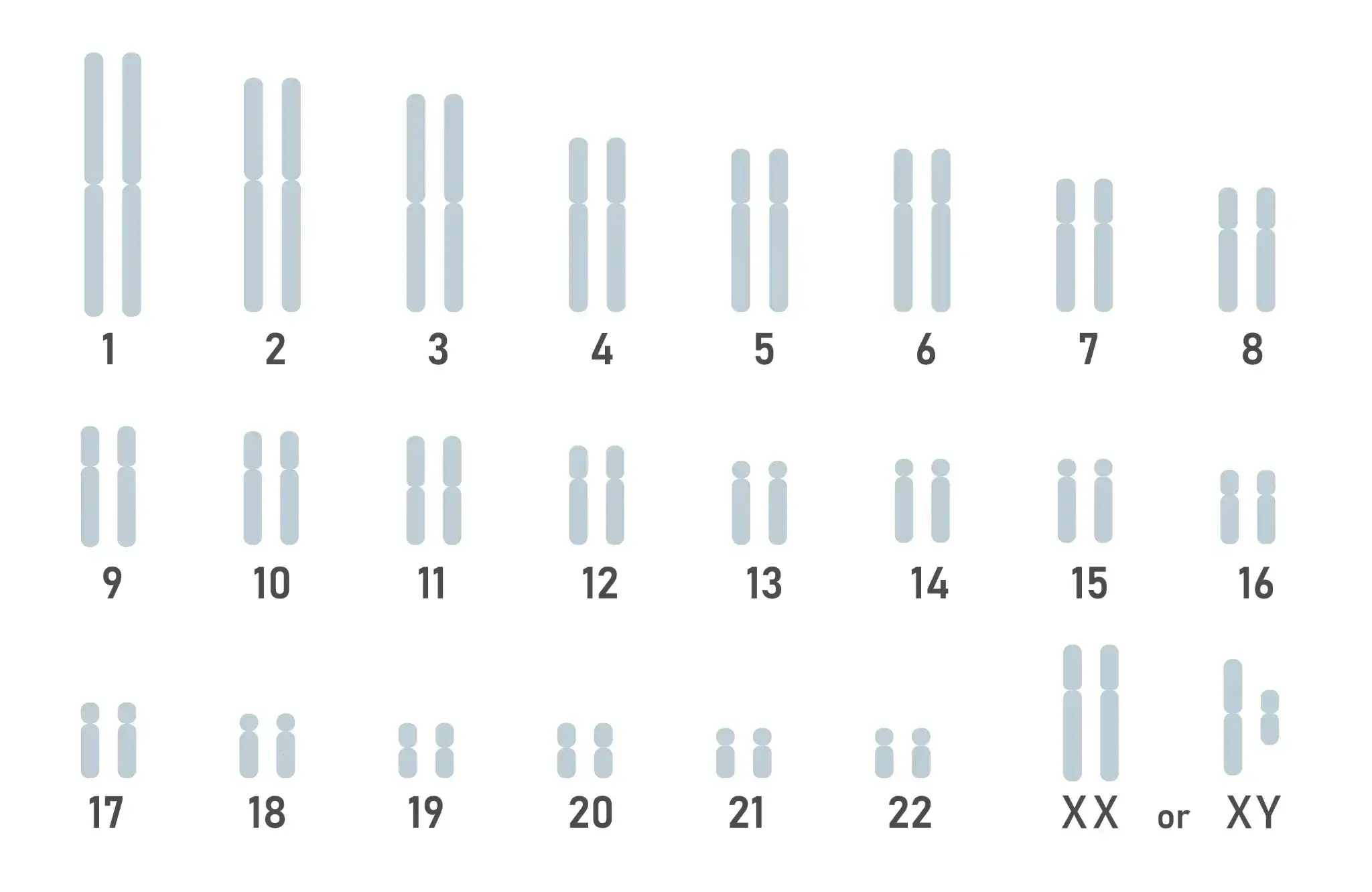
Schematic diagram of DNA map present in cells
- ■
- ■
- ■
- ■
- ■
- ■
- ■
- ■
- ■
Related genes
| Related genes | RPL7L1P11 |
|---|---|
| Related genes | Metazoa_SRP |
| Related genes | HCP5B |
| Related genes | SLC15A4 |
Frequently asked questions (FAQ)
Q1. What is basopenia?
Basopenia is a condition in which there are abnormally few basophils in the blood.Basophils are a type of white blood cell that make up less than 1% of all white blood cells and play an important role in the immune response to allergic reactions, inflammation, and parasitic infections.
Q2. What is the cause of basophilia?
The main cause isStress, overproduction of cortisol, hyperthyroidism, acute infections, long-term steroid therapyIt is. Carriers of type C mutation in the DNA region rs113116706 tend to be at higher risk.
Q3. What is the relationship between basophilia and genes?
According to research by Vuckovic et al. at the University of Cambridge,DNA region rs113116706 is associated with risk of basophiliaIt turns out that it is. People with the C mutation genotype tend to be at higher risk.
Q4. How is basophilia diagnosed?
Complete blood test (CBC)discovered by. Because basophils make up less than 1% of all white blood cells, accurate blood tests are required to detect a decrease.
Q5. What is the treatment for basophilia?
Basophilia itself has little direct impact on health, and treatment is limited.Focus on root causeguess. It is important to address the underlying condition, including stress management, treatment of thyroid disease, and adjustment of steroid therapy.
References
- Reference link 1: 2020 Sep., Dragana Vuckovic, Cell
- Reference link 2: 2023 Aug., Parsa Akbari, Nat Commun
- Reference link 3: 2020 Sep., Ming-Huei Chen, Cell