
 Good autonomic nervous system function

- The autonomic nervous system (ANS) is composed of sympathetic and parasympathetic nerves and automatically adjusts physiological functions such as heart rate, blood pressure, and digestion.It is a system that
- Type C mutation in DNA region rs6123471Research has found that people with
- Heart rate variability (HRV)is a non-invasive index that quantitatively evaluates autonomic nervous balance, and high HRV indicates good adaptability.
Overview The autonomic nervous system (ANS) has an important role in maintaining the body's homeostasis and regulating physiological processes. The ANS is divided into two parts: the sympathetic nervous system (SNS) and the parasympathetic nervous system (PNS). SNS triggers the “fight or flight” response by increasing heart rate, blood pressure, and blood sugar levels during times of stress or exercise. PNS, on the other hand, induces a "rest and digest" response that promotes relaxation, lowers heart rate, lowers blood pressure, and promotes digestion and recovery. Heart rate variability (HRV) is a non-invasive indicator that reflects the balance between the SNS and PNS. HRV analysis is a useful means of assessing ANS function, with high HRV indicating good autonomic balance and adaptability. Conversely, decreased HRV is associated with cardiovascular disease, diabetes, and psychological disorders, suggesting decreased ANS function. In summary, HRV measurement is an important metric for assessing ANS function, which is important for maintaining overall health and well-being. However, individual factors must be considered when interpreting HRV results. Research by Nolte et al. at the University of Groningen revealed that autonomic nervous system function is associated with a DNA region called rs6123471. There are three genotypes in this DNA region: TT, TC, and CC, and it has been found that people with the C genotype tend to have a higher risk of developing problems with autonomic nervous system function.
What is autonomic nervous system function?
The autonomic nervous system (ANS) is a system that maintains the body's homeostasis and automatically controls physiological processes such as heart rate, blood pressure, digestion, and body temperature regulation.The ANS is divided into two parts: the sympathetic nervous system (SNS) and the parasympathetic nervous system (PNS).
Difference between sympathetic and parasympathetic nerves
The autonomic nervous system is two diametrically opposed nervous systems that work together.
| Comparison items | Sympathetic nervous system (SNS) | Parasympathetic nervous system (PNS) |
|---|---|---|
| role | fight or flight response | Rest/digestion response |
| heart rate | raise | lower |
| blood pressure | raise | lower |
| blood sugar level | raise | No impact |
| digestive function | suppress | promote |
| activation scene | During stress/exercise | Relaxing/Sleeping |
What is HRV (heart rate variability)?
Heart rate variability (HRV) is a non-invasive indicator that reflects the balance of sympathetic and parasympathetic nerves.HRV analysis is widely used in clinical practice and research as a means of quantitatively evaluating ANS function.
- If HRV is high:Indicates good autonomic nervous balance and adaptability
- If HRV is low:It has been reported that it is associated with cardiovascular disease, diabetes, depression, etc.
Causes of decreased HRV
A decrease in HRV suggests a decrease in ANS function, and the following factors are involved.
- chronic stress
- lack of exercise
- Decreased sleep quality
- aging
- Genetic factors (DNA region rs6123471, etc.)
How to improve autonomic nervous system function
The following methods are effective for improving ANS function.
- Regular aerobic exercise:Contributes to improving HRV
- Deep breathing/meditation:Activates parasympathetic nerves
- Adequate sleep:Promotes recovery of autonomic nerves
- Stress management:Reducing chronic stress
Relationship between genes and autonomic nervous system function
Relationship between DNA region rs6123471 and ANS function risk
A 2017 study by Nolte et al. at the University of Groningen (1) found that the DNA region rs6123471 is associated with autonomic nervous system function.
- There are three genotypes of rs6123471: TT, TC, and CC.
- Genotype with type C mutationpeople tend to be at higher risk of developing problems with ANS function.
Genotype distribution in Japanese (rs6123471)
| Genotype | Percentage of Japanese people | percentage of the world |
|---|---|---|
| TT type | 25.4% | 29.8% |
| TC type | 49.9% | 49.5% |
| CC type | 24.5% | 20.5% |
Rationale for testing
Surface DNA region: Good autonomic nervous system function
The gene region that most strongly influences autonomic nervous system function is rs6123471. The distribution of isomorphic genotypes in Japan is as follows.
- TT
25.4 % - TC
49.9 % - CC
24.5 %
Basis for inspection
A 2017 study by Nolte and colleagues at the University of Groningen revealed that autonomic nervous system function is linked to genes. There is a region called rs6123471 in the human genome, and there are two types of mutations, T and C, in the gene in this region. It has been found that people with the type C mutation tend to have a higher risk of developing problems with autonomic nervous system function (1).
The DNA region investigated this time
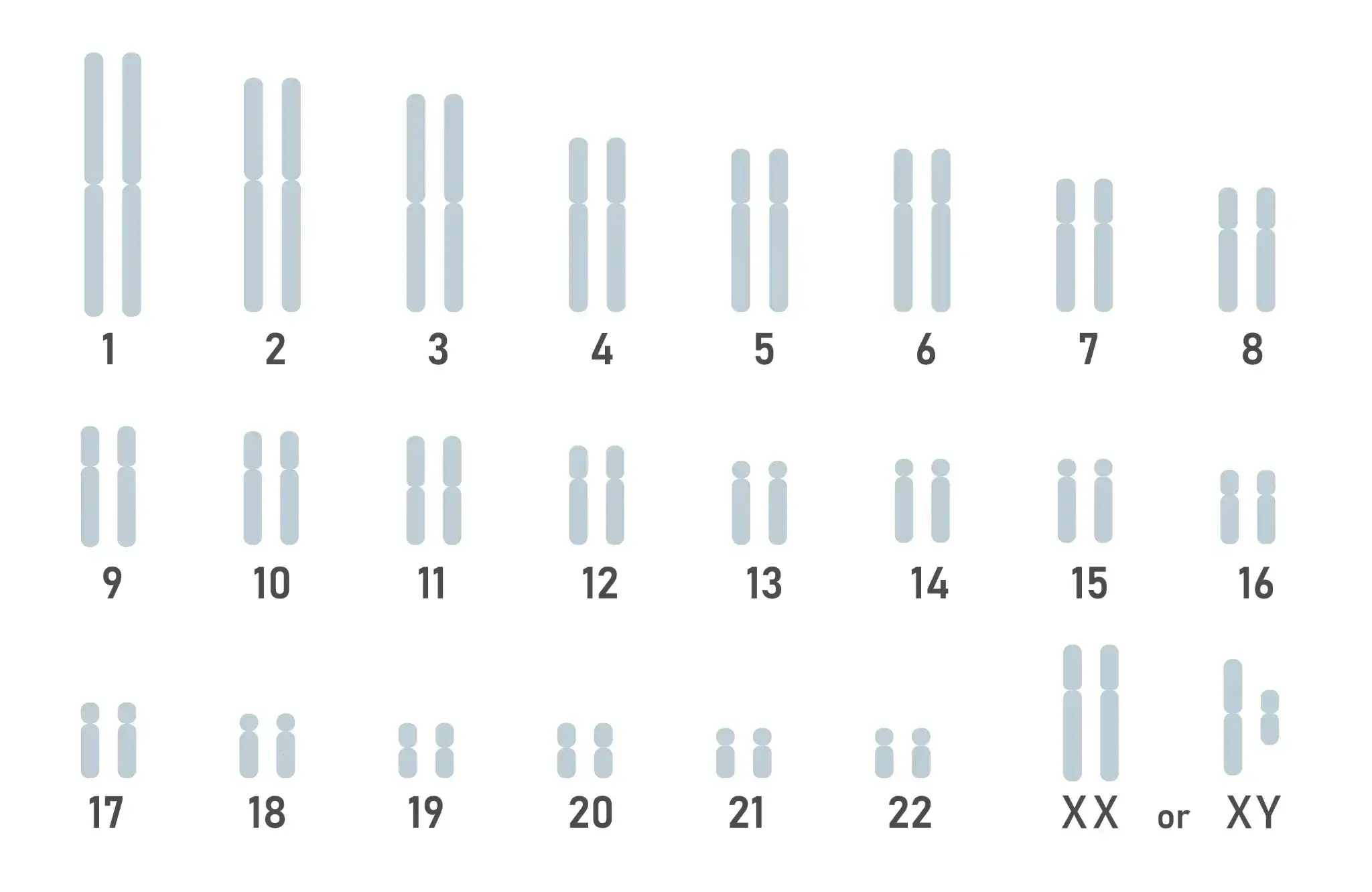
Schematic diagram of DNA map present in cells
- ■
- ■
- ■
- ■
- ■
- ■
- ■
- ■
- ■
Related genes
| Related genes | KIAA1755 |
|---|
Frequently asked questions (FAQ)
Q1. What is autonomic nervous system function?
The autonomic nervous system (ANS) is composed of the sympathetic nervous system (SNS) and the parasympathetic nervous system (PNS), and is a system that automatically adjusts physiological functions such as heart rate, blood pressure, and digestion.The functional balance can be quantitatively evaluated using heart rate variability (HRV).
Q2. What happens if HRV (heart rate variability) is low?
Decrease in HRVAutonomic nervous system dysfunctionsuggests. It has been reported to be associated with psychological disorders such as cardiovascular disease, diabetes, and depression. High HRV indicates good autonomic balance and adaptability.
Q3. What are the genes involved in autonomic nervous system function?
A 2017 study by Nolte et al. from the University of Groningen found thatDNA region rs6123471 is associated with autonomic nervous system functionIt turns out that. People with the C mutation genotype tend to be at increased risk of developing problems with ANS function (1).
Q4. What is the difference between sympathetic and parasympathetic nerves?
The sympathetic nervous system (SNS) increases heart rate, blood pressure, and blood sugar levels during times of stress."fight or flight response"I will carry the. The parasympathetic nervous system (PNS) lowers heart rate and blood pressure and promotes digestion when relaxed."Rest and Digestion Response"I will carry the.
References
- Reference link 1: 2017 Jun., Ilja M Nolte, Nat Commun