
 atopic dermatitis
- Atopic dermatitis is a chronic inflammatory skin disease caused by immune abnormalities and decreased skin barrier function.In Japan, approximately 10-15% of infants are affected.
- G-type mutation in DNA region rs13015714A RIKEN study found that people with the disease tend to have a higher risk of developing the disease.
- appropriateMoisturizing, drug therapy, allergen avoidanceIt is possible to control symptoms and prevent recurrence.
Overview Atopic eczema, also called atopic dermatitis, is an inflammatory skin disease that recurs chronically. It primarily occurs in infants and children, but may persist into adulthood. The main symptoms of atopic eczema include intense itching, dryness, redness, and flaky skin. These symptoms are especially worse at night, and the itching can also cause sleep problems. Repeated scratching can also cause damage to the skin, increasing the risk of eczema spreading and infection. Eczema is most commonly found on soft areas of the skin, such as the face, neck, inside of the elbows, and behind the knees, but it can spread all over the body. The pathogenesis of atopic eczema involves genetic factors, immune function, and skin barrier dysfunction. Patients often have other allergic diseases such as allergic rhinitis and asthma, and this condition is called "atopic march." Furthermore, the skin barrier function is weakened, making it easier for allergens and irritants to penetrate the skin, causing allergic reactions and inflammation. Diagnosis of atopic eczema is mainly made by checking clinical symptoms. Tests such as patch tests and serum IgE measurements will be performed as necessary. Treatment involves avoiding allergens and irritants, keeping the skin clean and moisturized, and using steroids, immunomodulators, and antihistamines depending on the symptoms. Research by Hirota et al. at RIKEN revealed that the risk of developing atopic dermatitis is associated with the DNA region rs13015714. There are three genotypes in this DNA region: GG, GT, and TT, and it was found that people with the G genotype tend to have a higher risk of atopic dermatitis.
What is atopic dermatitis?
Atopic dermatitis (atopic eczema) is a chronic inflammatory skin disease that is complicated by abnormalities in immune function and decreased skin barrier function.In Japan, approximately 10-15% of infants and 2-3% of adults are affected.
Causes and mechanisms of atopic dermatitis
The following three factors are involved in the development of atopic dermatitis.
- Decrease in skin barrier function:Due to mutations in the filaggrin gene, the moisturizing function of the stratum corneum decreases, making it easier for allergens to invade.
- Immune system abnormalities:Th2 type immune response is overactivated and IgE antibody production increases
- Environmental factors:Dust mites, pollen, food allergens, dryness, stress, and sweating worsen symptoms.
The main risk factors are:
- Genetic predisposition (One of the parents has a predisposition to atopic dermatitis(infection rate rises to approximately 50% in patients with
- Filaggrin gene (FLG) mutations
- G-type mutation in DNA region rs13015714
- Urban living environment/excessive focus on cleanliness
Main symptoms of atopic dermatitis
The symptoms areChronically repeating relapse and remissionIt is characterized by this.
- Severe itching (especially worse at night, causing sleep disturbances)
- Dry skin, erythema, papules
- Skin erosion/infiltration due to scratching
- Chronic lichenification (skin becomes thick and hard)
- Common areas: face, neck, inside of elbows, back of knees
Difference between atopic dermatitis and contact dermatitis
| Comparison items | atopic dermatitis | contact dermatitis |
|---|---|---|
| cause | Genetic predisposition + immune abnormality + impaired barrier function | Contact with certain substances |
| Age of onset | Commonly occurring in early childhood | Regardless of age |
| progress | Chronic/recurrent | Improvement by removing the cause |
| genetic factors | strong association | low relevance |
| IgE level | Often shows high values | normal value |
| treatment | Moisturizing + steroid + immunomodulator | Avoidance of causative substances + topical drugs |
Complication risk of atopic dermatitis (atopic march)
Atopic dermatitis is a disease in which the following diseases occur in stages:atopic march' may cause.
- bronchial asthma(Approximately 30-50% of atopic dermatitis patients develop)
- allergic rhinitis(Including hay fever)
- food allergy(especially in infancy)
- skin infection(Kaposi varicella-like exanthema, contagious impetigo, etc.)
Diagnostic method
Diagnosis is made through the following tests and evaluations.
- Observation of clinical symptoms (itch, eczema distribution, chronic course)
- Measurement of serum IgE level
- Patch test (allergen identification)
- Measurement of TARC (Thymus and Activation-Regulated Chemokine) value
Treatment of atopic dermatitis
Treatment is based on the following three pillars:
- Skin care:Reinforcement of skin barrier function through daily use of moisturizers
- Drug therapy:Topical steroids, tacrolimus ointment, JAK inhibitors, dupilumab (biologics)
- Removal of aggravating factors:Allergen avoidance, proper bathing methods, stress management
Relationship between genes and atopic dermatitis
Relationship between DNA region rs13015714 and onset risk
A study by Hirota et al. (1) from RIKEN revealed that the DNA region rs13015714 is associated with the risk of developing atopic dermatitis.
- There are three genotypes of rs13015714: GG, GT, and TT.
- Genotype with type G mutationpeople tend to be at higher risk of atopic dermatitis
Genotype distribution in Japanese (rs13015714)
| Genotype | Percentage of Japanese people | percentage of the world |
|---|---|---|
| GG type | 13.7% | 5.8% |
| GT type | 46.6% | 36.7% |
| TT type | 39.6% | 57.4% |
Compared to the world average, the JapaneseHigh proportion of GG and GT types, the prevalence of type G mutations tends to be high.
Rationale for testing
Surface DNA region: atopic dermatitis
The gene region that most strongly affects atopic dermatitis is rs13015714. The distribution of isomorphic genotypes in Japan is as follows.
- GG
13.7 % - GT
46.6 % - TT
39.6 %
Basis for inspection
Research by Hirota et al. at RIKEN revealed that the risk of developing atopic dermatitis is related to genes. There is a region called rs13015714 in the human genome, and there are two types of mutations, G and T, in the gene in this region. It was found that people with type G mutations tend to have a higher risk of atopic dermatitis (1).
The DNA region investigated this time
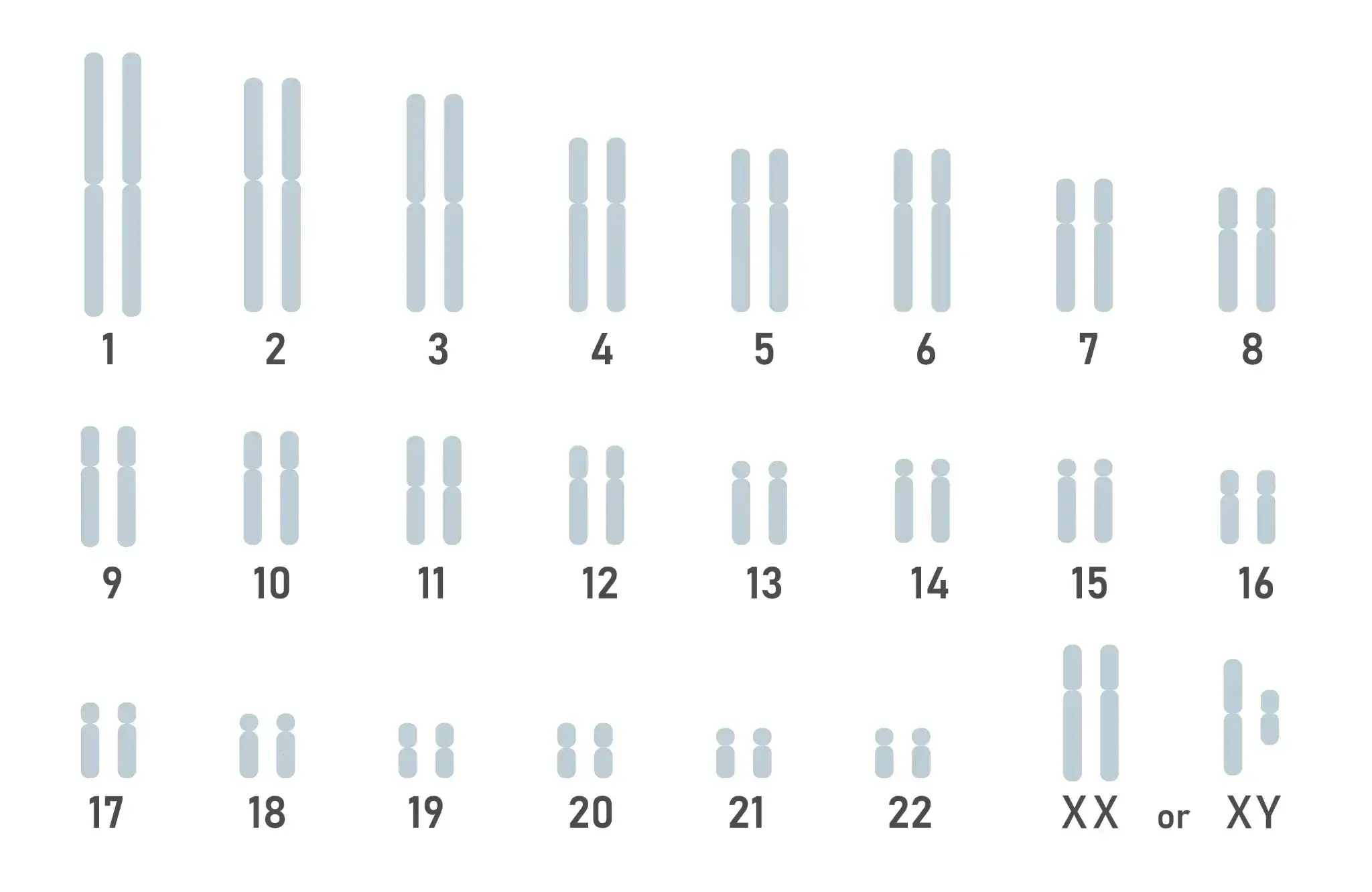
Schematic diagram of DNA map present in cells
- ■
- ■
- ■
- ■
- ■
- ■
- ■
- ■
- ■
Related genes
| Related genes | IL18R1 |
|---|
Frequently asked questions (FAQ)
Q1. What is atopic dermatitis?
Atopic dermatitis (atopic eczema) is a chronic inflammatory skin disease that is complicated by abnormalities in immune function and decreased skin barrier function.Approximately 10-15% of infants and children in Japan are affected, and the main symptoms are severe itching, dryness, and erythema (1).
Q2. What is the cause of atopic dermatitis?
The main cause isDecreased skin barrier function and immune system overreactionIt is. Filaggrin gene mutations, environmental factors (allergens, stress, dryness), and genetic predisposition are the main risk factors. Carriers of the G mutation in the DNA region rs13015714 tend to be at increased risk (1).
Q3. What is the difference between atopic dermatitis and contact dermatitis?
Atopic dermatitis isGenetic predisposition and immune abnormalitiesIt is a chronic disease caused by cancer that often occurs in early childhood. Contact dermatitis isContact with certain substancesThis is the cause and can be improved by removing the causative substance.
Q4. Can genetic testing determine the risk of atopic dermatitis?
By examining the genotype of DNA region rs13015714,Understanding trends in the risk of developing atopic dermatitisYou can. Studies have shown that people with the G mutation genotype tend to be at higher risk (1).
Q5. Can atopic dermatitis be completely cured?
With proper treatment and skin carecontrol symptomsYou can. In approximately 60-70% of cases of onset during infancy, symptoms subside by adolescence. However, complete cure is difficult and long-term management is required.
References
- Reference link 1: 2012 Nov., Tomomitsu Hirota, Nat Genet