
 atherosclerosis
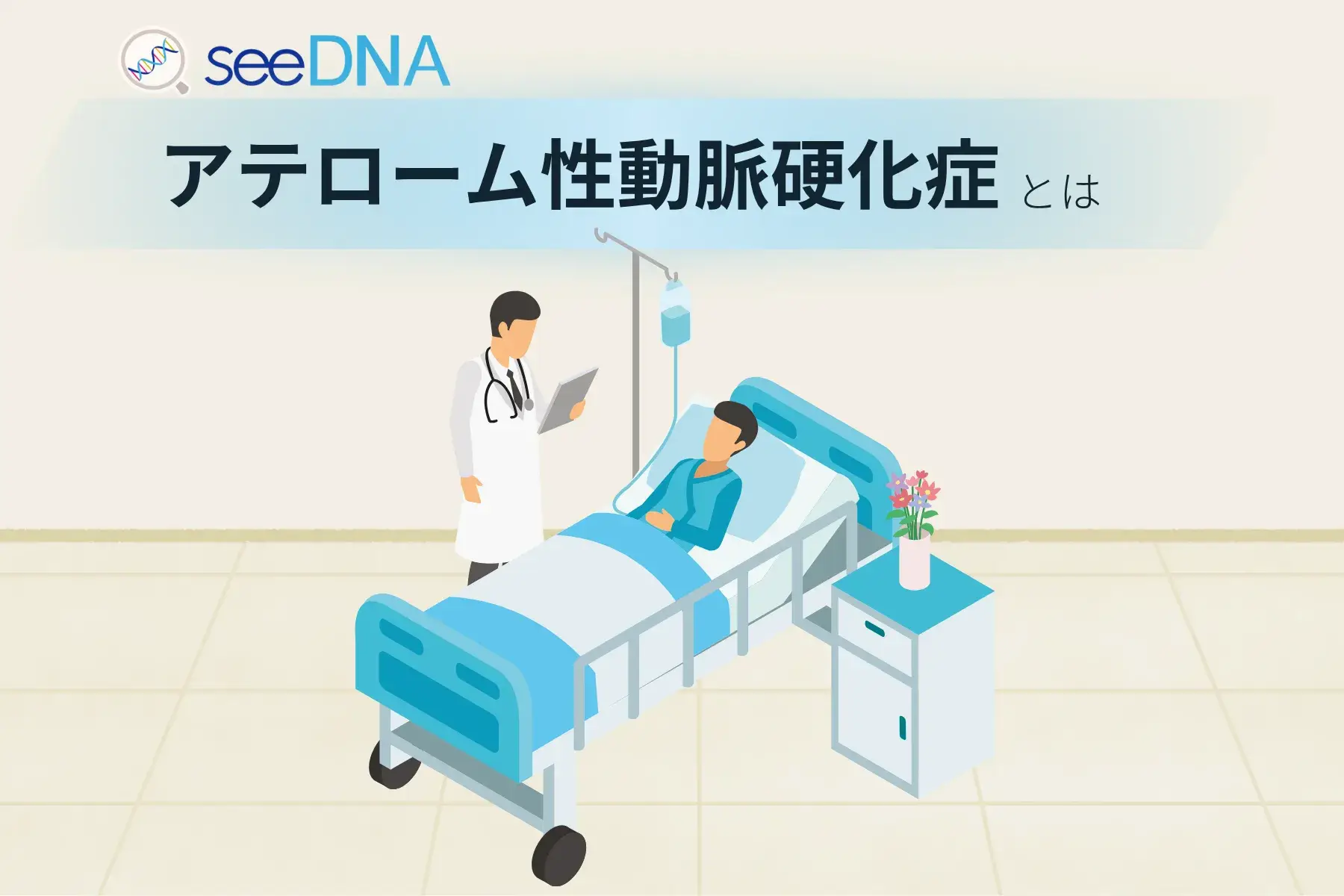
- Atherosclerosis is a chronic disease in which lipids accumulate on artery walls, forming plaques and narrowing blood vessels.It is the main cause of myocardial infarction and stroke.
- C-type mutation in DNA region rs17477177Research shows that people with the disease tend to be at higher risk of developing
- appropriateLipid management, blood pressure management, smoking cessation, exercise habitsIt is possible to reduce the risk of onset and prevent progression.
Overview Increased maximal carotid intima-media complex thickness (cIMTmax) and carotid plaque are signs of atherosclerosis. cIMTmax is an index that measures the thickness of the intima and media of the carotid artery using ultrasound, and indicates early changes in arteriosclerosis. The arterial blood vessel wall consists of three layers: intima, media, and adventitia, and the intima and media are usually thin. However, as arteriosclerosis progresses, blood vessel walls become thicker due to lipid deposition, inflammation, and smooth muscle cell proliferation, leading to an increase in cIMTmax. Carotid plaque is an atherosclerotic lesion that forms in the carotid artery. Plaques include a lipid core, a fibrous capsule, an inflammatory cell infiltrate, and calcification. This narrows blood vessels and changes blood flow, which can lead to complications such as stroke. Increased cIMTmax and appearance of carotid plaque are important signs of atherosclerosis. By examining cIMTmax and plaque using ultrasound, it is possible to detect arteriosclerosis early, reduce the risk of cardiovascular and cerebrovascular diseases, and develop preventive and treatment strategies. A study by Yeung et al. at the University of Groningen revealed that the risk of developing atherosclerosis is associated with a DNA region called rs17477177. There are three genotypes in this DNA region: TT, CT, and CC, and it was found that people with the C genotype tend to have a higher risk of atherosclerosis.
What is atherosclerosis?
Atherosclerosis is a chronic progressive vascular disease in which cholesterol and lipids accumulate on the inner walls of arteries, forming plaques that narrow and harden the lumens of blood vessels.According to the World Health Organization (WHO), cardiovascular disease is the number one cause of death worldwide, and the underlying disease is atherosclerosis.
Causes and mechanisms of atherosclerosis
Atherosclerosis progresses through the following processes:
- Damage to vascular endothelium:High blood pressure, smoking, and high blood sugar damage vascular endothelial cells
- Invasion of LDL cholesterol:LDL enters the subintimal region from the injured area and is oxidized.
- Formation of foam cells:Macrophages phagocytose oxidized LDL and transform into foam cells
- Plaque growth:Plaque enlarges due to smooth muscle cell proliferation and lipid accumulation
The main risk factors are:
- High LDL cholesterol (LDL≧140mg/dL)
- Hypertension (systolic ≥140mmHg or diastolic ≥90mmHg)
- Smoking (approximately 2-3 times increased risk compared to non-smokers)
- Diabetes (promotes vascular endothelial damage)
- Genetic predisposition (family history/C type mutation in DNA region rs17477177)
What is cIMTmax (carotid intima-media complex thickness)?
cIMTmax is an index that measures the thickness of the intima and media of the carotid artery using ultrasound.and is used as an early marker of arteriosclerosis.
- Normal value:Less than 1.0mm
- Boundary value: 1.0~1.1mm
- Abnormal value:1.1mm or more(Signs of arteriosclerosis)
The arterial blood vessel wall is composed of three layers: intima, media, and adventitia. As arteriosclerosis progresses, the intima and media thicken due to lipid deposition, inflammation, and smooth muscle cell proliferation, leading to an increase in cIMTmax.
What is carotid plaque?
Carotid plaque is a localized arteriosclerotic lesion that forms in the carotid artery.It is.
- lipid core (contains cholesterol crystals)
- fibrous coating
- Inflammatory cell infiltration
- calcification
Plaque narrows blood vessels and changes blood flow, causingstrokeThis may cause Rupture of plaque causes acute thrombus formation, which is a direct cause of myocardial infarction and cerebral infarction.
Main symptoms of atherosclerosis
In the early stagesAsymptomaticIn most cases. As the disease progresses, the following symptoms appear.
- Coronary artery lesions:Chest pain (angina), shortness of breath
- Cerebrovascular lesions:Transient ischemic attack (TIA), dizziness
- Peripheral arterial lesions:Intermittent claudication (leg pain when walking)
- Renal artery lesions:worsening of hypertension
Difference between atherosclerosis and other arteriosclerosis
| Comparison items | atherosclerosis | Mönckeberg arteriosclerosis | arteriole sclerosis |
|---|---|---|---|
| Lesion site | Intima of large and medium-sized arteries | Media of medium-sized arteries | Entire small artery |
| Main cause | Lipid accumulation/inflammation | calcification | High blood pressure/diabetes |
| Clinical impact | Myocardial infarction/stroke | vascular calcification | Organ failure (kidney/brain) |
| frequency | most frequent | relatively rare | Common in elderly people |
Complication risk
If atherosclerosis is left untreated, it can lead to the following complications:
- Myocardial infarction:Acute blood clot due to rupture of plaque in coronary artery
- Stroke:Occlusion or bleeding in cerebral blood vessels
- Peripheral artery disease (PAD):Blood flow disorder in the lower extremities
- Aortic aneurysm:Aneurysm formation due to weakening of the artery wall
- Renal artery stenosis:Renal dysfunction/treatment-resistant hypertension
Prevention method
The risk of developing the disease can be reduced by making the following lifestyle changes.
- LDL cholesterol levelLess than 120mg/dLmaintain to
- blood pressureLess than 130/80mmHgmanaged by
- No smoking(Risk decreases by approximately 50% within 5 years of quitting smoking)
- 1 day30 minutes or moreaerobic exercise
- Intake of meals containing dietary fiber and omega-3 fatty acids
- Maintaining a healthy weight (BMI 18.5-24.9)
Relationship between genes and atherosclerosis
Relationship between DNA region rs17477177 and risk of developing disease
A study by Yeung et al. at the University of Groningen (1) revealed that the DNA region rs17477177 is associated with the risk of developing atherosclerosis.
- There are three genotypes of rs17477177: TT, TC, and CC.
- Genotype with type C mutation(TC type/CC type) people tend to be at higher risk
Genotype distribution in Japanese (rs17477177)
| Genotype | Percentage of Japanese people | percentage of the world |
|---|---|---|
| TT type | 83.4% | 64.4% |
| TC type | 15.8% | 31.6% |
| CC type | 0.7% | 3.8% |
The percentage of Japanese people with the TT type (low-risk type) is 83.4%, which is higher than the world average (64.4%), and the percentage of people with type C mutation tends to be lower than the world average.
Rationale for testing
Superficial DNA region: atherosclerosis
The gene region that most strongly influences atherosclerosis is rs17477177. The distribution of isomorphic genotypes in Japan is as follows.
- TT
83.4 % - TC
15.8 % - CC
0.7 %
Basis for inspection
A study by Yeung et al. at the University of Groningen revealed that the risk of developing atherosclerosis is linked to genes. There are two types of mutations in the rs17477177 region, T and C, and people with type C mutations tend to have a higher risk of atherosclerosis (1).
The DNA region investigated this time
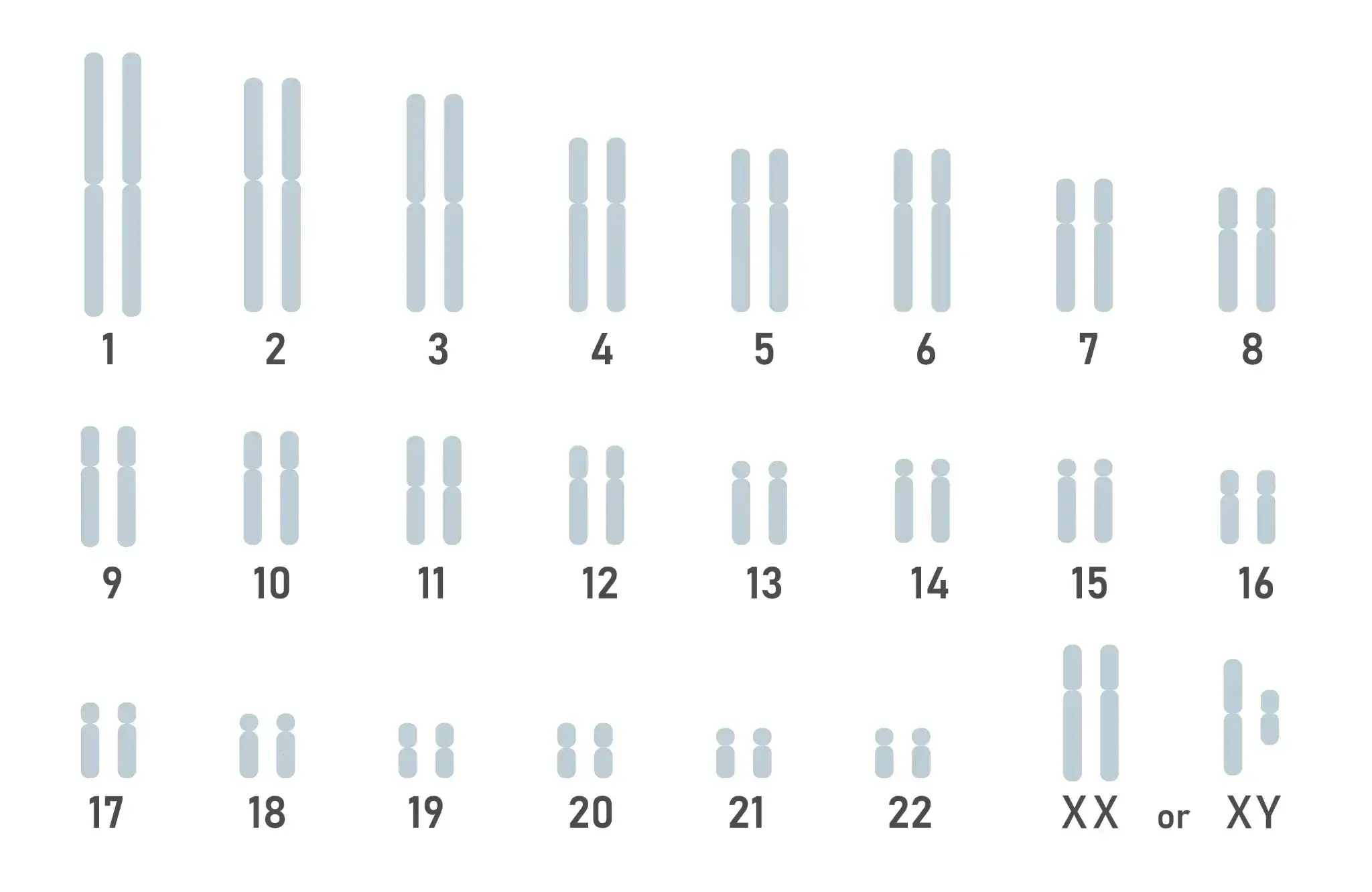
Schematic diagram of DNA map present in cells
- ■
- ■
- ■
- ■
- ■
- ■
- ■
- ■
- ■
Related genes
| Related genes | CCDC71L |
|---|
Frequently asked questions (FAQ)
Q1. What is atherosclerosis?
Atherosclerosis is a chronic progressive vascular disease in which cholesterol and lipids accumulate on the inner walls of arteries, forming plaques that narrow and harden the lumens of blood vessels.It is a major cause of myocardial infarction and stroke, and is the underlying lesion of cardiovascular disease, which is the number one cause of death worldwide (1).
Q2. What is the cause of atherosclerosis?
The main cause isHigh LDL cholesterol, high blood pressure, smoking, diabetes, obesityIt is. These factors damage the vascular endothelium, and LDL cholesterol invades under the intima and is oxidized, forming plaque. Carriers of type C mutation in the DNA region rs17477177 tend to be at higher risk (1).
Q3. What is cIMTmax?
cIMTmax is an early marker of arteriosclerosis that measures the thickness of the intima and media of the carotid artery using ultrasound.It is. The normal value is less than 1.0 mm, and 1.1 mm or more is considered a sign of arteriosclerosis. The progress of arteriosclerosis can be evaluated non-invasively.
Q4. Can genetic testing determine the risk of atherosclerosis?
By examining the genotype of the DNA region rs17477177,Understanding trends in the risk of developing atherosclerosisYou can. A study at the University of Groningen found that people with the C genotype (TC and CC) tend to be at higher risk (1).
Q5. How to prevent atherosclerosis?
LDL cholesterol levelLess than 120mg/dLmaintain,No smoking, aerobic exercise for at least 30 minutes a day, a diet containing dietary fiber and omega-3 fatty acids, and lower blood pressure.Less than 130/80mmHgIt is effective to manage the If you have a high genetic risk, early lifestyle changes are recommended.
References
- Reference link 1: 2022 Apr., Ming Wai Yeung, Arterioscler Thromb Vasc Biol
- Reference link 2: 2018 Dec., Nora Franceschini, Nat Commun