
 Aortic calcification

- Aortic valve calcification is a disease in which calcium deposits and hardens the aortic valve of the heart.As it progresses, it causes aortic stenosis and restricts blood flow.
- G-type mutation in DNA region rs10455872A McGill University study finds that people with
- The prevalence of type G mutation (AG+GG) in Japanese people isLess than 0.1%This is an extremely low percentage compared to the world average of 11.8%.
Overview Aortic valve calcification is a condition in which calcium deposits and hardens the aortic valve of the heart. The aortic valve controls the flow of blood in one direction and plays an important role in transporting oxygen from the heart to the rest of the body. Over time, calcium is deposited on the leaflets of the valve, which can cause hardening and thickening. This calcification can impair the aortic valve's ability to open and close completely, restricting blood flow. This condition is known as aortic stenosis. Aortic valve calcification and aortic stenosis are associated with symptoms such as chest pain, fatigue, shortness of breath with exertion, dizziness, fainting, and abnormal heartbeat. This progression varies from person to person and is influenced by age, genetic factors, and health conditions such as high blood pressure, high cholesterol, and diabetes. Imaging tests such as echocardiograms are commonly used to assess the extent of calcification and its effect on heart function. A study by Thanassoulis et al. at McGill University revealed that the risk of developing aortic calcification is associated with a DNA region called rs10455872. There are three genotypes in this DNA region: AA, AG, and GG, and it was found that people with the G genotype tend to have a higher risk of aortic calcification.
What is aortic calcification?
Aortic valve calcification is a condition in which calcium deposits and hardens the aortic valve of the heart.The aortic valve controls blood flow in one direction and plays an important role in transporting oxygen from the heart to the rest of the body.
Causes of aortic calcification
As we age, calcium accumulates in the valve leaflets, causing them to harden and thicken. The main causes and risk factors are as follows.
- Aging:Calcification of the aortic valve is found in approximately 25% of people over 65 years of age.
- High blood pressure:Sustained pressure on blood vessel walls promotes calcification
- High cholesterol:Lipid abnormalities cause lipid deposition in valves
- Diabetes:Abnormal blood sugar levels affect calcium metabolism
- Genetic factors:G-type mutation in DNA region rs10455872 is associated with increased risk
Main symptoms of aortic calcification
When the opening and closing function of the aortic valve is impaired due to calcification, the following symptoms appear.
- Chest pain:Chest pain or tightness due to insufficient blood flow to the heart
- Feeling of fatigue:Chronic fatigue due to decreased blood flow throughout the body
- Shortness of breath:Difficulty breathing when exercising or climbing stairs
- Dizziness/fainting:Temporary loss of consciousness due to lack of blood flow to the brain
- Abnormal heartbeat:Heart rhythm disorders such as arrhythmia and palpitations
Difference between aortic calcification and aortic stenosis
| Comparison items | Aortic calcification | aortic stenosis |
|---|---|---|
| definition | Calcium deposits in the aortic valve | A condition in which the valve narrows due to calcification and blood flow is restricted. |
| symptoms | In the early stages, there are often no symptoms | Significant symptoms such as chest pain, shortness of breath, dizziness, and fainting |
| Progress | Mild to moderate calcium deposits | Significant decline in valve function due to advanced calcification |
| treatment | Follow-up observation/improvement of lifestyle habits | Valve replacement surgery (TAVR/SAVR) may be indicated. |
How to diagnose aortic calcification
The following tests are used to evaluate the degree of calcification and its effect on heart function.
- Echocardiography (echocardiogram):Observe valve movement and degree of calcification in real time
- CT examination:Quantitative measurement of calcium score
- Electrocardiogram:Detects abnormalities in heart electrical activity
Relationship between genes and aortic calcification
Relationship between DNA region rs10455872 and aortic calcification
A study by Thanassoulis et al. from McGill University revealed that the risk of aortic calcification is associated with the DNA region rs10455872.
- There are three genotypes of rs10455872: AA, AG, and GG.
- Genotype with type G mutation(AG type/GG type) people tend to have a higher risk of aortic calcification
- The related gene is LPA (gene encoding lipoprotein (a))
Comparison of genotype distribution in Japanese and the world (rs10455872)
| Genotype | Percentage of Japanese people | percentage of the world |
|---|---|---|
| AA type | 99.9% | 88.0% |
| AG type | 0.1%以下 | 11.5% |
| GG type | 0.1%以下 | 0.3% |
The G mutation prevalence rate (AG+GG) in Japanese people isLess than 0.1%This is an extremely low percentage compared to the global average of 11.8%. This indicates that the rs10455872 risk variant associated with aortic calcification is rare in the Japanese population.
Rationale for testing
Superficial DNA region: aortic calcification
The gene region that most strongly influences aortic calcification is rs10455872. The distribution of isomorphic genotypes in Japan is as follows.
- AA
99.9 % - AG
0.1%以下 - GG
0.1%以下
Basis for inspection
A study by Thanassoulis et al. at McGill University revealed that the risk of developing aortic calcification is associated with genes. There is a region called rs10455872 in the human genome, and there are two types of mutations, A and G, in the gene in this region. It was found that people with type A mutations tend to have a higher risk of aortic calcification.
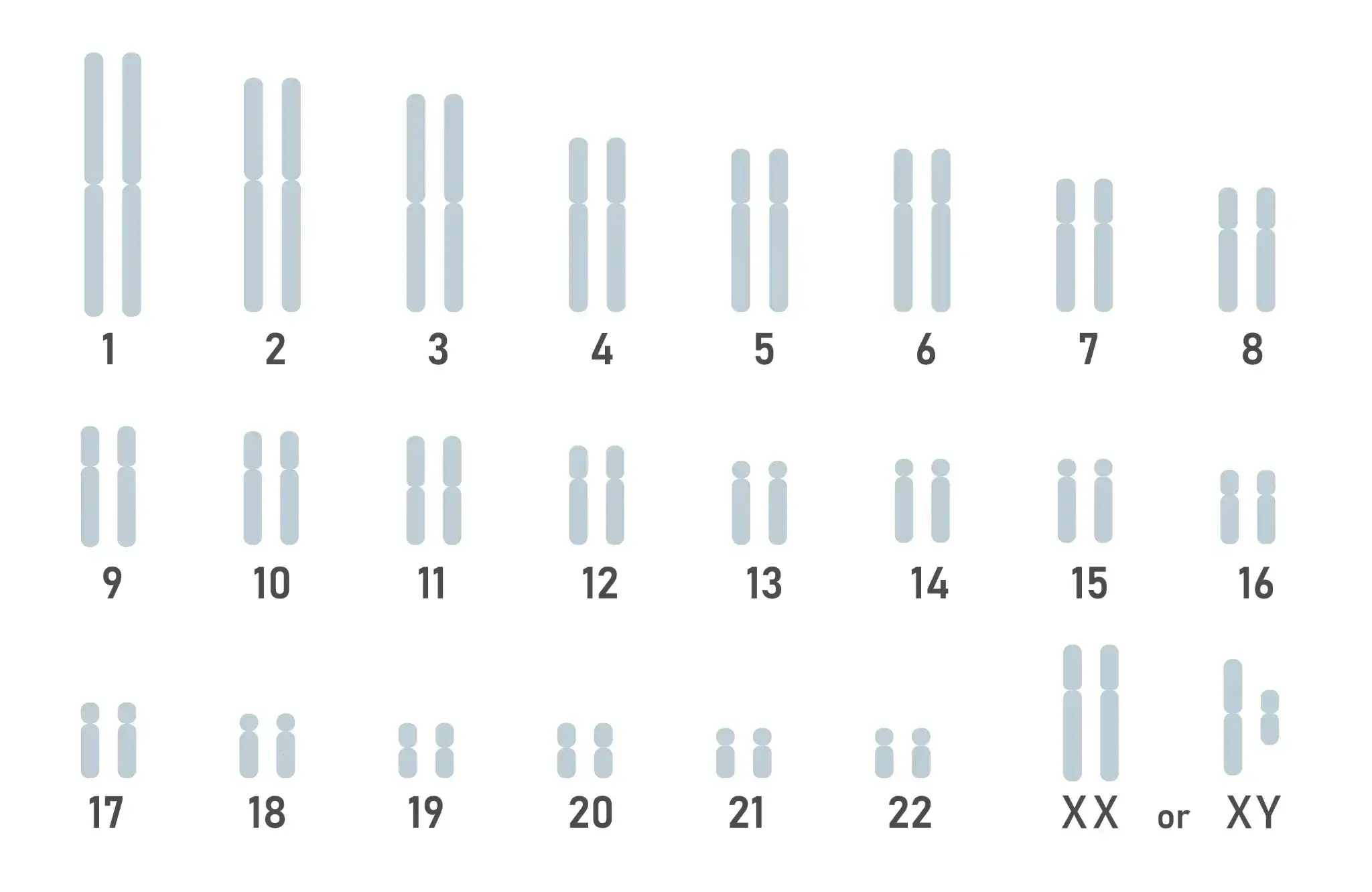
The DNA region investigated this time
Schematic diagram of DNA map present in cells
- ■
- ■
- ■
- ■
- ■
- ■
- ■
- ■
- ■
Related genes
| Related genes | LPA |
|---|
Frequently asked questions (FAQ)
Q1. What is aortic calcification?
Aortic valve calcification is a condition in which calcium deposits and hardens the aortic valve of the heart.The aortic valve is a valve that controls the flow of blood in one direction from the heart to the rest of the body, and if calcium deposits impair the valve's ability to open and close, blood flow is restricted. As the disease progresses, it leads to aortic stenosis, which causes symptoms such as chest pain, shortness of breath, and dizziness.
Q2. Is aortic calcification related to genes?
Yes.A study by Thanassoulis et al. from McGill University found that the DNA region rs10455872 is associated with the risk of aortic calcification.There are three genotypes of rs10455872: AA, AG, and GG, and people with the G-type mutation tend to have a higher risk of aortic calcification. The related gene is LPA (lipoprotein(a)).
Q3. What are the main symptoms of aortic calcification?
The main symptoms of aortic calcification areChest pain, fatigue, shortness of breath during exercise, dizziness, fainting, abnormal heartbeat (arrhythmia)It is. In the early stages, there are often no symptoms, but as the disease progresses, symptoms become apparent as aortic stenosis. The degree of calcification is evaluated using echocardiogram or CT examination.
Q4. What is the distribution of the aortic calcification genotype (rs10455872) in Japanese people?
The genotype distribution of rs10455872 in Japanese people isAA type 99.9%, AG type 0.1%以下, GG type 0.1%以下It is. Worldwide, 88.0% are AA, 11.5% are AG, and 0.3% are GG, and Japanese people have an extremely low prevalence of the G mutation compared to the rest of the world.
References
- Reference link 1: 2013 Feb., George Thanassoulis, N Engl J Med