
 Antioxidant ability

- Antioxidant capacity is the ability to neutralize free radicals and protect cells from oxidative damage.plays an important role in preventing aging and chronic diseases.
- Type C mutation in DNA region rs2851391Research shows that people with
- Plasma betaine and GSTM1 aredifferent mechanismsconstitutes the body's antioxidant defense system.
Overview Antioxidant activity refers to the ability of antioxidants to combat oxidative stress, neutralize free radicals (atoms that have harmful effects in the body), and protect cells from oxidative damage. Oxidative stress is caused by excessive production of reactive oxygen species (ROS) and other free radicals, which can damage proteins, lipids, and DNA. This causes inflammation, aging, and various chronic diseases. Antioxidants work by scavenging free radicals, activating antioxidant enzymes, chelating transition metal ions, and blocking free radical chain reactions. Plasma betaine and glutathione S-transferase Mu 1 (GSTM1) are both involved in the body's antioxidant capacity. Betaine helps synthesize glutathione (GSH). GSH is a major antioxidant in the body, directly scavenging ROS and also serving as a cofactor for antioxidant enzymes. Plasma betaine concentration affects GSH synthesis in the body and determines antioxidant capacity. GSTM1 is an important detoxifying enzyme that catalyzes the conjugation of GSH with electrophilic substrates, promoting their excretion and protecting cells from oxidative damage. The GSTM1 gene is polymorphic, and people with certain genes may completely lose enzyme activity and have reduced antioxidant capacity. From the above, plasma betaine and GSTM1 are interconnected through different mechanisms and constitute the body's antioxidant defense. Plasma betaine supports GSH synthesis and increases the activity of antioxidant enzymes, and GSTM1 is involved in the detoxification of oxidation products. Research by Shin et al. at the Wellcome Trust Sanger Institute revealed that antioxidant capacity is associated with a DNA region called rs2851391. There are three genotypes in this DNA region: TT, TC, and CC, and it was found that people with the C genotype tend to have higher antioxidant capacity.
What is antioxidant capacity?
Antioxidant capacity is the ability of antioxidants to combat oxidative stress, neutralize free radicals (atoms that have harmful effects in the body), and protect cells from oxidative damage.Oxidative stress is caused by excessive generation of reactive oxygen species (ROS), which damages proteins, lipids, and DNA, and causes inflammation, aging, and chronic diseases.
Four mechanisms by which antioxidants work
Antioxidants protect the body from oxidative damage by:
- Direct removal of free radicals:Directly neutralizes ROS and renders them harmless
- Activation of antioxidant enzymes:Strengthens the body's enzymatic defense system
- Chelation of transition metal ions:Inactivates metal ions that catalyze radical generation
- Blocking chain reactions:Breaks free radical chain oxidation reactions
Differences in the roles of plasma betaine and GSTM1
For antioxidant defensePlasma betaine and GSTM1Two elements are important.
| Comparison items | plasma betaine | GSTM1 |
|---|---|---|
| Main features | Supporting glutathione (GSH) synthesis | Detoxification and excretion of oxidation products |
| Mechanism of action | GSH synthesis promotion → ROS direct scavenging/enzyme cofactor | Catalyzes the conjugation reaction of electrophilic substrates and GSH |
| influencing factors | Betaine concentration in plasma | GSTM1 gene polymorphism |
| risk | GSH synthesis decreases at low concentrations | Enzyme activity disappears in certain genotypes |
plasma betainehelps synthesize glutathione (GSH). GSH is a major antioxidant in the body, directly scavenging ROS and also serving as a cofactor for antioxidant enzymes.
GSTM1 (glutathione S transferase Mu 1)is a detoxifying enzyme that catalyzes the conjugation of electrophilic substrates with GSH and promotes its excretion. Due to polymorphisms in the GSTM1 gene, people with certain genotypes may completely lose enzyme activity and have reduced antioxidant capacity.
Risks caused by oxidative stress
- Acceleration of cellular aging:Decrease in cellular function due to accumulation of DNA damage
- Chronic inflammation:Oxidative stress activates inflammatory signals
- Arteriosclerosis:Damage to blood vessel walls due to oxidation of LDL cholesterol
- Neurodegenerative diseases:Nerve cell damage due to oxidative damage in the brain
How to increase antioxidant capacity
You can strengthen your antioxidant capacity by:
- Meals:Actively intake vitamin C (citrus fruits), vitamin E (nuts), and polyphenols (berries and green tea)
- Exercise:Moderate aerobic exercise increases the activity of endogenous antioxidant enzymes
- Sleep:7-8 hours of quality sleep is effective in reducing oxidative stress
- No smoking:Smoking is the main factor that significantly increases ROS production
Relationship between genes and antioxidant capacity
Relationship between DNA region rs2851391 and antioxidant capacity
A study by Shin et al. at the Wellcome Trust Sanger Institute found that the DNA region rs2851391 is associated with antioxidant capacity.
- There are three genotypes of rs2851391: TT, TC, and CC.
- Genotype with type C mutationpeople tend to have higher antioxidant capacity
Genotype distribution in Japanese (rs2851391)
| Genotype | Percentage of Japanese people | percentage of the world |
|---|---|---|
| TT type | 15.5% | 19.1% |
| TC type | 47.7% | 49.2% |
| CC type | 36.6% | 31.6% |
Genotype distribution in Japanese (rs2073333)
| Genotype | Percentage of Japanese people | percentage of the world |
|---|---|---|
| CC type | 46.6% | 61.6% |
| CT type | 43.3% | 33.7% |
| TT type | 10.0% | 4.6% |
Rationale for testing
Surface DNA region: Antioxidant capacity
The gene region that most strongly influences antioxidant capacity is rs2851391. The distribution of isomorphic genotypes in Japan is as follows.
- TT
15.5 % - TC
47.7 % - CC
36.6 %
Another gene region involved in antioxidant capacity is rs2073333. The distribution of isomorphic genotypes in Japan is as follows
- CC
46.6 % - CT
43.3 % - TT
10.0 %
Basis for inspection
Research by Shin et al. at the Wellcome Trust Sanger Institute revealed that antioxidant capacity is linked to genes. There is a region called rs2851391 in the human genome, and there are two types of mutations, T and C, in the gene in this region. It was found that people with type C mutation tend to have higher antioxidant capacity (1).
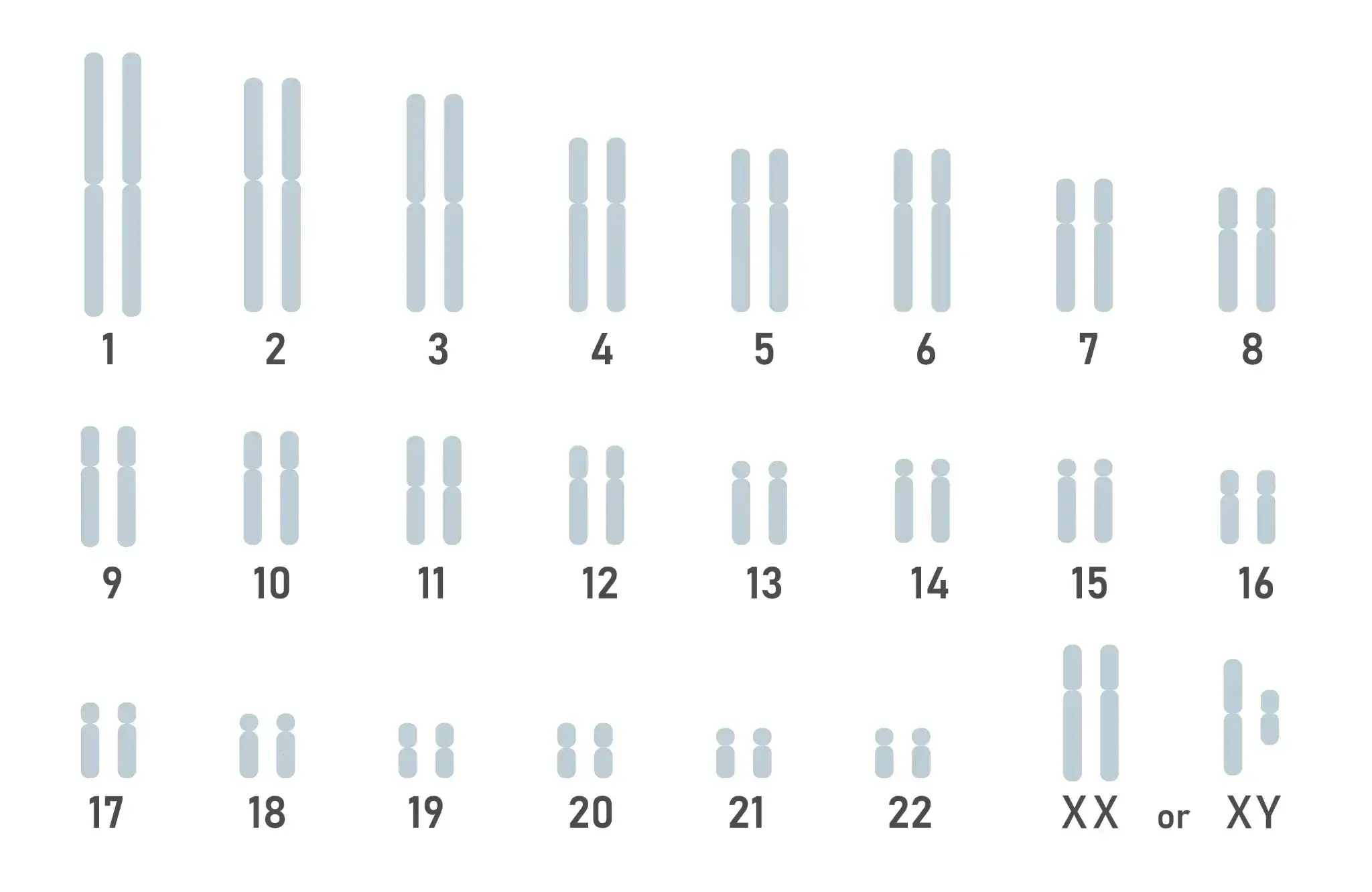
The DNA region investigated this time
Schematic diagram of DNA map present in cells
- ■
- ■
- ■
- ■
- ■
- ■
- ■
- ■
- ■
Related genes
| Related genes | CBS |
|---|---|
| Related genes | SERPINA1 |
Frequently asked questions (FAQ)
Q1. What is antioxidant capacity?
Antioxidant capacity is the ability of antioxidants to neutralize free radicals and prevent oxidative damage to cells caused by reactive oxygen species (ROS).Oxidative stress damages proteins, lipids, and DNA, causing aging and chronic diseases.
Q2. Are genes related to antioxidant ability?
According to research by Shin et al. at the Wellcome Trust Sanger Institute,DNA region rs2851391 is associated with antioxidant capacityIt turns out that. People with the C genotype tend to have higher antioxidant capacity (1).
Q3. What is the difference between plasma betaine and GSTM1?
plasma betainehelps synthesize glutathione (GSH) and increases the activity of antioxidant enzymes.GSTM1is a detoxifying enzyme that catalyzes the conjugation of GSH with electrophilic substrates, promoting the excretion of oxidation products. Both constitute antioxidant defense through different mechanisms.
Q4. Is there a way to increase antioxidant capacity?
Vitamin C, vitamin E, polyphenolsEating foods that contain these foods, exercising properly, getting enough sleep, and smoking cessation are all effective. Green and yellow vegetables, berries, and nuts are rich in antioxidants.
References
- Reference link 1: 2014 Jun., So-Youn Shin, Nat Genet
- Reference link 2: 2021 Nov., Maik Pietzner, Science