
 anorexia nervosa

- Anorexia nervosa (anorexia nervosa) is an eating disorder characterized by a strong fear of weight gain and distorted body image perception.It causes serious health risks such as irregular menstruation, osteoporosis, anemia, and heart dysfunction.
- T-type mutation in DNA region rs56156506A Flinders University study finds that people with this condition tend to be at higher risk of developing anorexia nervosa.
- The prevalence of type T mutation (AT+TT) in Japanese people is13.9%This is a low percentage compared to the world average of 20.3%.
Overview Anorexia nervosa is a psychological and physiological disorder characterized by an intense fear of weight gain and a distorted body image. This causes individuals to severely limit their calorie intake and follow behaviors aimed at losing weight. Sometimes there is a persistent pursuit of thinness to the point of starvation. People with anorexia may consider themselves to be overweight even though they are underweight, and may weigh themselves frequently and derive satisfaction from losing weight. Physically, a child may lose a lot of weight during a period of growth when weight gain is expected. This can lead to health problems such as irregular menstrual periods, osteoporosis, brittle hair and nails, hair growth, anemia, muscle weakness, constipation, low blood pressure, and damage to heart structure and function. Psychologically, there is a strong fear of weight gain, a strong desire to continually lose weight, and a tendency to deny the seriousness of the condition. Anxiety, depression, and compulsive behaviors related to food and body image are common. A study by Wade et al. from Flinders University revealed that the risk of developing anorexia nervosa is associated with a DNA region called rs56156506. There are three genotypes of the gene in this region: AA, AT, and TT, and it has been found that people with the T genotype tend to have a higher risk of anorexia nervosa.
What is anorexia nervosa (anorexia nervosa)?
Anorexia nervosa (anorexia nervosa) is a psychological and physiological eating disorder characterized by a strong fear of weight gain and distorted body image perception.Patients tend to severely limit their caloric intake and perceive themselves as overweight even though they are underweight.
What are the main symptoms of anorexia nervosa?
Symptoms of anorexia nervosa can be divided into two categories: physical and psychological. The specific symptoms are categorized below.
physical symptoms
- Weight loss:Significant weight loss occurs instead of the expected weight gain during growth
- Irregular menstruation:Menstruation stops or becomes irregular in women
- Osteoporosis:Bone density decreases and fracture risk increases
- Anemia:Red blood cell count decreases due to nutritional deficiencies
- Effects on the heart:Low blood pressure/damage to heart structure and function
- Others:Weakness of hair and nails, development of downy hair, muscle weakness, constipation
psychological symptoms
- Fear of weight:A strong fear of weight gain persists
- Distorted body image:Recognize yourself as overweight even if you are underweight
- Tendency to deny:deny the seriousness of symptoms
- Psychiatric symptoms:Anxiety, depression, and compulsive behaviors related to food and body image appear
Comparison of the physical and psychological effects of anorexia nervosa
| Comparison items | physical effects | psychological impact |
|---|---|---|
| Main features | Organ damage due to nutritional deficiencies | Abnormal obsession with weight and body shape |
| Specific symptoms | Weight loss, irregular menstruation, osteoporosis, anemia | Fear of weight gain, distorted body image, and depression |
| severity | Cardiac dysfunction, low blood pressure, muscle weakness | Compulsive behavior/denial of symptoms/anxiety disorder |
| long term risk | Fractures, organ failure, life-threatening | Social isolation/chronic mental illness |
The relationship between genes and anorexia nervosa
Relationship between DNA region rs56156506 and anorexia nervosa
A study by Wade et al. at Flinders University (2013, Int J Eat Disord) revealed that the risk of developing anorexia nervosa is associated with the DNA region rs56156506.
- There are three genotypes of rs56156506: AA, AT, and TT.
- Genotype with T-type mutation(AT type/TT type) people tend to have a higher risk of anorexia nervosa
- This gene region is related to the SYTL5 gene
Comparison of genotype distribution in Japanese and the world (rs56156506)
| Genotype | Percentage of Japanese people | percentage of the world |
|---|---|---|
| AA type | 86.0% | 79.6% |
| AT type | 13.4% | 19.2% |
| TT type | 0.5% | 1.1% |
The T mutation prevalence rate (AT+TT) in Japanese people is13.9%, which is lower than the global average of 20.3%. The percentage of Japanese people with type AA is86.0%This is higher than the world average of 79.6%, and the percentage of people who do not have the T mutation tends to be high.
Rationale for testing
Superficial DNA region: anorexia nervosa
The gene region that most strongly influences anorexia nervosa is rs56156506. The distribution of isomorphic genotypes in Japan is as follows.
- AA
86.0 % - AT
13.4 % - TT
0.5 %
Basis for inspection
A study by Wade et al. from Flinders University revealed that the risk of developing anorexia nervosa is linked to genes. There is a region called rs56156506 in the human genome, and there are two types of mutations, A and T, in the gene in that region. It was found that people with the T-type mutation tend to be at increased risk of anorexia nervosa.
The DNA region investigated this time
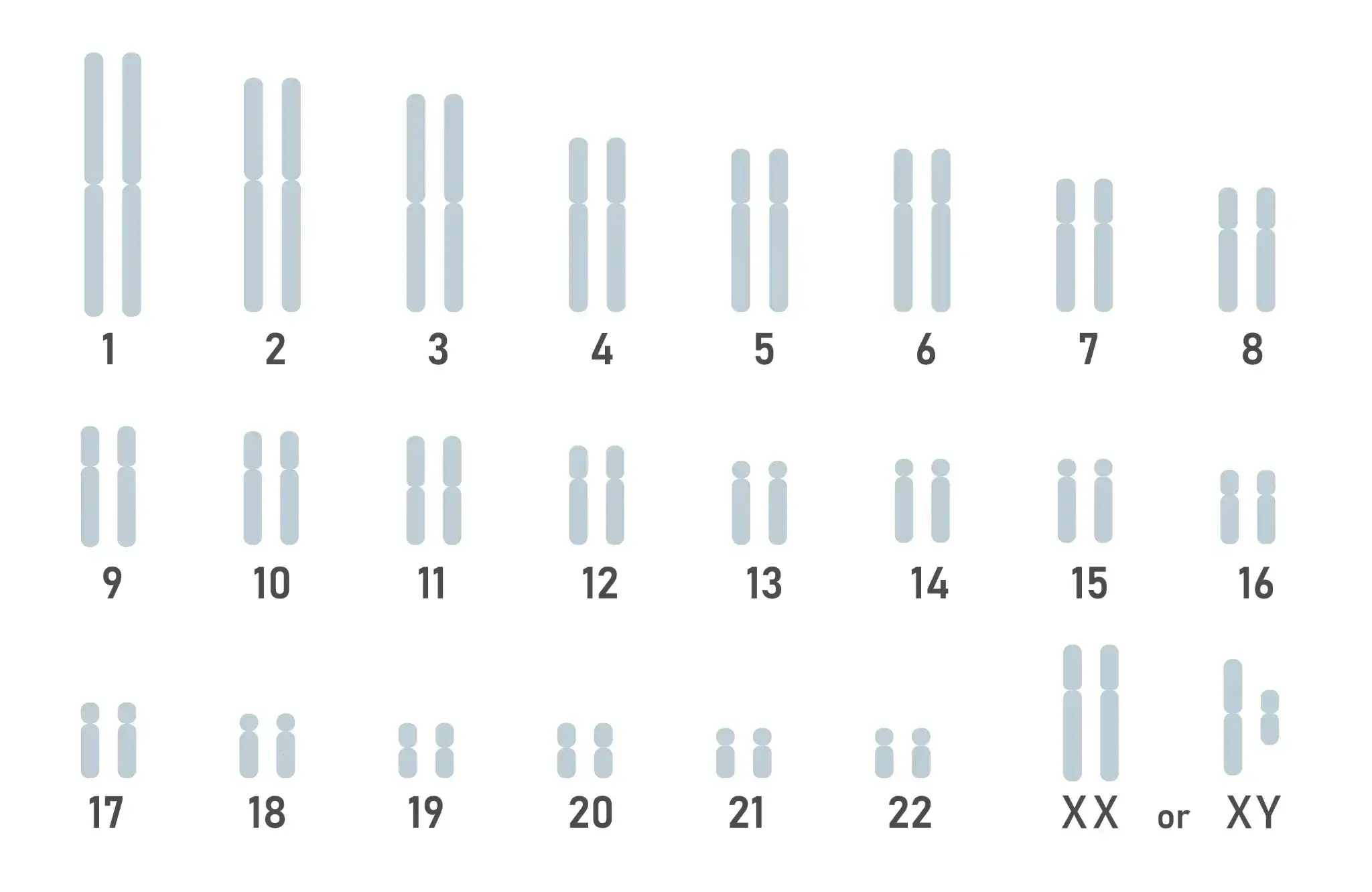
Schematic diagram of DNA map present in cells
- ■
- ■
- ■
- ■
- ■
- ■
- ■
- ■
- ■
Related genes
| Related genes | SYTL5 |
|---|
Frequently asked questions (FAQ)
Q1. What is anorexia nervosa (anorexia nervosa)?
Anorexia nervosa (anorexia nervosa) is an eating disorder characterized by a strong fear of weight gain and a distorted perception of body image.Patients severely restrict their caloric intake and perceive themselves as overweight even though they are underweight. Physically, symptoms include irregular menstruation, osteoporosis, anemia, low blood pressure, and heart dysfunction, while psychologically, symptoms include obsessive weight measurement, obsession with food, anxiety, and depression.
Q2. Is anorexia nervosa related to genes?
Yes.A study by Wade et al. at Flinders University (2013, Int J Eat (Disord) found that the DNA region rs56156506 is associated with the risk of developing anorexia nervosa.There are three genotypes of rs56156506: AA, AT, and TT, and people with the T-type mutation tend to be at higher risk.
Q3. What is the distribution of the genotype (rs56156506) related to anorexia nervosa in Japanese people?
The genotype distribution of rs56156506 in Japanese people isAA type 86.0%, AT type 13.4%, TT type 0.5%It is. Worldwide, 79.6% are AA, 19.2% are AT, and 1.1% are TT, and Japanese people have a lower prevalence of the T mutation than the world average.
Q4. What are the main symptoms of anorexia nervosa?
Physically, the main symptoms of anorexia nervosa areSignificant weight loss, irregular menstruation, osteoporosis, anemia, low blood pressure, heart dysfunctionThere is. psychologicallyIntense fear of weight gain, distorted body image perception, obsessive thoughts about food, anxiety and depression symptomscan be seen. Characteristic symptoms include weakened hair and nails, growth of downy hair, muscle weakness, and constipation.
References
- Reference link 1: 2013 Sep., Tracey D Wade, Int J Eat Disord