
 anemia
- Anemia is a disease in which the number of red blood cells or hemoglobin concentration decreases, resulting in insufficient oxygen supply to tissues.Approximately 24.8% of the world's population (approximately 1.6 billion people) is affected.
- G-type mutation in DNA region rs147570790A University of Cambridge study found that people with
- appropriateDietary management (iron, vitamin B12, folic acid intake) and early diagnosisPrevention and improvement can be expected by
Overview Anemia is characterized by important parameters related to red blood cells. These parameters can be directly measured or inferred with blood tests. First, the red blood cell count indicates the total number of red blood cells in the body, and a low number suggests a lack of oxygen-carrying red blood cells. The mean corpuscular volume (MCV) then measures the average size of red blood cells and helps determine the type of anemia. Macrocytic anemia indicates a vitamin B12 or folic acid deficiency, and microcytic anemia indicates an iron deficiency. Hematocrit also indicates the percentage of red blood cells in the blood, and a decrease indicates anemia. Finally, mean reticulocyte volume can indicate a problem with red blood cell production. Through these parameters, anemia indicates a lack of oxygen supply to tissues, leading to symptoms such as fatigue and pale skin. A study by Vuckovic et al. from the University of Cambridge revealed that the risk of anemia is associated with a DNA region called rs147570790. There are three genotypes in this DNA region: GG, GT, and TT, and it was found that people with the G genotype tend to have a higher risk of anemia.
What is anemia?
Anemia is a condition in which the number of red blood cells or hemoglobin concentration in the blood is below the standard value, resulting in insufficient oxygen supply to tissues throughout the body.According to WHO standards, anemia is diagnosed when the hemoglobin level is less than 13 g/dL for adult men and less than 12 g/dL for adult women. According to a report by the World Health Organization (WHO), approximately 24.8% of the world's population suffers from anemia, and the prevalence is particularly high among women and children.
Causes and mechanisms of anemia
Anemia is assessed using four main parameters measured by blood tests:
- Red blood cell count (RBC):It shows the total number of red blood cells in the body, and a low number means there is not enough red blood cells to carry oxygen.
- Mean corpuscular volume (MCV):Measures the average size of red blood cells and is used to classify types of anemia. Macrocytic anemia (MCV > 100 fL) suggests vitamin B12/folate deficiency, and microcytic anemia (MCV < 80 fL) indicates iron deficiency.
- Hematocrit (Hct):Indicates the percentage of red blood cells in the blood; a decrease suggests anemia
- Mean reticulocyte volume:An indicator that reflects the ability of the bone marrow to produce red blood cells; abnormal values indicate problems with hematopoietic function.
Differences in classification and causes of anemia
| classification | MCV value | Main cause | Patient percentage |
|---|---|---|---|
| microcytic anemia | Less than 80fL | Iron deficiency/thalassemia | Approximately 50% of all anemias |
| normocytic anemia | 80〜100fL | Chronic disease/renal anemia/hemolytic anemia | Approximately 30% of all anemias |
| macrocytic anemia | Over 100fL | Vitamin B12 deficiency, folate deficiency, myelodysplasia | Approximately 20% of all anemias |
Main symptoms of anemia
Symptoms of anemiaInsufficient oxygen supply to tissuesDue to this, it progresses through the following stages:
- Mild (Hb 10-12g/dL):Mild fatigue, shortness of breath when exercising
- Moderate (Hb 7-10g/dL):Persistent fatigue, palpitations, dizziness, pale skin, headache
- Severe (Hb less than 7g/dL):Shortness of breath at rest, chest pain, cold hands and feet, fainting, difficulty performing activities of daily living
Risk factors for anemia
The following factors increase the risk of developing anemia:
- Menorrhagia/pregnancy (increased iron demand)
- Unbalanced diet/vegetarianism (insufficient intake of iron and vitamin B12)
- Chronic diseases (chronic kidney disease, inflammatory bowel disease, cancer)
- genetic predisposition(G-type mutation in DNA region rs147570790, etc.)
- Gastrointestinal bleeding (gastric ulcer/colon polyp)
Prevention and countermeasures
The following lifestyle habits are effective in preventing and improving anemia.
- Active intake of iron:10.5 mg of red meat, liver, spinach, and mustard greens per day (menstruating women)
- Simultaneous intake of vitamin C:Consume with citrus fruits and broccoli to improve iron absorption up to 6x
- Supplementation of vitamin B12 and folic acid:Incorporate seafood, eggs, and green vegetables into your daily diet
- Regular blood tests:Early detection by checking hemoglobin levels at least once a year
- Notes on tannins and caffeine:Tea and coffee during meals inhibit iron absorption, so take them 30 minutes after meals.
The relationship between genes and anemia
Relationship between DNA region rs147570790 and onset risk
A study by Vuckovic et al. (1) from the University of Cambridge found that the DNA region rs147570790 is associated with anemia risk.
- There are three genotypes of rs147570790: GG, GT, and TT.
- Genotype with type G mutationpeople tend to be at higher risk of anemia
Genotype distribution in Japanese (rs147570790)
| Genotype | Percentage of Japanese people | percentage of the world |
|---|---|---|
| GG type | 99.9% | 87.1% |
| GT type | 0.1%以下 | 12.3% |
| TT type | 0.1%以下 | 0.4% |
Rationale for testing
Superficial DNA region: anemia
The gene region that most strongly affects anemia is rs147570790. The distribution of isomorphic genotypes in Japan is as follows.
- GG
99.9 % - GT
0.1%以下 - TT
0.1%以下
Another gene region involved in anemia is rs4825885. The distribution of isomorphic genotypes in Japan is as follows
- AA
1.9 % - AG
23.8 % - GG
74.2 %
Another gene region involved in anemia is rs1482853. The distribution of isomorphic genotypes in Japan is as follows
- CC
28.9 % - CA
49.7 % - AA
21.3 %
Basis for inspection
A study by Vuckovic et al. from the University of Cambridge revealed that the risk of developing anemia is linked to genes. There is a region called rs147570790 in the human genome, and there are two types of mutations, G and T, in the gene in this region. It has been found that people with the G-type mutation tend to have a higher risk of anemia (1).
The DNA region investigated this time
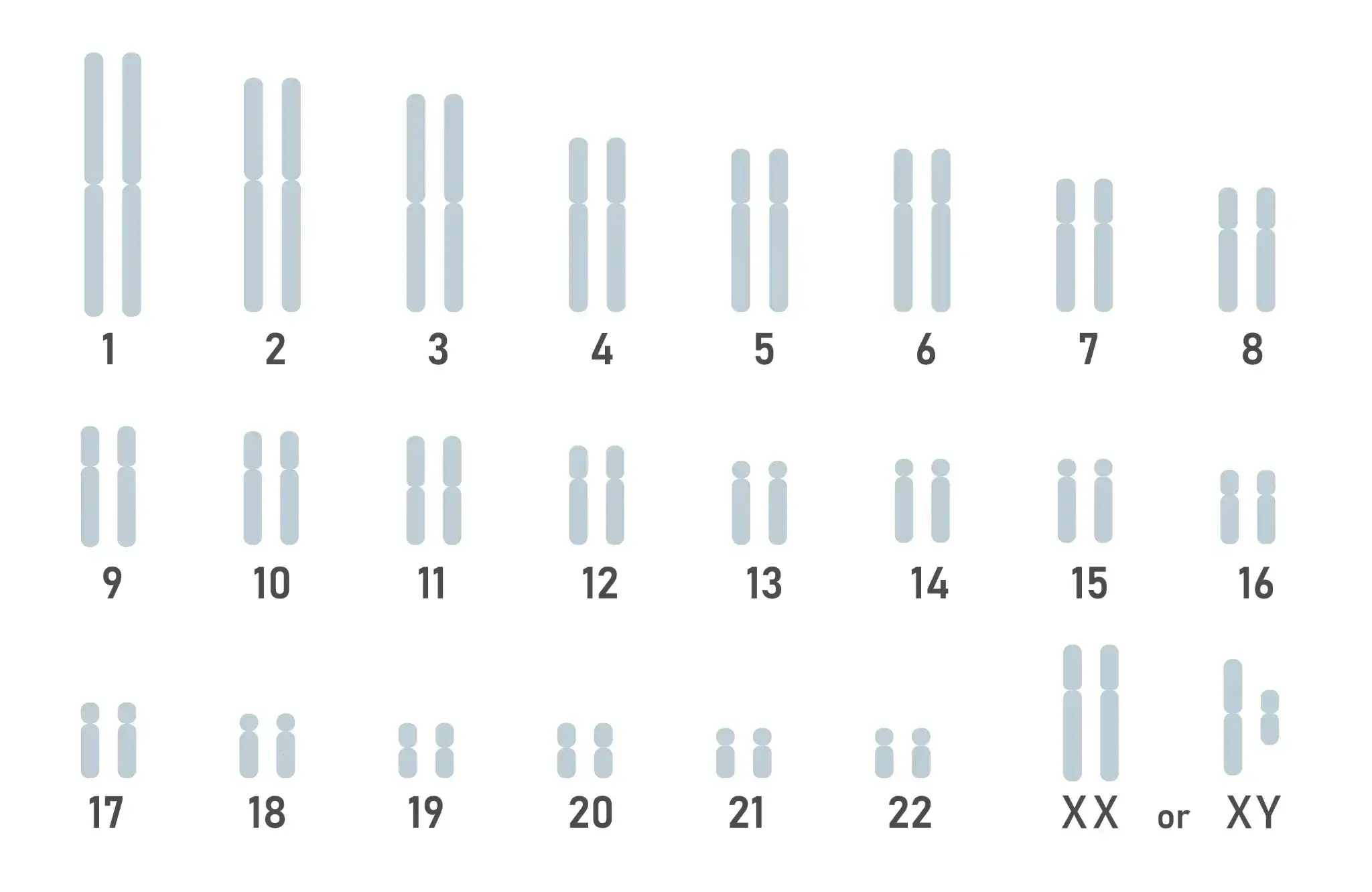
Schematic diagram of DNA map present in cells
- ■
- ■
- ■
- ■
- ■
- ■
- ■
- ■
- ■
Related genes
| Related genes | CLCN5 |
|---|---|
| Related genes | STAG2 |
| Related genes | LEKR1 |
Frequently asked questions (FAQ)
Q1. What is anemia?
Anemia is a condition in which the number of red blood cells or hemoglobin concentration in the blood is below the standard value, resulting in insufficient oxygen supply to tissues.According to WHO standards, anemia is diagnosed when the hemoglobin level is less than 13 g/dL for adult men and less than 12 g/dL for adult women. Approximately 24.8% of the world's population is affected.
Q2. What is the cause of anemia?
The main cause of anemia isIron deficiency (approximately 50% of all anemias), vitamin B12/folate deficiency, and hematopoietic disorders due to chronic diseasesIt is classified into three types. As a genetic factor, carriers of the G mutation in the DNA region rs147570790 tend to be at higher risk (1).
Q3. What are the main symptoms of anemia?
The main symptoms areFatigue, shortness of breath, palpitations, dizziness, pale skinIt is. Severe anemia with a hemoglobin value of less than 7 g/dL causes shortness of breath at rest, chest pain, and syncope, which interfere with daily life.
Q4. Can genetic testing determine the risk of anemia?
By examining the genotype of the DNA region rs147570790,Understanding trends in the risk of developing anemiaYou can. A study by Vuckovic and colleagues at the University of Cambridge found that people with the G mutation genotype tend to be at higher risk (1).
Q5. How to prevent anemia?
Actively intake foods containing iron (red meat, liver, spinach)is the basics. When combined with vitamin C, iron absorption rate increases up to 6 times. Menstruating women are recommended to consume 10.5 mg of iron per day.
References
- Reference link 1: 2020 Sep., Dragana Vuckovic, Cell
- Reference link 2: 2021 Oct., Saori Sakaue, Nat Genet