
 Amyotrophic lateral sclerosis (ALS)
- Amyotrophic lateral sclerosis (ALS) is a disease in which motor neurons gradually degenerate, causing muscle weakness, muscle atrophy, and breathing difficulties.It is a neurodegenerative disease, and the average survival period after onset is approximately 3 to 5 years.
- Type A mutation in DNA region rs465401A study at Qingdao University found that people with ALS tend to have a higher risk of developing ALS.
- The prevalence of type A mutation (AA+AG) in Japanese people is92.4%This is an extremely high percentage compared to the world average of 27.2%.
Overview Amyotrophic lateral sclerosis (ALS) is a disease in which motor neurons (nerves in the brain and spinal cord that move muscles) gradually degenerate (damage) and become dysfunctional. This causes symptoms such as muscle weakness, muscle atrophy, and eventually difficulty breathing. Motor neurons require neurofilament light chains (NfL; part of the cytoskeleton) to maintain their structure. However, when motor neurons degenerate, NfL is shed into the cerebrospinal fluid and blood. Therefore, externally present NfL plays a role as an indicator of neuronal damage and neurodegeneration. When the concentration of NfL in the cerebrospinal fluid and blood increases, ALS tends to become more severe and the disease progresses faster. Therefore, examining the concentration of NfL can lead to early diagnosis of ALS and monitoring of disease progression, and is extremely important information in determining treatment strategies. A study by Niu et al. at Qingdao University revealed that the risk of developing amyotrophic lateral sclerosis (ALS) is associated with a DNA region called rs465401. There are three genotypes in this DNA region: AA, AG, and GG, and it was found that people with the A genotype tend to have a higher risk of ALS.
What is amyotrophic lateral sclerosis (ALS)?
Amyotrophic lateral sclerosis (ALS) is a neurodegenerative disease in which motor neurons (nerves in the brain and spinal cord that move muscles) gradually degenerate (damage) and become dysfunctional.This causes muscle weakness and atrophy, which ultimately leads to breathing difficulties. The prevalence in Japan is approximately 7 to 11 per 100,000 people, and it is designated as an intractable disease.
Main symptoms and progression stages of ALS
ALS progresses in stages from early symptoms to terminal stage. The main symptoms are classified below.
early symptoms
- Limb type:Muscle weakness in limbs, stumbling, and grip strength
- Bulbular palsy type:Dysarthria (difficulty speaking)/dysphagia (difficulty swallowing)
Symptoms in advanced stages
- Muscle atrophy:Muscles throughout the body become thin
- Respiratory muscle weakness:Difficulty breathing/need for respirator
- Limitations in daily activities:Difficulty in independent activities such as walking, eating, and dressing
What is the relationship between neurofilament light chain (NfL) and ALS diagnosis?
Neurofilament light chain (NfL) is a cytoskeletal protein required to maintain the structure of motor neurons.When motor neurons degenerate, NfL is released into the cerebrospinal fluid and blood. Therefore, NfL concentration serves as an indicator of neuronal damage.
- NfL concentration increases → The tendency for ALS to become more severe and the disease to progress faster
- Useful for early diagnosis:Elevated NfL may be detected before symptoms appear
- Treatment monitoring:NfL values are used to evaluate treatment effects
Comparison of types and characteristics of ALS
| Comparison items | sporadic ALS | familial ALS |
|---|---|---|
| Incidence rate | Approximately 90-95% of the total | Approximately 5-10% of the total |
| genetic factors | Multiple genetic mutations contribute in a complex manner | Single gene mutations such as SOD1 and C9orf72 |
| Age of onset | Average age 55-65 | Average age: 46-55 years (early onset tendency) |
| family history | None | A blood relative with ALS |
Relationship between genes and risk of developing ALS
Relationship between DNA region rs465401 and ALS
Research by Niu et al. at Qingdao University (2019, Ann Transl. Med) revealed that the risk of developing amyotrophic lateral sclerosis (ALS) is associated with the DNA region rs465401.
- There are three genotypes of rs465401: AA, AG, and GG.
- Genotype with type A mutation(AA type/AG type) people tend to have a higher risk of ALS
- This gene region is related to the CYYR1 gene
Comparison of genotype distribution in Japanese and the world (rs465401)
| Genotype | Percentage of Japanese people | percentage of the world |
|---|---|---|
| AA type | 52.7% | 2.1% |
| AG type | 39.7% | 25.1% |
| GG type | 7.5% | 72.6% |
The prevalence of type A mutation in Japanese people (AA+AG) is92.4%This is an extremely high percentage compared to the global average of 27.2%. On the other hand, the percentage of Japanese people with type GG is7.5%This is significantly lower than the world average of 72.6%, and clearly reflects the genetic characteristics of the Japanese population.
Rationale for testing
Superficial DNA region: amyotrophic lateral sclerosis (ALS)
The gene region that most strongly affects amyotrophic lateral sclerosis (ALS) is rs465401. The distribution of isomorphic genotypes in Japan is as follows.
- AA
52.7 % - AG
39.7 % - GG
7.5 %
Basis for inspection
Research by Niu et al. at Qingdao University revealed that the risk of developing amyotrophic lateral sclerosis (ALS) is related to genes. There is a region called rs465401 in the human genome, and there are two types of mutations, A and G, in the gene in this region. It was found that people with type A mutations tend to have a higher risk of ALS.
The DNA region investigated this time
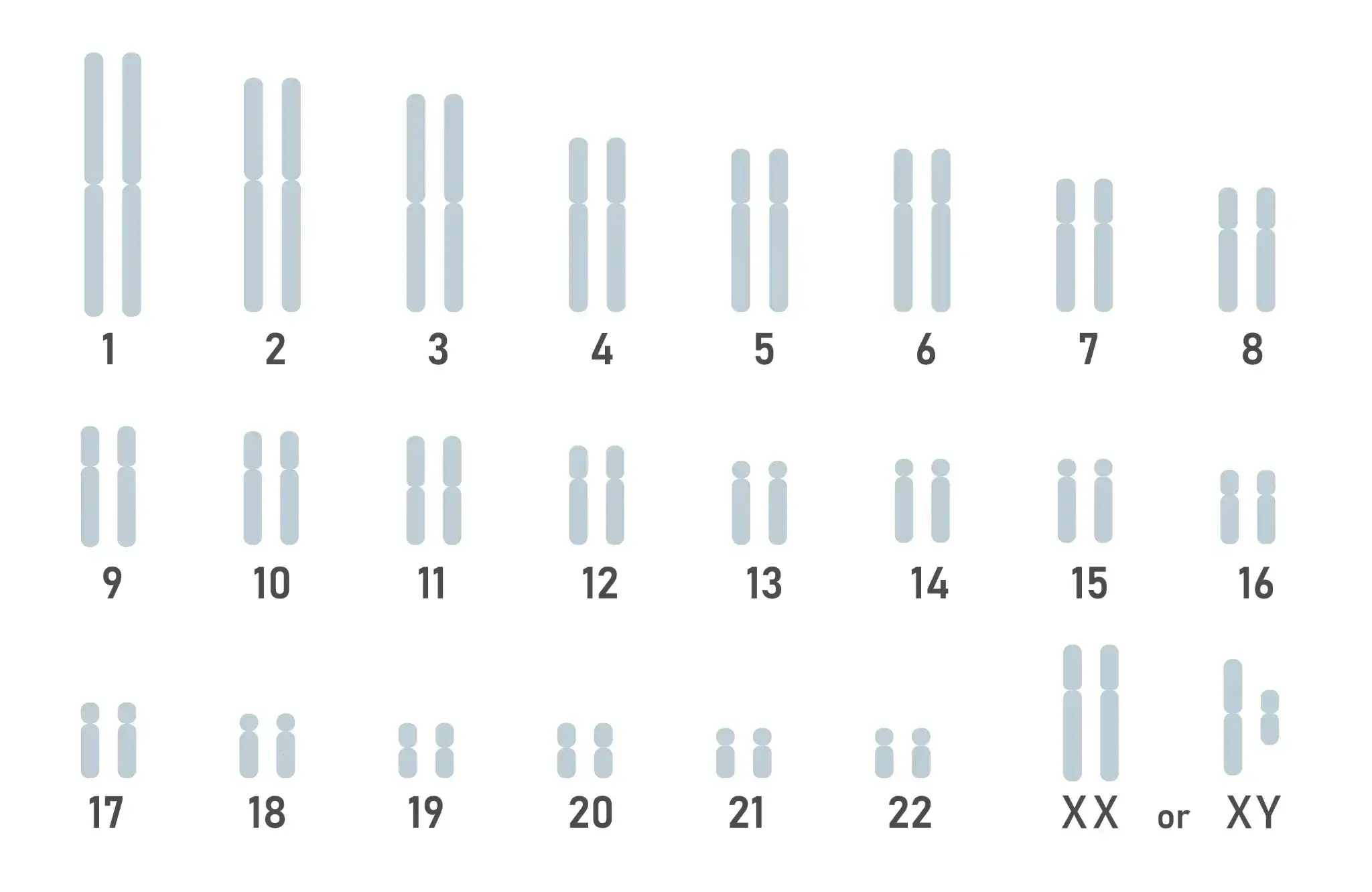
Schematic diagram of DNA map present in cells
- ■
- ■
- ■
- ■
- ■
- ■
- ■
- ■
- ■
Related genes
| Related genes | CYYR1 |
|---|
Frequently asked questions (FAQ)
Q1. What is amyotrophic lateral sclerosis (ALS)?
Amyotrophic lateral sclerosis (ALS) is a neurodegenerative disease in which motor neurons (nerves in the brain and spinal cord that move muscles) gradually degenerate and become dysfunctional.It causes symptoms such as muscle weakness, muscle atrophy, and difficulty breathing. The average survival period after onset is approximately 3 to 5 years, and it is designated as an intractable disease in Japan. The prevalence is approximately 7 to 11 per 100,000 people.
Q2. Is the risk of developing ALS related to genes?
Yes.Research by Niu et al. at Qingdao University (2019, Ann Transl. Med) found that the DNA region rs465401 is associated with the risk of developing ALS.There are three genotypes of rs465401: AA, AG, and GG, and people with the type A mutation tend to have a higher risk of ALS.
Q3. What is the distribution of the genotype (rs465401) associated with ALS in Japanese people?
The genotype distribution of rs465401 in Japanese people isAA type 52.7%, AG type 39.7%, GG type 7.5%It is. Worldwide, 2.1% are type AA, 25.1% are type AG, and 72.6% are type GG.Japanese people have type A (AA+AG) at 92.4%, which is significantly higher than the world average of 27.2%.
Q4. How is neurofilament light chain (NfL) useful in ALS diagnosis?
NfL is a cytoskeletal protein required to maintain the structure of motor neurons.When motor neurons degenerate, NfL leaks into the cerebrospinal fluid and blood. Because increased NfL concentration correlates with the severity and progression rate of ALS, it is used as an important biomarker for early diagnosis, monitoring disease progression, and determining treatment strategies.
References
- Reference link 1: 2019 Nov., Li-Dong Niu, Ann Transl Med