
 allergic rhinitis
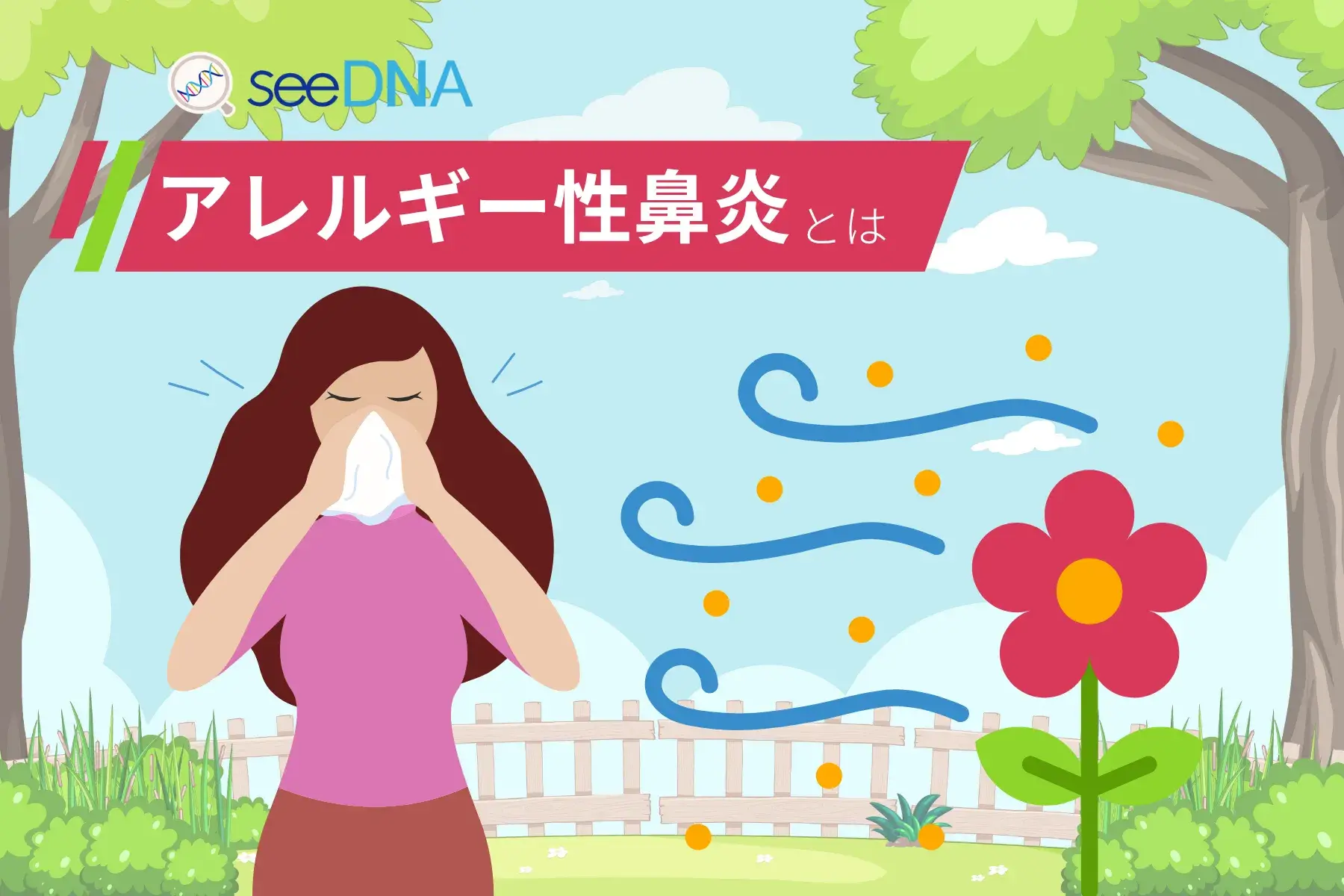
- Allergic rhinitis is a disease in which inflammation occurs in the nasal cavity due to an overreaction of the immune system to allergens such as pollen and dust mites.Approximately 40% of Japanese people are affected by this disease.
- G-type mutation in DNA region rs2823048Research shows that people with the disease tend to be at higher risk of developing
- appropriateAllergen avoidance/drug therapy/immunotherapyIt is possible to alleviate symptoms and improve quality of life.
Overview Allergic rhinitis, a condition commonly known as hay fever, is a widespread allergy that affects many people. This condition is caused by an overreaction of the immune system to allergens such as pollen, dust mites, mold spores, or pet dander, and is accompanied by inflammation of the nasal passages. Symptoms of allergic rhinitis include a persistent runny nose with clear mucus, nasal congestion, repeated sneezing, and itching in the nose, eyes, and upper part of the mouth. Many people also experience symptoms of allergic conjunctivitis, such as itching, redness, and watery eyes. In addition, allergic rhinitis can lead to complications such as sleep disturbances due to difficulty breathing, worsening of asthma, and sinus infections due to inflammation of the sinuses. Allergic rhinitis fluctuates with the seasons and is often worse in spring and fall, but symptoms can also occur year-round due to allergens such as dust mites and pet dander. This annual allergic rhinitis is distinguished from seasonal allergic rhinitis. Treatment includes allergen avoidance, medications such as antihistamines and corticosteroids, and allergen immunotherapy. These measures can alleviate symptoms and improve quality of life. A study by Bunyavanich et al. from Nan University revealed that the risk of developing allergic rhinitis is associated with a DNA region called rs2823048. There are three genotypes in this DNA region: AA, AG, and GG, and it has been found that people with the G genotype tend to have a higher risk of allergic rhinitis.
What is allergic rhinitis?
Allergic rhinitis is a disease in which the immune system overreacts to allergens such as pollen, dust mites, mold spores, and pet dander, causing inflammation in the nasal passages.Commonly known as hay fever, it affects approximately 40% of people in Japan.
Causes and mechanisms of allergic rhinitis
When allergens adhere to the nasal mucosa, the immune system produces IgE antibodies, and symptoms occur through the following mechanism.
- Sensitization stage:The immune system produces IgE antibodies upon first contact with the allergen.
- Immediate reaction:Upon re-contact, chemicals such as histamine and leukotrienes are released, causing inflammation of the nasal passages.
- Delayed reaction:After 4 to 8 hours, inflammatory cells such as eosinophils gather, and symptoms persist.
The main allergens are:
- Pollen (cedar, cypress, ragweed, grass, etc.)
- house dust mites
- mold spores
- Pet dander/hair
Main symptoms of allergic rhinitis
Symptoms occur after exposure to allergenwithin minutesIt appears and is mainly characterized by the following three major symptoms.
- Sneeze:occur in a series of seizures
- Runny nose:Clear, smooth, watery nasal discharge
- Stuffy nose:Nasal congestion due to swelling of the nasal mucosa
- Itchy, bloodshot, watery eyes (complications of allergic conjunctivitis)
- Itching in the roof of the mouth (upper part of the mouth)
Difference between seasonal and perennial allergic rhinitis
| Comparison items | Seasonal (hay fever) | year-round |
|---|---|---|
| cause | Pollen (cedar, cypress, etc.) | Dust mites, mold, and pet dander |
| Time of onset | Concentrate on spring and autumn | Lasts throughout the year |
| Characteristics of symptoms | Significant sneezing and runny nose | Significant nasal congestion |
| environmental factors | Depends on pollen amount | Depends on indoor environment |
| prevalence | Approximately 30% of Japanese | Approximately 25% of Japanese |
Complication risk of allergic rhinitis
Without proper treatment, the following complications may occur:
- Bronchial asthma:Approximately 20-30% of patients with allergic rhinitis have complications.
- Sinusitis (empyema):Chronic inflammation in the nasal cavity spreads to the sinuses
- Sleep disorders:Difficulty breathing due to nasal congestion reduces sleep quality
- Decline in concentration and academic performance:Impact of symptoms on daytime QOL (quality of life)
Treatment and countermeasures
The following three approaches are the pillars of treatment.
- Allergen avoidance:Wearing a mask, checking pollen information, and maintaining the indoor environment
- Drug therapy:Antihistamines, nasal steroids, leukotriene receptor antagonists
- Allergen immunotherapy (desensitization therapy):Fundamental treatment to acquire tolerance to allergens through sublingual immunotherapy and subcutaneous immunotherapy
Relationship between genes and allergic rhinitis
Relationship between DNA region rs2823048 and onset risk
A study by Bunyavanich et al. from Nan University found that the DNA region rs2823048 is associated with the risk of developing allergic rhinitis.
- There are three genotypes of rs2823048: AA, AG, and GG.
- Genotype with type G mutationPeople tend to be at higher risk of allergic rhinitis
Genotype distribution in Japanese (rs2823048)
| Genotype | Percentage of Japanese people | percentage of the world |
|---|---|---|
| AA type | 99.9% | 67.2% |
| AG type | 0.1%以下 | 29.5% |
| GG type | 0.1%以下 | 3.2% |
The genotype distribution of rs2823048 in Japanese people is99.9% type AAThis is overwhelmingly high, and the percentage of people with the G mutation is close to 0%. On the other hand, the AG type accounts for 29.5% and the GG type accounts for 3.2% worldwide.
Rationale for testing
Superficial DNA region: allergic rhinitis
The gene region that most strongly affects allergic rhinitis is rs2823048. The distribution of isomorphic genotypes in Japan is as follows.
- AA
99.9 % - AG
0.1%以下 - GG
0.1%以下
Basis for inspection
A study by Bunyavanich et al. of Nan University revealed that the risk of developing allergic rhinitis is related to genes. There is a region called rs2823048 in the human genome, and there are two types of mutations, A and G, in the gene in this region. It was found that people with type A mutations tend to have a higher risk of allergic rhinitis.
The DNA region investigated this time
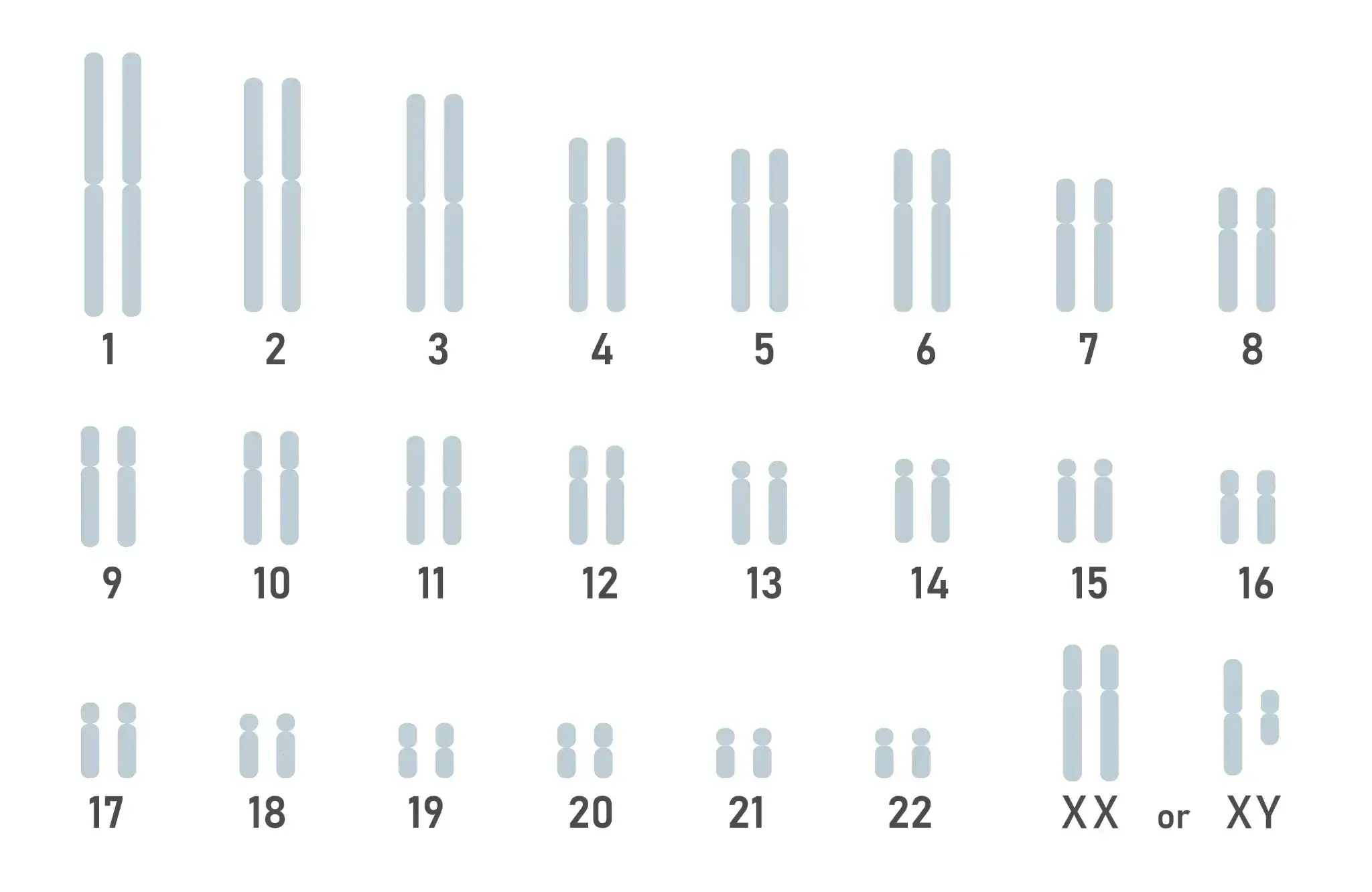
Schematic diagram of DNA map present in cells
- ■
- ■
- ■
- ■
- ■
- ■
- ■
- ■
- ■
Related genes
| Related genes | LINC02920 |
|---|
Frequently asked questions (FAQ)
Q1. What is allergic rhinitis?
Allergic rhinitis is a disease in which the immune system overreacts to allergens such as pollen, dust mites, mold spores, and pet dander, causing inflammation in the nasal passages.Approximately 40% of people in Japan are affected, and the three main symptoms are sneezing, runny nose, and stuffy nose.
Q2. What is the cause of allergic rhinitis?
The main cause isPollen (cedar, cypress, etc.), dust mites, mold spores, pet danderIt is. When these allergens land on the nasal mucosa, the immune system produces IgE antibodies, which release chemicals such as histamine, causing inflammation.
Q3. Can genetic testing determine the risk of allergic rhinitis?
By examining the genotype of the DNA region rs2823048,Understand the risk trends of allergic rhinitisYou can. A study by Bunyavanich et al. found that people with the G mutation genotype tend to be at higher risk.
Q4. What is the difference between seasonal and perennial allergic rhinitis?
Seasonality isWorsened in spring and autumn due to pollenHowever, year-roundAllergens that exist throughout the year, such as dust mites and pet danderis the cause. Seasonality is characterized by concentration around the time when cedar pollen is dispersed.
References
- Reference link 1: 2014 Aug., Supinda Bunyavanich, BMC Med Genomics