
 Risk of severe allergy
- Numerical fluctuations in basophils and eosinophils and the gene region rs34290285 are involved in the risk of severe allergiesHowever, G mutation carriers tend to have a higher risk of developing the disease.
- Increased basophil count promotes histamine releaseHowever, an increase in the eosinophil/neutrophil count ratio suggests that allergic reactions are more likely to occur.
- appropriateAllergen avoidance/immunotherapy/environmental managementIt is possible to prevent allergies from becoming more severe.
Overview 1. Basophil count: Basophils are a type of white blood cell that play an important role in allergic reactions. When exposed to an allergen, basophils release substances such as histamine, which cause allergic symptoms. An increased number of basophils may indicate an allergic reaction. 2. Eosinophil count/Neutrophil count: Eosinophils are another white blood cell associated with allergic reactions. Eosinophils increase in number in response to parasitic infections and allergies. Neutrophils help defend against bacterial infections. A high ratio of eosinophils to neutrophils suggests that allergic reactions are more likely to occur. 3. Eosinophil count: An increased eosinophil count may lead to allergic symptoms such as allergic asthma and dermatitis. Eosinophils release substances that trigger allergic reactions. From these results, an increase in the basophil count or eosinophil count/neutrophil count ratio suggests the possibility of an allergic reaction. Although these indicators are useful in diagnosing and monitoring allergic diseases, they must be comprehensively evaluated in conjunction with other test results and clinical findings. Research by Astle et al. at the University of Cambridge revealed that the risk of developing allergies is associated with a DNA region called rs34290285. There are three genotypes in this region: GG, GA, and AA, and it has been found that people with the G genotype tend to have a higher risk of allergic diseases.
What is the risk of severe allergies?
The risk of severe allergic reactions is an indicator that indicates the possibility that allergic reactions will become more severe due to changes in the number of white blood cells such as basophils and eosinophils, as well as genetic factors.A study by Astle et al. at the University of Cambridge found that the DNA region rs34290285 is associated with the risk of developing allergies (1).
What are the three indicators related to the severity of allergies?
The risk of severe allergies is evaluated using the following three blood test indicators.
- Basophil count count):Basophils are white blood cells that release chemicals such as histamine when they come into contact with allergens, causing allergic symptoms. Increased number of basophils suggests the presence of an allergic reaction
- Eosinophil/Neutrophil ratio ratio):Eosinophils are white blood cells that increase in response to parasitic infections and allergies. Neutrophils are responsible for defense against bacterial infections. The higher this ratio, the more likely it is that allergic reactions will occur.
- Eosinophil count count):An increase in the number of eosinophils is closely related to allergic symptoms such as allergic asthma and dermatitis. Eosinophils release substances that trigger allergic reactions
Causes and mechanisms of allergic aggravation
The mechanism by which allergies become more severe progresses through the following processes.
- Sensitization stage:IgE antibodies are produced upon first contact with an allergen
- Reaction stage:Histamine is released from basophils and mast cells upon re-contact
- Chronic stage:Chronic tissue inflammation persists due to accumulation of eosinophils
Allergic reaction severity classification
| severity | Main symptoms | Related indicators |
|---|---|---|
| Mild | Sneezing, runny nose, mild hives | Eosinophil count slightly increased |
| moderate | Asthma attack/widespread hives | Increased eosinophil/neutrophil count ratio |
| severe | Anaphylaxis/difficulty breathing | Significant increase in both basophil and eosinophil counts |
How to prevent allergies from getting worse
The following measures are effective to prevent allergies from becoming more serious.
- Identifying and avoiding allergens:Identification of allergens through blood tests (specific IgE tests) and prick tests
- Immunotherapy (desensitization therapy):Induce immune tolerance by administering small amounts of allergen in stages
- Appropriate drug therapy:Preparing antihistamines, steroids, and epinephrine auto-injectors
- Management of living environment:Use of air purifiers, prevent ticks, and limit going out during pollen season
Relationship between genes and the risk of severe allergy
Relationship between DNA region rs34290285 and onset risk
A study by Astle et al. at the University of Cambridge (1) revealed that the DNA region rs34290285 is associated with the risk of developing allergies.
- There are three genotypes of rs34290285: GG, GA, and AA.
- Genotype with type G mutationpeople tend to be at higher risk of allergies
Genotype distribution in Japanese (rs34290285)
| Genotype | Percentage of Japanese people | percentage of the world |
|---|---|---|
| GG type | 72.4% | 53.6% |
| GA type | 25.3% | 39.2% |
| AA type | 2.2% | 7.1% |
Among Japanese people, GG type accounts for the highest proportion at 72.4%, which is 18.8 points higher than the world average (53.6%). This suggests that Japanese people may be genetically at a higher risk of developing severe allergies.
Rationale for testing
Surface DNA region: Risk of severe allergy
The gene region that most strongly influences the risk of severe allergies is rs34290285. The distribution of isomorphic genotypes in Japan is as follows.
- GG
72.4 % - GA
25.3 % - AA
2.2 %
Another gene region associated with the risk of severe allergies is rs2476601. The distribution of isomorphic genotypes in Japan is as follows
- AA
0.1%以下 - AG
0.1%以下 - GG
99.9 %
Basis for inspection
Research by Astle et al. at the University of Cambridge revealed that the risk of developing allergies is linked to genes. There is a region called rs34290285 in the human genome, and there are two types of mutations, G and A, in the gene in this region. It was found that people with type G mutations tend to have a higher risk of allergies.
The DNA region investigated this time
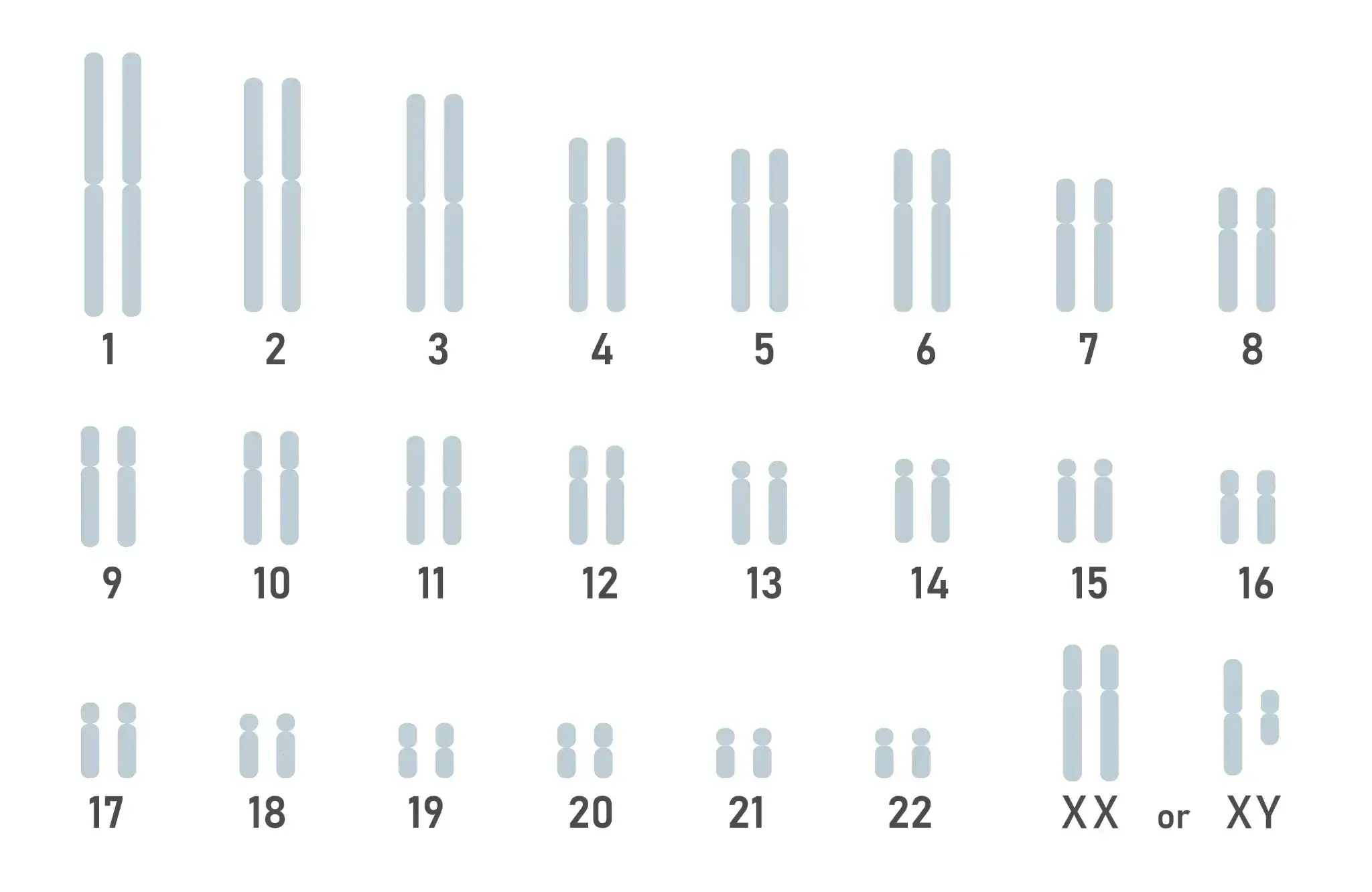
Schematic diagram of DNA map present in cells
- ■
- ■
- ■
- ■
- ■
- ■
- ■
- ■
- ■
Related genes
| Related genes | D2HGDH |
|---|---|
| Related genes | PTPN22 |
Frequently asked questions (FAQ)
Q1. What is the risk of severe allergies?
The risk of severe allergic reactions is an indicator that indicates the possibility that allergic reactions will become more severe due to changes in the number of white blood cells such as basophils and eosinophils, as well as genetic factors.Carriers of the G mutation in the DNA region rs34290285 tend to be at increased risk (1).
Q2. What is the relationship between basophils/eosinophils and allergies?
When basophils come into contact with allergens, they release histamine.and cause allergic symptoms.Eosinophils increase in response to parasitic infections and allergiesHowever, a high eosinophil/neutrophil count ratio suggests that allergic reactions are more likely to occur (1).
Q3. Can genetic testing determine the risk of severe allergies?
By examining the genotype of the DNA region rs34290285,Understand trends in the risk of allergies becoming more severeYou can. A University of Cambridge study found that people with the G mutation genotype tend to be at higher risk (1).
Q4. How can I prevent allergies from becoming more serious?
Identification and avoidance of allergens, appropriate use of antihistamines, immunotherapy (desensitization therapy), improvement of living environment(Air purification and dust mite control) are effective. It is also important to monitor basophil and eosinophil counts through regular blood tests.
References
- Reference link 1: 2016 Nov., William J Astle, Cell