
 alcoholic liver damage

- Alcoholic liver disease (ALD) is a disease in which the liver is damaged by long-term drinking.The disease progresses in three stages: fatty liver → hepatitis → cirrhosis.
- G-type mutation in DNA region rs738409Research shows that people with the disease tend to be at higher risk of developing
- Abstinence/temperance and early detectionIt is possible to suppress the progression of liver damage and restore liver function.
Overview Alcoholic liver disease (ALD) is a condition that affects the liver caused by long-term alcohol consumption. The liver is an important organ that cleanses the body of toxins, processes nutrients, and aids in digestion, and is damaged by long-term exposure to alcohol. The disease progresses in stages, first manifesting as fatty liver (fat builds up within liver cells). Many people do not experience symptoms at this stage, but some may experience fatigue and abdominal discomfort. As the condition progresses, it can progress to the more serious form of alcoholic hepatitis. This is accompanied by liver inflammation and cell death. If the disease progresses to this stage, symptoms may include jaundice, severe pain in the upper abdomen, fever, and nausea. The most severe form is cirrhosis, in which healthy liver tissue is replaced by scar tissue, disrupting liver structure and function. Symptoms may include ascites, easy bleeding, hepatic encephalopathy (confusion or altered consciousness), and variceal bleeding. The progression of ALD and the severity of symptoms are influenced by the amount and duration of alcohol intake, genetic factors, and other health conditions. Early detection and limiting alcohol intake can slow disease progression, prevent liver damage, and promote recovery of liver function. A study by Kim et al. of Ajou University revealed that the risk of developing alcoholic liver disease is associated with a DNA region called rs738409. There are three genotypes in this DNA region: CC, CG, and GG, and it was found that people with the G genotype tend to have a higher risk of alcoholic liver damage.
What is alcoholic liver disease?
Alcoholic liver disease (ALD) disease) is a general term for diseases in which the liver is damaged by long-term alcohol consumption.The liver is an important organ that breaks down toxins in the body, metabolizes nutrients, and aids in digestion, and long-term exposure to alcohol reduces its function.
Causes and risk factors for alcoholic liver damage
The main cause isExcessive alcohol consumption over a long period of timeIt is. The following factors increase risk:
- Amount and duration of drinking:Drinking 40g/day or more of pure alcohol for men and 20g/day or more for women for 5 years or more
- Gender:Women are more sensitive to alcohol than men
- Genetic predisposition:PNPLA3 gene (rs738409) type G mutation carrier
- Nutritional status:Progression accelerates when malnutrition and obesity are present
- Comorbidities:Risk increases with combination of hepatitis B and C
Three progressive stages of alcoholic liver damage
ALD isProgress through three stagesI will. The characteristics of each stage are shown below.
| advanced stage | condition | Main symptoms | reversibility |
|---|---|---|---|
| Stage 1: Fatty liver | Fat accumulates within liver cells | Almost no symptoms (fatigue, abdominal discomfort) | Can be recovered by quitting drinking |
| Stage 2: Alcoholic hepatitis | Liver inflammation and cell necrosis | Jaundice, upper abdominal pain, fever, nausea | Can be improved with early treatment |
| Stage 3: Cirrhosis | Fibrosis/scarring of liver tissue | Ascites, bleeding tendency, hepatic encephalopathy, variceal bleeding | Irreversible (may require transplantation) |
Risk of complications from alcoholic liver damage
Without proper treatment, the following complications may occur:
- Portal hypertension(esophageal varices/splenomegaly)
- hepatocellular carcinoma(Risk of developing liver cirrhosis)
- hepatorenal syndrome(Rapid deterioration of renal function)
- hepatic encephalopathy(Consciousness disorder/cognitive function decline)
Prevention and countermeasures for alcoholic liver damage
Abstinence from drinking alcohol is the most effective prevention method.The following measures are recommended:
- Control the amount of alcohol consumed below the appropriate amount (Ministry of Health, Labor and Welfare guideline: pure alcohol 20g/day or less)
- Have at least two rest days a week
- Regular liver function tests (AST, ALT, γ-GTP)
- Practice a well-balanced diet and moderate exercise
- Prevention of hepatitis virus infection and implementation of testing
Relationship between genes and alcoholic liver damage
Relationship between DNA region rs738409 and onset risk
A study by Kim et al. of Ajou University (1) revealed that the DNA region rs738409 is associated with the risk of developing alcoholic liver damage.
- There are three genotypes of rs738409: CC, CG, and GG.
- Genotype with type G mutationpeople tend to be at higher risk of alcoholic liver damage
Genotype distribution in Japanese (rs738409)
| Genotype | Percentage of Japanese people | percentage of the world |
|---|---|---|
| CC type | 33.2% | 61.6% |
| CG type | 48.8% | 33.7% |
| GG type | 17.8% | 4.6% |
In JapaneseCG type has the highest percentage at 48.8%, and the prevalence of type G mutations tends to be higher than the global average (33.7%). GG type also accounts for 17.8% of Japanese people, while the world average is 4.6%, which is a big difference.
Rationale for testing
Superficial DNA region: alcoholic liver damage
The gene region that most strongly influences alcoholic liver damage is rs738409. The distribution of isomorphic genotypes in Japan is as follows.
- CC
33.2 % - CG
48.8 % - GG
17.8 %
Basis for inspection
A study by Kim et al. of Ajou University revealed that the risk of developing alcoholic liver disease is related to genes. There is a region called rs738409 in the human genome, and there are two types of mutations, C and G, in the gene in this region. It was found that people with type G mutations tend to have a higher risk of alcoholic liver damage.
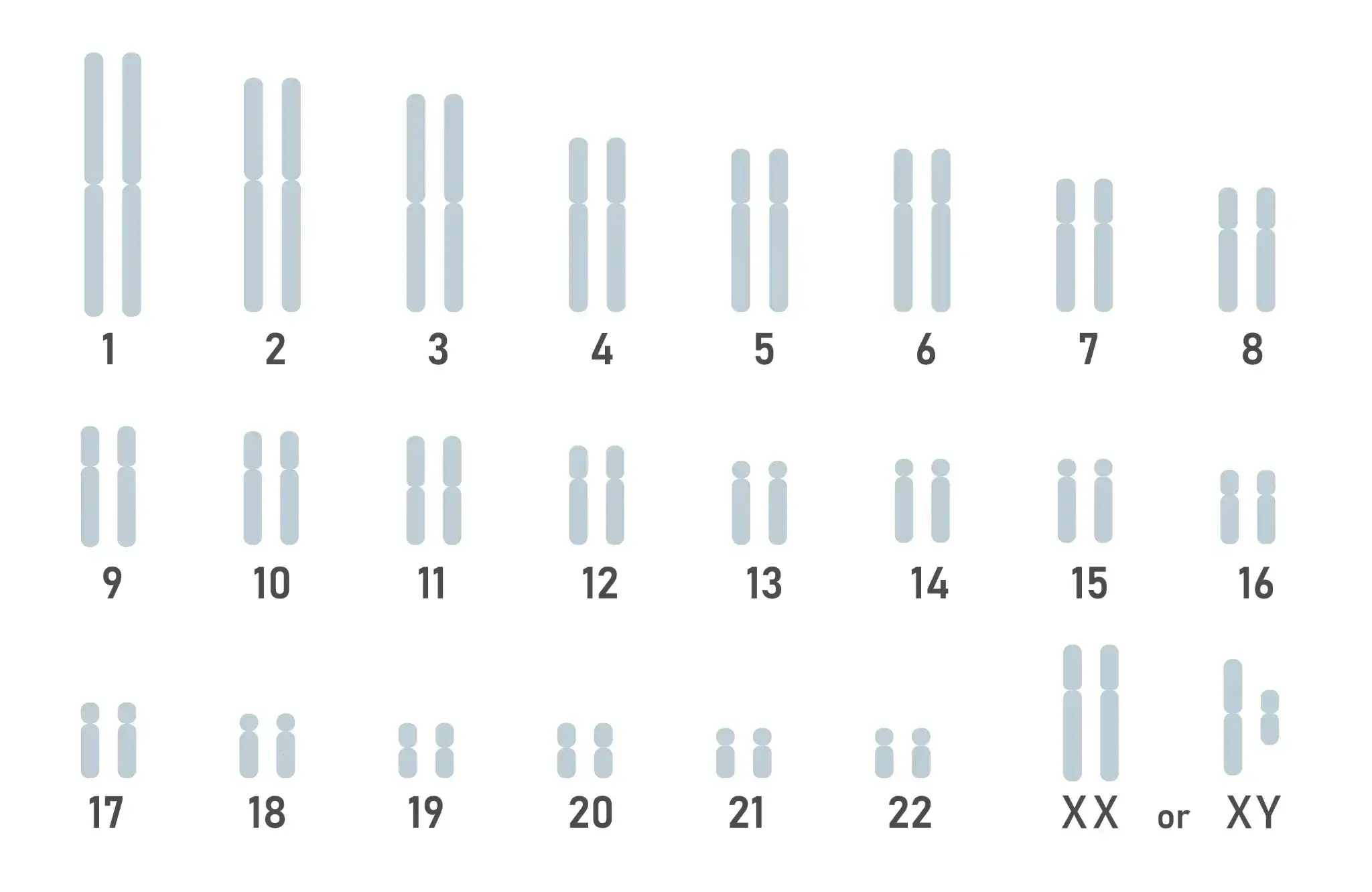
The DNA region investigated this time
Schematic diagram of DNA map present in cells
- ■
- ■
- ■
- ■
- ■
- ■
- ■
- ■
- ■
Related genes
| Related genes | PNPLA3 |
|---|
Frequently asked questions (FAQ)
Q1. What is alcoholic liver damage?
Alcoholic liver disease (ALD) is a general term for diseases in which the liver is damaged by long-term alcohol consumption.Fatty liver disease progresses in three stages: fatty liver → alcoholic hepatitis → cirrhosis, and fatty liver disease is observed in approximately 20-30% of adults who drink alcohol (1).
Q2. What is the cause of alcoholic liver damage?
The main cause isExcessive alcohol consumption over a long period of timeIt is. The risk increases if men drink more than 40 g/day of pure alcohol and women drink more than 20 g/day of pure alcohol for more than 5 years. Genetic predisposition (rs738409 G mutation) also plays a role in the onset (1).
Q3. Can genetic testing determine the risk of alcoholic liver disease?
By examining the genotype of the DNA region rs738409,Understanding trends in the risk of developing alcoholic liver damageYou can. A study by Kim and colleagues at Ajou University found that people with the G mutation genotype tend to be at higher risk (1).
Q4. What are the symptoms of alcoholic liver damage in stages?
In stage 1 fatty liverAlmost no symptoms. In the second stage of alcoholic hepatitis, jaundice, abdominal pain, and fever appear. In stage 3 liver cirrhosis, serious symptoms such as ascites, bleeding tendency, and hepatic encephalopathy occur.
References
- Reference link 1: 2022 Feb., Kwang Yoon Kim, Hepatology