
 alcoholism

- Alcoholism is a mental illness that makes it difficult to control drinking.According to WHO reports, approximately 283 million people worldwide are infected.
- Type A mutation in DNA region rs60610174A University of Pennsylvania study found that people with
- appropriatePsychosocial treatment, drug therapy, and improvement of living environmentRecovery is possible by
Overview Alcoholism is a condition in which alcohol is used in excess or over a long period of time, which can seriously affect one's health and lifestyle. In this condition, people are unable to stop drinking alcohol even if they want to, and they are unable to control how much or how often they drink. Specifically, drinking becomes the center of your life, sacrificing your work, hobbies, family, and relationships. Also, attempts to stop drinking often fail, and a person develops a tolerance to alcohol, requiring more alcohol to feel intoxicated. When you reduce or stop drinking alcohol, you may experience withdrawal symptoms such as trembling, sweating, nausea, and irritability. This disorder is caused by a combination of genetic factors, psychological problems (depression and anxiety disorders), environmental factors (family and social pressures), and socio-economic factors (stress and isolation). Diagnosis is performed by a doctor or specialist, who thoroughly evaluates your drinking habits, health condition, and mental state. Treatment options vary and include counseling, cognitive behavioral therapy, and support groups. Medication may also be helpful, and drugs may be prescribed to reduce alcohol intake. A study by Kranzler et al. at the University of Pennsylvania revealed that the risk of developing alcoholism is associated with a DNA region called rs60610174. There are three genotypes in this DNA region: GG, GA, and AA, and it was found that people with the A genotype tend to have a higher risk of alcohol dependence.
What is alcoholism?
Alcohol dependence (AUD) Drinking disorder) is a mental illness that makes it difficult to control the amount and frequency of drinking, resulting in serious impairments in mental, physical, and social life.According to the WHO 2018 report, it affects approximately 283 million people (5.1% of adults) worldwide and is responsible for approximately 5.3% of all deaths (1).
Causes and mechanisms of alcoholism
Alcohol dependence is not caused by a single cause, but is caused by a combination of the following four factors:
- Genetic factors:Approximately 50% of the risk of developing the disease is due to genetic predisposition (risk increases 3-4 times if there is a family history)
- Mental factors:High comorbidity rate with mental illnesses such as depression, anxiety disorders, and PTSD
- Environmental factors:Family and social drinking culture, peer influence, and ease of access to alcohol
- Neurobiological factors:Changes in the dopamine reward system cause people to repeatedly seek the pleasure of drinking alcohol
Main symptoms of alcoholism
Symptoms progress in stagesHowever, it has characteristics that are difficult to notice in the early stages.
- Unable to control the amount or frequency of drinking
- Drinking becomes the center of your life, sacrificing your work, hobbies, and relationships.
- Increased alcohol tolerance (drinking more to achieve the same intoxication)
- Appearance of withdrawal symptoms (hand tremors, sweating, nausea, irritability, insomnia)
- Repeated attempts to quit drinking fail
Severity classification of alcoholism
| severity | Number of applicable criteria (DSM-5) | Features |
|---|---|---|
| Mild | 2-3 items | Increased alcohol consumption and decreased control |
| moderate | 4-5 items | Decline in social function and appearance of withdrawal symptoms |
| severe | 6 or more items | Significant physical or mental disability |
Risk of complications from alcoholism
Without proper treatment, it can cause the following health hazards:
- liver disease(fatty liver → alcoholic hepatitis → cirrhosis)
- cardiovascular disease(cardiomyopathy, arrhythmia, hypertension)
- neurological disorder(Peripheral neuropathy/Wernicke encephalopathy)
- mental illness(worsening of depression/anxiety disorder)
- digestive cancer(Increased risk of esophageal cancer and liver cancer)
Comparison of treatments
| treatment category | specific method | Features |
|---|---|---|
| psychosocial treatment | Cognitive behavioral therapy, motivational interviewing, AA (support group) | change drinking behavior patterns |
| drug therapy | naltrexone acamprosate disulfiram | Suppresses the desire to drink and reduces withdrawal symptoms |
| Hospital treatment | Detox program/rehabilitation | Performed if there are severe withdrawal symptoms |
The relationship between genes and alcoholism
Relationship between DNA region rs60610174 and onset risk
A study by Kranzler et al. at the University of Pennsylvania (1) revealed that the DNA region rs60610174 is associated with the risk of developing alcoholism.
- There are three genotypes of rs60610174: GG, GA, and AA.
- Genotype with type A mutationpeople tend to be at higher risk of alcohol dependence
Genotype distribution in Japanese (rs60610174)
| Genotype | Percentage of Japanese people | percentage of the world |
|---|---|---|
| GG type | 90.6% | 83.6% |
| GA type | 9.1% | 15.6% |
| AA type | 0.2% | 0.7% |
Rationale for testing
Physical DNA region: alcoholism
The gene region that most strongly influences alcoholism is rs60610174. The distribution of isomorphic genotypes in Japan is as follows.
- GG
90.6 % - GA
9.1 % - AA
0.2 %
Basis for inspection
A study by Kranzler et al. at the University of Pennsylvania revealed that the risk of developing alcoholism is linked to genes. There is a region called rs60610174 in the human genome, and there are two types of mutations, G and A, in the gene in this region. It was found that people with the G-type mutation tend to have a higher risk of alcohol dependence.
The DNA region investigated this time
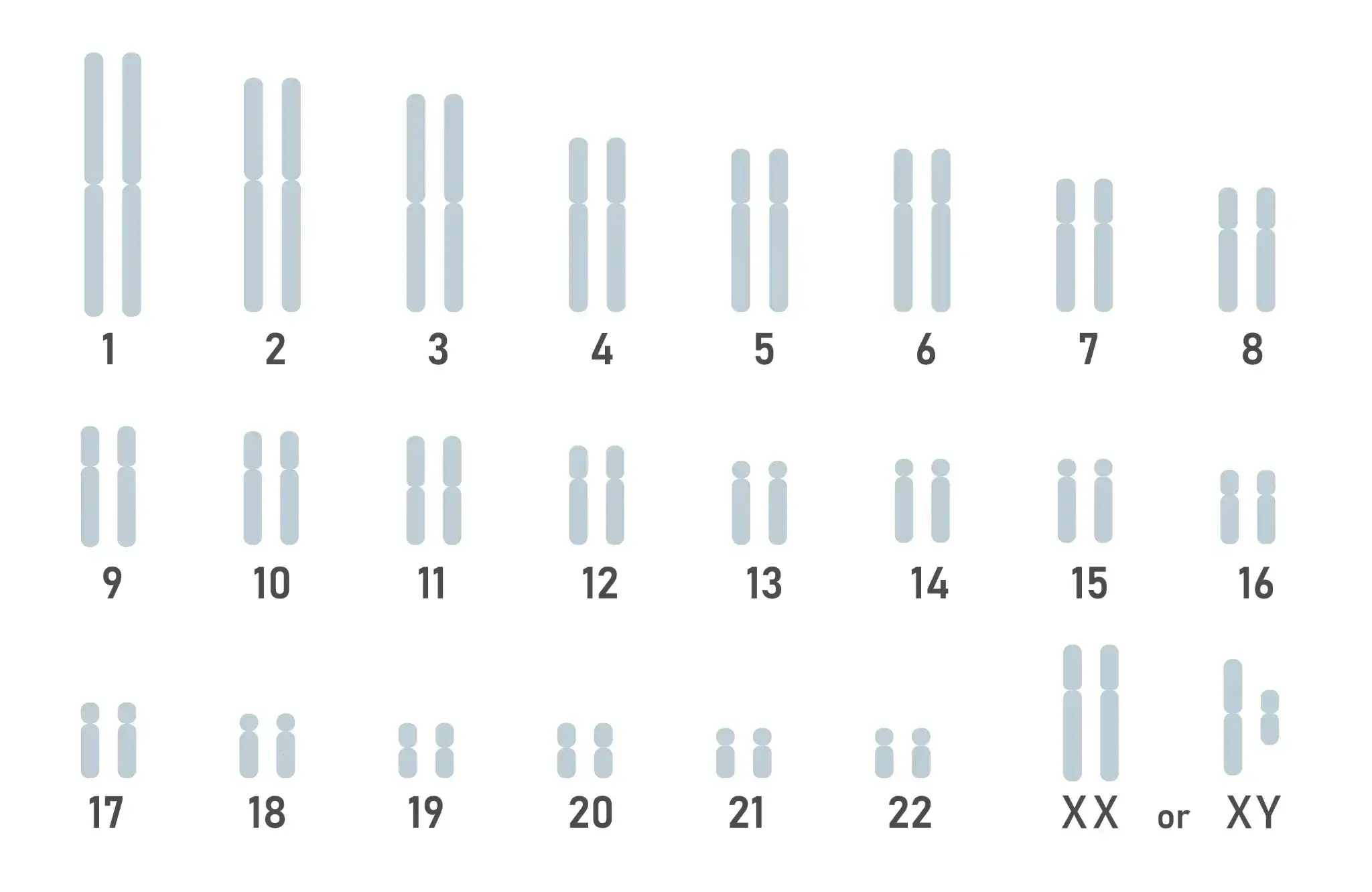
Schematic diagram of DNA map present in cells
- ■
- ■
- ■
- ■
- ■
- ■
- ■
- ■
- ■
Related genes
| Related genes | ZMYM5 |
|---|
Frequently asked questions (FAQ)
Q1. What is alcoholism?
Alcohol dependence (AUD) is a mental illness that makes it difficult to control the amount and frequency of drinking, resulting in serious impairments in mental, physical, and social life.According to a WHO report, approximately 283 million people (5.1% of adults) are affected by it worldwide (1).
Q2. What is the cause of alcoholism?
The main cause isGenetic factors (approximately 50% contribution rate), psychological factors (depression/anxiety disorders), environmental factors (family/social pressure), neurobiological factors (changes in the dopamine reward system)These four factors are involved in a complex manner. Carriers of the type A mutation in the DNA region rs60610174 tend to be at increased risk (1).
Q3. Can genetic testing determine the risk of alcoholism?
By examining the genotype of DNA region rs60610174,Understand trends in the risk of developing alcoholismYou can. A study at the University of Pennsylvania found that people with genotype A mutations (GA and AA) tend to be at higher risk (1).
Q4. What treatments are available for alcohol dependence?
Treatment methods are broadly classified into three types.(1) Psychosocial treatment(cognitive behavioral therapy, motivational interviewing, support groups),(2) Drug therapy(naltrexone, acamprosate, disulfiram),(3) Hospital treatment(Detox program for those with severe withdrawal symptoms).
References
- Reference link 1: 2019 Apr., Henry R Kranzler, Nat Commun