
 albuminuria

- Albuminuria is a condition in which albumin leaks into the urine due to glomerular damage in the kidneys.and is an early indicator of diabetic nephropathy and hypertensive nephrosclerosis.
- G-type mutation in DNA region rs3116613A University of Exeter study found that people with
- UACR inspectionIt is possible to prevent kidney function decline through early detection and blood sugar and blood pressure management.
Overview The urinary albumin-creatinine ratio (UACR) is the value obtained by dividing the albumin concentration in the urine by the creatinine concentration, and is an important index for evaluating renal function and kidney damage. Albumin is a protein in the blood that is normally retained in the blood without passing through the kidneys. However, when kidneys are damaged, albumin leaks into the urine, resulting in a condition called albuminuria. Albuminuria is classified into microalbuminuria and macroalbuminuria, and is an important indicator of the degree of kidney damage. Persistent albuminuria portends kidney disease, especially in people with diabetes and high blood pressure. UACR is a value obtained by adjusting urinary albumin concentration with creatinine concentration, and can more accurately evaluate albuminuria based on changes in urine concentration. Using this ratio, it is possible to assess kidney health early and provide necessary treatment. UACR is used as an important indicator to prevent the progression of kidney disease. A study by Casanova et al. from the University of Exeter revealed that the risk of developing albuminuria is associated with a DNA region called rs3116613. There are three genotypes in this DNA region: TT, TG, and GG, and it was found that people with the G genotype tend to have a higher risk of albuminuria.
What is albuminuria?
Albuminuria is a condition in which the glomeruli of the kidneys become damaged, causing albumin (a protein) normally kept in the blood to leak into the urine.Approximately 20-40% of diabetics develop microalbuminuria, which is considered one of the earliest signs of kidney disease.
Causes and mechanisms of albuminuria
Albumin is a major protein in the blood, and in normal kidneys, the filtering function of the glomerulus prevents it from leaking into the urine. Albumin leaks into the urine when the glomeruli are damaged due to:
- Diabetic nephropathy:Hyperglycemia degenerates the basement membrane of the glomerulus, reducing its filtration function.
- Hypertensive nephrosclerosis:Persistent high blood pressure hardens kidney arterioles
- Glomerulonephritis:Glomerular inflammation due to immune abnormality
- Genetic predisposition:Carriers of type G mutation in DNA region rs3116613 are at high risk
Classification and severity of albuminuria
| classification | UACR value | clinical significance |
|---|---|---|
| normal | Less than 30mg/g | Normal renal function |
| microalbuminuria | 30〜300mg/g | Indicators of early kidney damage |
| Overt albuminuria | 300mg/g or more | progressive renal failure |
What is the UACR test?
UACR (urinary albumin-creatinine ratio)is the urine albumin concentration divided by the creatinine concentration. By using this ratio, the degree of albuminuria can be accurately evaluated without being affected by changes in urine concentration.
- Can be measured using urine at any time (no need to collect urine for 24 hours)
- Early morning urine measurements are most accurate.
- Confirmed diagnosis with 2 or more positive tests within 3-6 months
Main symptoms of albuminuria
In the early stagesThere are no symptomsIt is characterized by this. As the disease progresses, the following symptoms appear.
- Foamy urine (increased proteinuria)
- Swelling (edema): especially in the ankles and face
- Feeling of fatigue/fatigue
- increased blood pressure
Risk of complications with albuminuria
If albuminuria is left untreated, it can lead to the following serious complications:
- End-stage renal disease:Requires dialysis or kidney transplant
- Cardiovascular disease:Risk of myocardial infarction and stroke increases 2-4 times
- Nephrotic syndrome:Generalized edema due to massive proteinuria
Prevention and management of albuminuria
The following lifestyle changes and appropriate treatment can prevent or delay kidney function decline.
- Blood sugar management:Aim for HbA1c less than 7.0%
- Blood pressure management:Maintain below 130/80mmHg
- Diet:Low-salt diet with less than 6g of salt per day
- Moderate exercise:150 minutes or more of aerobic exercise per week
- No smoking:Smoking accelerates kidney function decline
Relationship between genes and albuminuria
Relationship between DNA region rs3116613 and onset risk
A study by Casanova et al. (1) from the University of Exeter found that the DNA region rs3116613 is associated with the risk of developing albuminuria.
- There are three genotypes of rs3116613: TT, TG, and GG.
- Genotype with type G mutationpeople tend to be at higher risk of albuminuria
Genotype distribution in Japanese (rs3116613)
| Genotype | Percentage of Japanese people | percentage of the world |
|---|---|---|
| TT type | 94.3% | 69.1% |
| TG type | 5.6% | 28.0% |
| GG type | 0.1%以下 | 2.8% |
Rationale for testing
Superficial DNA region: albuminuria
The gene region that most strongly influences albuminuria is rs3116613. The distribution of isomorphic genotypes in Japan is as follows.
- TT
94.3 % - TG
5.6 % - GG
0.1%以下
Basis for inspection
A study by Casanova et al. from the University of Exeter revealed that the risk of developing albuminuria is linked to genes. There is a region called rs3116613 in the human genome, and there are two types of mutations, T and G, in the gene in this region. It has been found that people with the G mutation tend to have an increased risk of albuminuria (1).
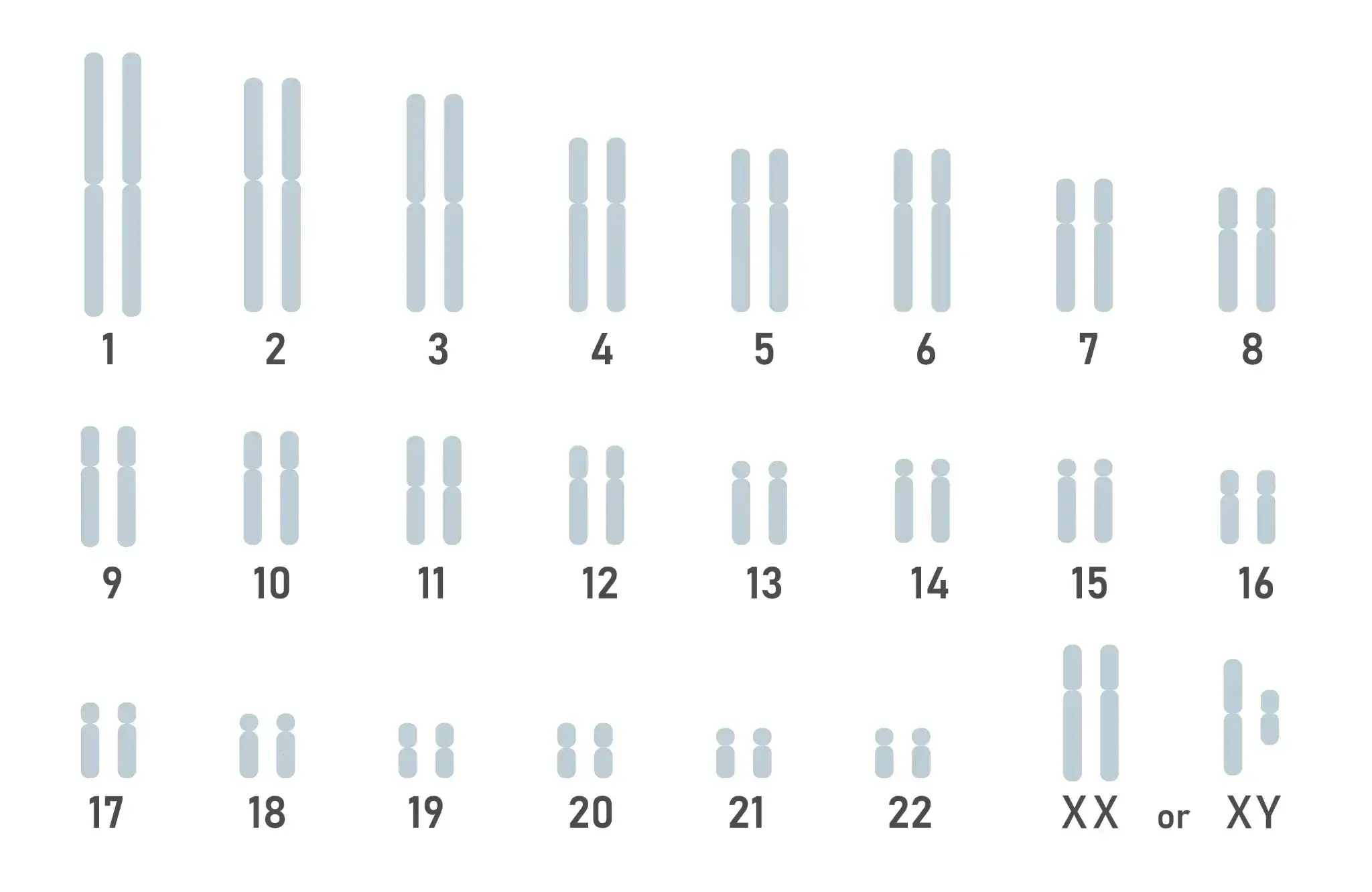
The DNA region investigated this time
Schematic diagram of DNA map present in cells
- ■
- ■
- ■
- ■
- ■
- ■
- ■
- ■
- ■
Related genes
| Related genes | DLEU1 |
|---|
Frequently asked questions (FAQ)
Q1. What is albuminuria?
Albuminuria is a condition in which albumin (a protein in the blood) leaks into the urine due to glomerular damage in the kidneys.It is evaluated by UACR (urinary albumin-creatinine ratio), and microalbuminuria is diagnosed at 30 mg/g or higher, and overt albuminuria at 300 mg/g or higher (1).
Q2. What is the cause of albuminuria?
The main cause isDiabetic nephropathy and hypertensive nephrosclerosisIt is. Approximately 20-40% of diabetics develop microalbuminuria. As a genetic factor, carriers of the G mutation in the DNA region rs3116613 tend to be at higher risk (1).
Q3. How is albuminuria tested?
UACR (urinary albumin-creatinine ratio) testDiagnose with It can be measured with urine at any time, and by correcting the albumin concentration in the urine with the creatinine concentration, accurate evaluation is possible regardless of the dilution level of the urine.
Q4. Can genetic testing determine the risk of albuminuria?
By examining the genotype of DNA region rs3116613,Understand the risk trend of developing albuminuriaYou can. A study from the University of Exeter found that people with the G mutation genotype tend to be at increased risk (1).
Q5. Is there a way to prevent albuminuria?
Appropriate management of blood sugar levels and blood pressureis the most important. HbA1c It is possible to prevent kidney function decline by aiming for a blood pressure of less than 7.0% and blood pressure of less than 130/80 mmHg, and practicing a low-salt diet, moderate exercise, and quitting smoking.
References
- Reference link 1: 2019 Dec., Francesco Casanova, Hum Mol Genet