
 age-related neurosis

- Age-related neurosis is a phenomenon in which anxiety, depression, and emotional instability increase with age., health, social changes, and economic concerns amplify the risk.
- Type A mutation in DNA region rs9561329A study by Calboli (2010) found that people with
- appropriatePsychological support, social connections, exercise therapy (150 minutes or more per week), medical interventionSymptoms can be reduced and prevented by
Overview Age-related neuroticism refers to the increase in neuroticism in individuals as they grow older. Specifically, anxiety, depression, emotional instability, worry, and irritability tend to increase. People with high levels of neuroticism tend to experience more negative emotions than positive ones. As we grow older, these neurotic traits may increase. This can be related to health, well-being, financial concerns, and may involve physical or cognitive decline. Older people often face major changes, such as retirement, the death of a loved one, or a change in social status. These changes can increase stress and increase neuroticism. However, it varies greatly among individuals and is influenced by factors such as genetics, experience, coping strategies, and social support. Understanding and appropriately addressing this neurotic tendency is important to promote psychological health and well-being in older adults. A comprehensive approach is needed, including psychological support, social interaction, and medical care as needed. A study by Calboli et al. of the Imperial College, University of London revealed that the risk of developing age-related neurosis is associated with a DNA region called rs9561329. There are three genotypes in this DNA region: AA, AG, and GG, and it has been found that people with the A genotype tend to have a higher risk of age-related neurosis.
What is age-related neurosis?
Age-related neurosis is a phenomenon in which neurotic tendencies such as anxiety, depression, emotional instability, worry, and irritability increase as we age.People with high levels of neuroticism tend to feel more negative emotions than positive emotions (1).
Causes and mechanisms of age-related neurosis
The main cause of age-related neuroses is the combined effect of genetic predisposition and environmental changes. As we age, in addition to physical and cognitive decline, the following environmental changes amplify stress and manifest neurotic tendencies.
- Changes in health:Increased anxiety due to physical and cognitive decline
- Social change:Retirement, death of a relative, change in social status
- Financial anxiety:Reduced income or future financial concerns
- Genetic factors:Type A mutation in DNA region rs9561329 is involved
The onset of the disease varies from person to person, and is influenced by multiple factors such as genetics, experience, coping methods, and social support (1).
Main symptoms of age-related neurosis
The following symptomsAppears slowly with ageI will.
- Persistent anxiety/worry
- Increased depressed mood
- Emotional instability/irritability
- amplification of negative emotions
- Increased sensitivity to stress
Difference between age-related neurosis and normal aging changes
| Comparison items | age-related neurosis | normal aging changes |
|---|---|---|
| Main features | Significant increase in anxiety, depression, and emotional instability | Gradual decline in physical function |
| Impact on daily life | Level that causes trouble | Applicable range |
| genetic involvement | Associated with type A mutation of rs9561329 | Limited association with specific genetic mutations |
| Need for intervention | Psychological support and medical intervention are effective | Can be treated by adjusting lifestyle habits |
How to prevent and deal with age-related neurosis
To promote psychological health and well-being in older adults, it is important to understand neuroticism and approach it holistically.
| How to deal with it | Specific content |
|---|---|
| psychological support | Counseling/Cognitive Behavioral Therapy (CBT) |
| social connections | Community activities/maintaining interaction with family |
| exercise therapy | Moderate aerobic exercise/walking (150 minutes or more per week recommended) |
| medical intervention | Medication therapy and specialist consultation as necessary |
The relationship between genes and age-related neurosis
Relationship between DNA region rs9561329 and onset risk
A study by Calboli (2010) from the Imperial Institute, University of London, found that the DNA region rs9561329 was associated with the risk of developing age-related neurosis.
- There are three genotypes of rs9561329: AA, AG, and GG.
- Genotype with type A mutation(AA/AG) people tend to have a higher risk of age-related neurosis
Genotype distribution in Japanese (rs9561329)
| Genotype | Percentage of Japanese people | percentage of the world |
|---|---|---|
| AA type | 38.4% | 78.5% |
| AG type | 47.1% | 20.1% |
| GG type | 14.4% | 1.2% |
Rationale for testing
Superficial DNA region: age-related neurosis
The gene region that most strongly influences age-related neuropathy is rs9561329. The distribution of isomorphic genotypes in Japan is as follows.
- AA
38.4 % - AG
47.1 % - GG
14.4 %
Basis for inspection
A study by Calboli et al. of the Imperial College, University of London revealed that the risk of developing age-related neurosis is linked to genes. There is a region called rs9561329 in the human genome, and there are two types of mutations, A and G, in the gene in this region.People with type A mutations tend to have a higher risk of age-related neurosisIt turns out that there is (1).
The DNA region investigated this time
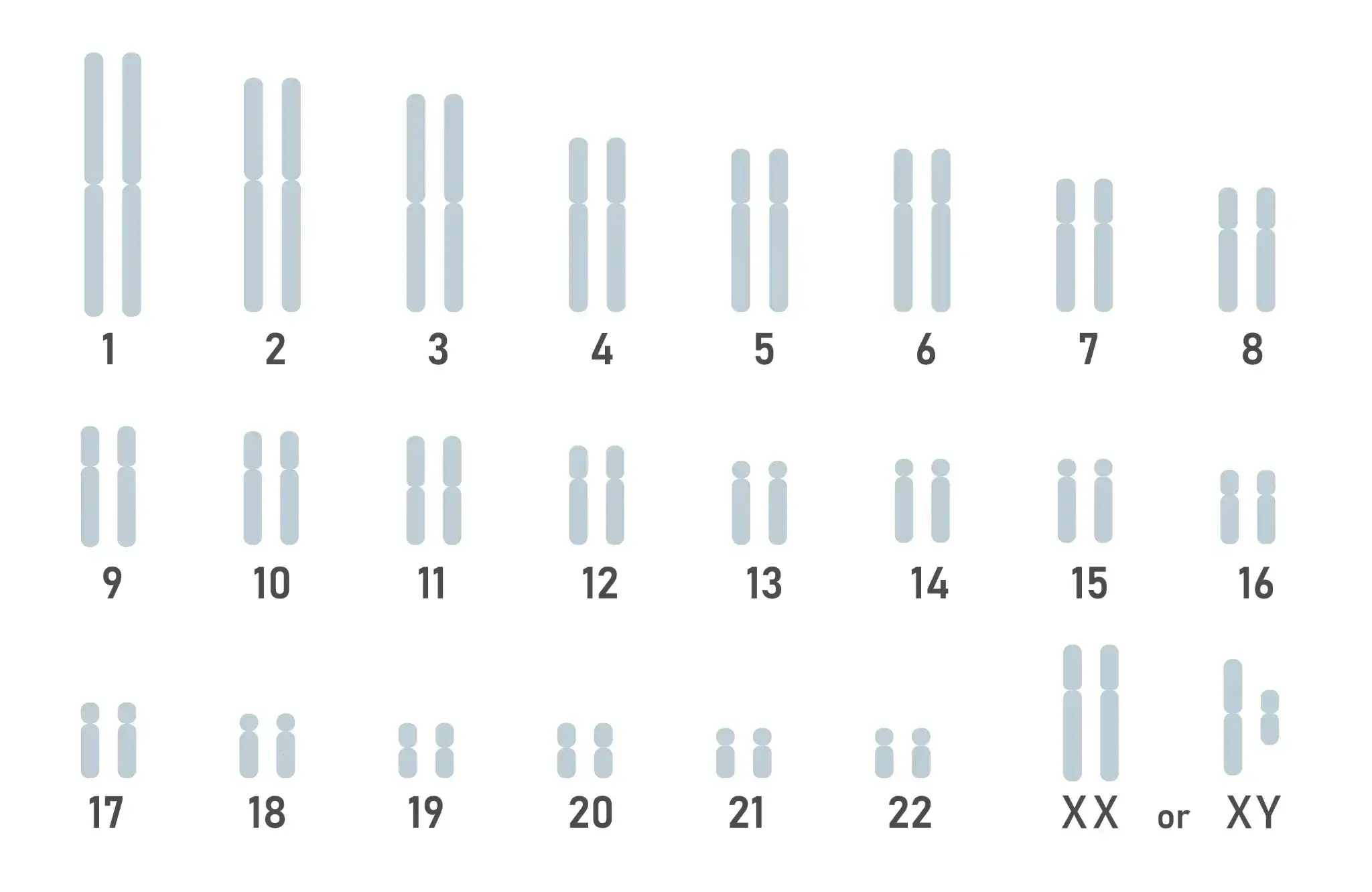
Schematic diagram of DNA map present in cells
- ■
- ■
- ■
- ■
- ■
- ■
- ■
- ■
- ■
Related genes
| Related genes | GPC6 |
|---|
Frequently asked questions (FAQ)
Q1. What is age-related neurosis?
Age-related neurosis is a phenomenon in which neurotic tendencies such as anxiety, depression, and emotional instability increase as we age.Changes in health, finances, and social status amplify stress, and neuroticism becomes apparent (1).
Q2. What is the cause of age-related neurosis?
The main cause isGenetic predisposition and age-related environmental changesIt is. Retirement, death of a relative, and change in social status increase stress. People with the type A mutation in the DNA region rs9561329 tend to be at increased risk (1).
Q3. Can genetic testing determine the risk of age-related neurosis?
By examining the genotype of the DNA region rs9561329,Understanding trends in the risk of developing neuroses associated with agingYou can. Studies have shown that people with the genotype A mutation (AA/AG) tend to be at higher risk (1).
Q4. Is there a way to prevent age-related neurosis?
Psychological support (counseling/cognitive behavioral therapy), maintaining social connections, moderate exercise (more than 150 minutes of aerobic exercise per week)A comprehensive approach, including medical intervention as needed, is effective. Early self-understanding and treatment are important.
Q5. What is the difference between age-related neurosis and normal aging changes?
Normal aging changes are a gradual decline in physical function, but age-related neurosisAnxiety, depression, and emotional instability increase to a level that interferes with daily lifeIt is a state of doing. A genetic predisposition (rs9561329 type A mutation) is involved and can be alleviated with appropriate intervention (1).
References
- Reference link 1: 2010 Jul., Federico C F Calboli, PLoS One