
 Trends in menarche age

- Menarche (first onset of menstruation) is an important biological indicator of female pubertyThe world average is about 12 to 13 years old.
- C-type mutation in DNA region rs7759938Research shows that people with 200% tend to have menarche at a younger age
- In addition to genetic factors, the age of menarche is determined byNutritional status, environment, and socio-economic factorshave a complex influence
Overview The age of menarche is the age at which a woman experiences her first menstrual period, marking the onset of puberty and the acquisition of fertility. This biological milestone is an important indicator of a woman's health and development and usually occurs between the ages of 10 and 16. The global average is about 12 to 13 years. However, the exact timing varies widely depending on a combination of genetic, nutritional, environmental, and socio-economic factors. For example, good nutrition and medical care can hasten menarche, while chronic illness and malnutrition can delay it. The timing of menarche is important not only from a physiological perspective but also from a psychosocial perspective. Menarche can impact young women's physical self-perception, emotional health, and social interactions. Early or late onset of menarche is associated with health consequences such as cardiovascular disease, reproductive problems, and certain cancers later in life. Therefore, age at menarche is an important indicator of potential medical, psychological, and environmental concerns. A study by Perry et al. of the Peninsula University of Medicine and Dentistry revealed that trends in the age of menarche are associated with a DNA region called rs7759938. There are three genotypes in this DNA region: CC, CT, and TT, and it was found that people with the C genotype tend to have a lower age at menarche.
What is the age of menarche?
Age at menarche (age at first menstruation) is the age at which a woman experiences her first menstrual period, and is an important biological indicator of the onset of puberty and the acquisition of fertility.It usually occurs between the ages of 10 and 16, with the global average being around 12 to 13 years.
What are the factors that affect the age of menarche?
The exact timing of menarche is determined by a combination of factors:
- Genetic factors:Type C mutation in DNA region rs7759938 is associated with lower age at menarche
- Nutritional status:Adequate nutrition and medical access tend to accelerate menarche
- Environmental factors:Chronic illness and malnutrition tend to delay menarche
- Socioeconomic factors:Living standards influence menarche timing
Relationship between age at menarche and health risks
The age of menarche isPhysiological and psychosocial perspectivesIt has important meaning on both sides.
- Menarche is a young woman'sPhysical self-awareness, emotional health, and social interactionaffect
- Early menarche (under 12 years old)For: increased risk of cardiovascular disease, reproductive problems, and certain cancers such as breast cancer
- Late menarche (after age 16)In case of: Possible decrease in bone density and impact on reproductive function
Comparison of health effects related to early/delayed age of menarche
| Comparison items | Early menarche (under 12 years old) | Late menarche (after age 16) |
|---|---|---|
| cardiovascular risk | upward trend | Normal to low |
| cancer risk | Increased risk of breast cancer | Low |
| bone density | Normal | Possible decline |
| reproductive function | Normal | Potential impact |
| Psychosocial effects | Early formation of physical self-awareness | Psychological anxiety about developmental delay |
Why is age at menarche an important health indicator?
The age of menarche isKey indicators for potential medical, psychological and environmental concernsIt is positioned as. It is also attracting clinical attention for the following reasons.
- across the women's life coursePredictors of disease riskbecomes
- As an indicator of nutritional and environmental factorsPopulation health assessmentused for
- In combination with genetic testingApplication to personalized medicineis expected
Relationship between genes and age at menarche
Relationship between DNA region rs7759938 and age of menarche
A study by Perry et al. (1) of the Peninsula University of Medicine and Dentistry found that the DNA region rs7759938 is associated with trends in age at menarche.
- There are three genotypes of rs7759938: CC, CT, and TT.
- Genotype with type C mutationPeople with menarche tend to have a younger age
Genotype distribution in Japanese (rs7759938)
| Genotype | Percentage of Japanese people | percentage of the world |
|---|---|---|
| CC type | 6.9% | 10.3% |
| CT type | 38.9% | 43.6% |
| TT type | 54.1% | 45.9% |
Rationale for testing
Surface DNA region: Trends in age at menarche
The gene region that most strongly influences trends in age at menarche is rs7759938. The distribution of isomorphic genotypes in Japan is as follows.
- CC
6.9 % - CT
38.9 % - TT
54.1 %
Basis for inspection
A study by Perry et al. of the Peninsula University of Medicine and Dentistry revealed that trends in the age of menarche are related to genes. There is a region called rs7759938 in the human genome, and the gene in that region has two types of mutations, C and T. It was found that people with type C mutations tend to have a younger age at menarche.
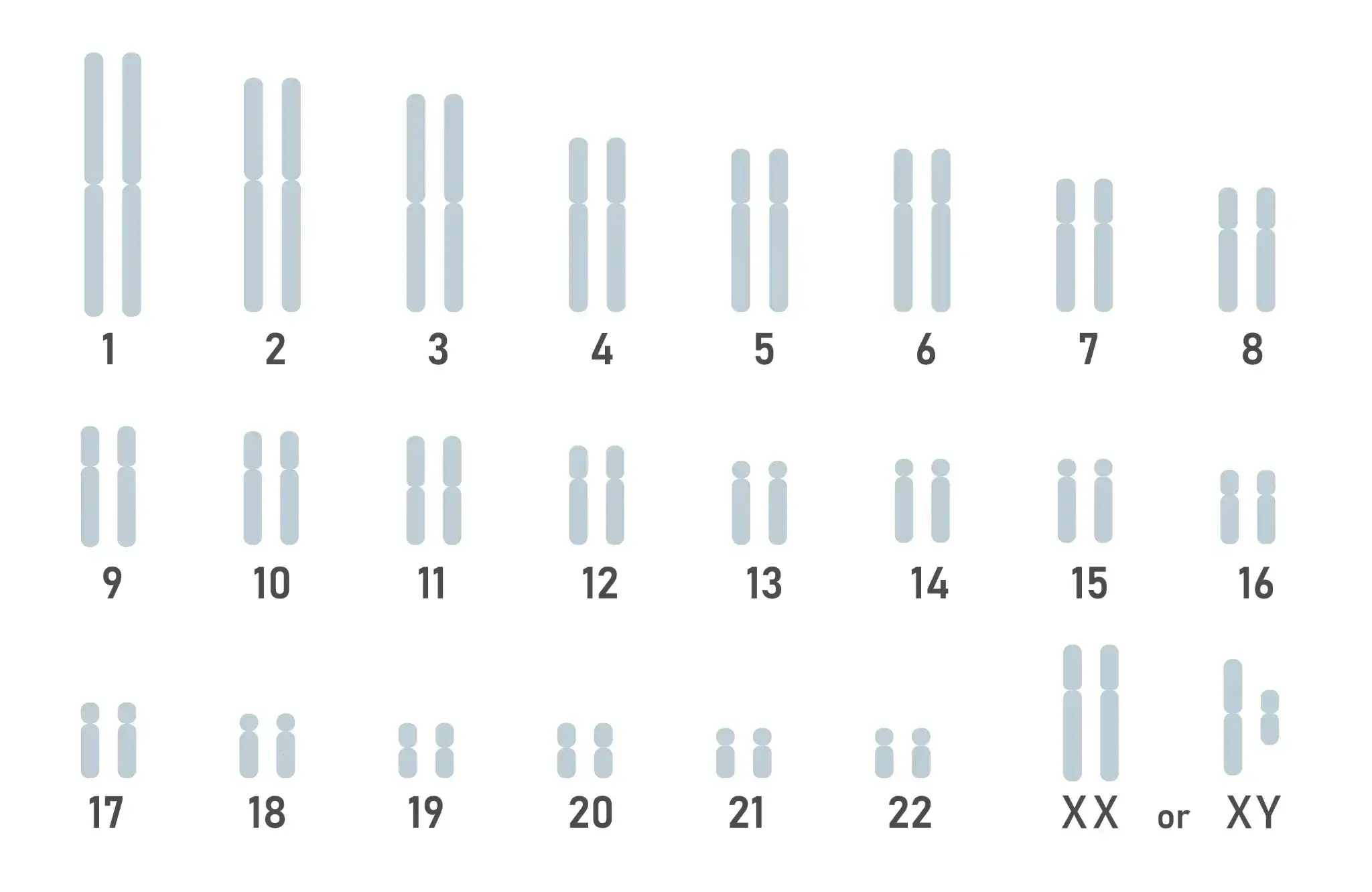
The DNA region investigated this time
Schematic diagram of DNA map present in cells
- ■
- ■
- ■
- ■
- ■
- ■
- ■
- ■
- ■
Related genes
| Related genes | LIN28B-AS1 |
|---|
Frequently asked questions (FAQ)
Q1. What is the age of menarche?
Age at menarche (age at first menstruation) is the age at which a woman experiences her first menstrual period.It is an important biological indicator of the onset of puberty and the acquisition of fertility, and usually occurs between the ages of 10 and 16, with a global average of about 12 to 13 years.
Q2. What factors affect the age of menarche?
The age of menarche isGenetic factors, nutritional status, environmental factors, socio-economic factorsdetermined by the combination of Studies have shown that people with the type C mutation in the rs7759938 DNA region tend to have a younger age at menarche (1).
Q3. Are there any health risks if menarche occurs too early?
If menarche occurs early, the risk of menstruation later in lifeIncreased risk of cardiovascular disease, reproductive problems, and certain cancers including breast cancerEpidemiological studies have shown that it may.
Q4. Can genetic testing determine trends in the age of menarche?
By examining the genotype of the DNA region rs7759938,Understand trends in menarche ageYou can. There are three genotypes: CC, CT, and TT, and research has shown that people with the C mutation tend to have a younger age at menarche (1).
References
- Reference link 1: 2009 Jun., John R B Perry, Nat Genet