
 Susceptibility to abdominal obesity

- Abdominal obesity is fat accumulation in the abdomen evaluated by waist circumference or waist-to-hip ratioand is directly linked to the risk of type 2 diabetes, heart disease, and metabolic syndrome
- G-type variation of DNA region rs3989103A study by Imperial College London found that people with the mutation have a higher risk of abdominal obesity
- The G-type variation (GG+GA) carrier rate in Japanese is54.6%and represents a low percentage compared to the world average of 88.4%
Overview Abdominal obesity is characterized by an increase in waist circumference or waist-to-hip ratio. Unlike total body fat evaluated by BMI alone, this characteristic indicates that fat is excessively accumulated around the waist. This fat distribution is closely linked to metabolic health risks and is associated with risks such as type 2 diabetes and heart disease. Waist circumference and waist-to-hip ratio, unlike BMI, take into account fat distribution and individual differences. People with abdominal obesity tend to accumulate fat particularly in the abdomen. This central fat is highly metabolically active in the body and can have adverse effects on health. For example, it can increase inflammation and insulin resistance, and affect the function of internal organs. Generally, abdominal obesity is identified by measuring waist circumference at the narrowest point between the ribs and waist after exhalation, or by waist-to-hip ratio calculated by dividing waist circumference by hip circumference. Higher values indicate more abdominal fat, which can increase the risk of metabolic syndrome. To reduce abdominal fat and improve overall health, lifestyle changes, diet, and exercise are required. A study by Christakoudi et al. at Imperial College London revealed that the risk of developing abdominal obesity is associated with a DNA region called rs3989103. There are three genotypes in this DNA region: GG, GA, and AA, and people with a genotype carrying G were found to have a higher risk of abdominal obesity.
What is abdominal obesity
Abdominal obesity refers to a state in which fat is excessively accumulated in the abdomen, characterized by an increase in waist circumference or waist-to-hip ratio.It reflects fat distribution that cannot be evaluated by BMI and is closely related to metabolic health risks.
Difference between abdominal obesity and BMI
Abdominal obesity is not an indicator of total body fat, but rather evaluates the pattern of fat accumulation in the abdomen. Even with a normal BMI, the risk of abdominal obesity still exists.
| Comparison Item | BMI | Abdominal obesity index |
|---|---|---|
| Measurement Method | Calculated as Weight ÷ Height² | Measured by waist circumference and waist-to-hip ratio |
| Evaluation Target | Total body fat | Fat distribution in the abdomen |
| Reflection of individual differences | Does not consider muscle mass or skeletal differences | Reflects individual differences in fat distribution |
| Metabolic risk prediction | Limited | Directly related to visceral fat, high accuracy |
Health effects of abdominal obesity
Visceral fat accumulating in the abdomen is highly metabolically active and affects overall health. Specific risks are categorized below.
Effect on metabolism
- Insulin resistance:Visceral fat reduces the effect of insulin and increases the risk of type 2 diabetes
- Dyslipidemia:Causes increased triglycerides and decreased HDL cholesterol
- Metabolic syndrome:Increases combined risks of hypertension, hyperglycemia, and dyslipidemia
Impact on organs
- Heart:Risk of coronary artery disease and heart failure increases
- Liver:Causes non-alcoholic fatty liver disease (NAFLD)
- Inflammation:Promotes chronic inflammatory responses and affects systemic organ function
How to measure abdominal obesity
- Waist circumference:Measure the narrowest part between the ribs and waist after exhalation
- Waist-to-hip ratio:Calculated as waist circumference ÷ hip circumference. Abdominal obesity is determined at 0.90 or higher for men and 0.85 or higher for women
How to prevent and improve abdominal obesity
- Aerobic exercise:More than 150 minutes of walking/jogging per week reduces visceral fat
- Dietary management:A balanced diet centered on vegetables and whole grains rich in dietary fiber
- Sleep:7 to 8 hours of adequate sleep suppresses fat accumulation
- Stress management:Prevents excessive secretion of cortisol (stress hormone)
Association between genes and susceptibility to abdominal obesity
Relationship between DNA region rs3989103 and abdominal obesity
A study by Christakoudi et al. at Imperial College London (published in Scientific Reports, 2021) revealed that the risk of developing abdominal obesity is associated with the DNA region rs3989103.
- Three genotypes GG, GA, and AA exist for rs3989103
- Genotypes with G-type variationPeople with (GG/GA type) tend to have a higher risk of abdominal obesity
- This gene region is associated with the FAM167A gene
Comparison of genotype distribution between Japanese and World (rs3989103)
| Genotype | Proportion of Japanese | Proportion of the world |
|---|---|---|
| GG type | 10.6% | 43.5% |
| GA type | 44.0% | 44.9% |
| AA type | 45.3% | 11.5% |
The G-type variation carrier rate (GG+GA) in Japanese is54.6%and is a lower rate compared to the world average of 88.4%. On the other hand, the ratio of AA type in Japanese is45.3%This is about 3.9 times higher than the world average of 11.5%, reflecting the genetic characteristics of the Japanese population.
Other associated DNA regions
Multiple gene regions are involved in abdominal obesity. Below are the main associated DNA regions.
| DNA region | Associated genes | Japanese distribution (risk type carrier rate) |
|---|---|---|
| rs3989103 | FAM167A | GG+GA: 54.6% |
| rs2021885 | LAMB1 | TT+TC: 90.1% |
| rs11144688 | PCSK5 | GG+GA: 99.5% |
| rs1346786 | EFEMP1 | CC+CT: 36.2% |
Theoretical rationale for the test
Representative DNA region: Susceptibility to abdominal obesity
The gene region that most strongly influences susceptibility to abdominal obesity is rs3989103. The distribution of the same genotype in Japan is as follows.
- GG
10.6 % - GA
44.0 % - AA
45.3 %
Another gene region involved in susceptibility to abdominal obesity is rs2021885. The distribution of the same genotype in Japan is as follows.
- TT
47.2 % - TC
42.9 % - CC
9.7 %
Another gene region involved in susceptibility to abdominal obesity is rs11144688. The distribution of the same genotype in Japan is as follows.
- GG
87.8 % - GA
11.7 % - AA
0.3 %
Another gene region involved in susceptibility to abdominal obesity is rs1346786. The distribution of the same genotype in Japan is as follows.
- CC
4.0 % - CT
32.2 % - TT
63.6 %
Basis of testing
A study by Christakoudi et al. at Imperial College London revealed that the risk of developing abdominal obesity is associated with genes. In the human genome, there is a region called rs3989103, and the genes in this region have two types of variations: G and A. People with the G-type variation genotype were found to have a higher risk of abdominal obesity.
DNA regions investigated this time
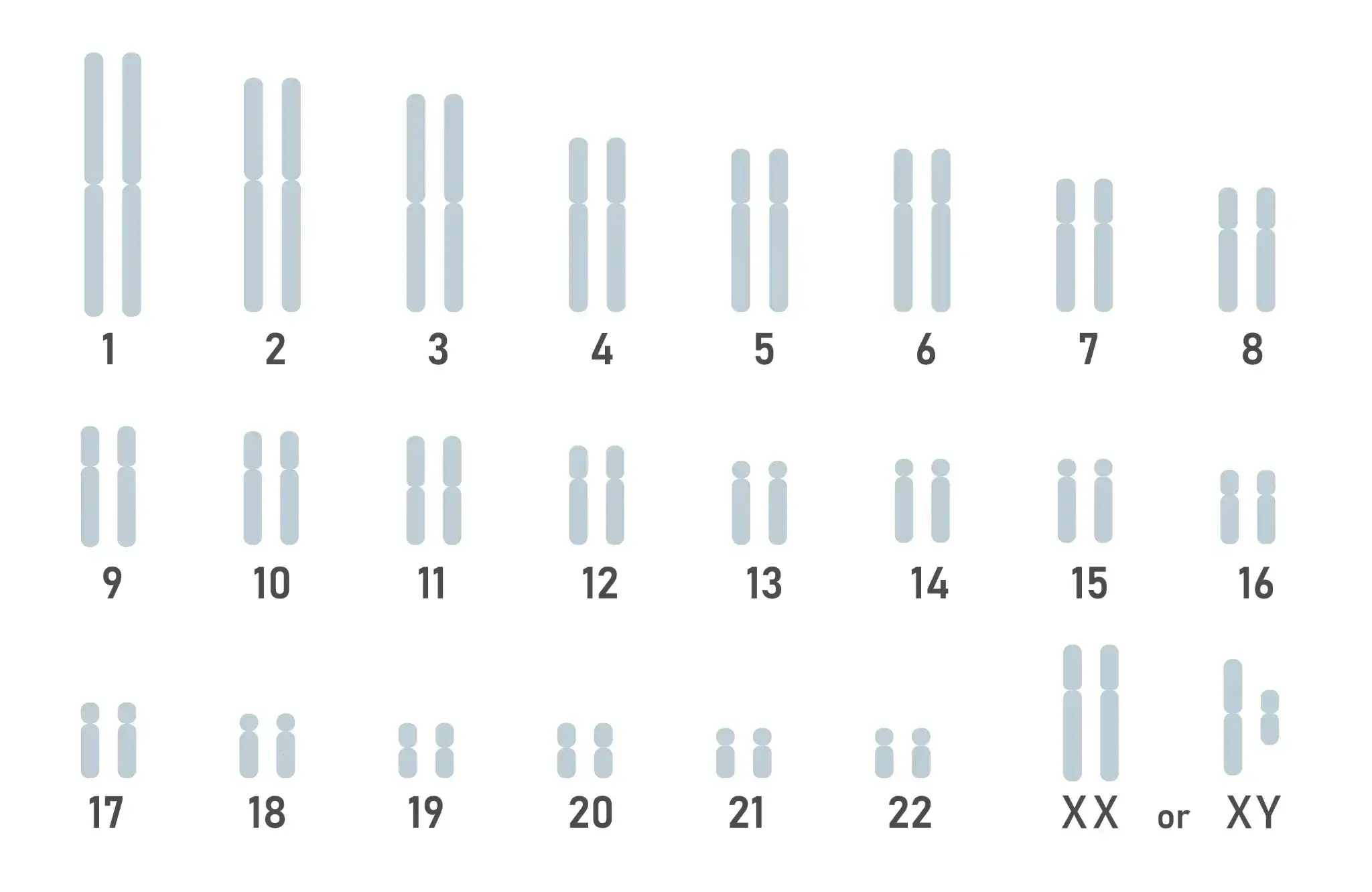
Schematic diagram of a DNA map present in cells
- ■
- ■
- ■
- ■
- ■
- ■
- ■
- ■
- ■
Associated genes
| Associated genes | FAM167A |
|---|---|
| Associated genes | LAMB1 |
| Associated genes | PCSK5 |
| Associated genes | EFEMP1 |
Frequently Asked Questions (FAQ)
Q1. What is abdominal obesity?
Abdominal obesity is defined as a state in which fat is excessively accumulated in the abdomen, defined by an increase in waist circumference or waist-to-hip ratio.Unlike BMI, it reflects the pattern of fat distribution. Visceral fat accumulating in the abdomen is highly metabolically active and increases the risk of type 2 diabetes, heart disease, and metabolic syndrome through increased insulin resistance and promoting chronic inflammation.
Q2. Is susceptibility to abdominal obesity related to genes?
Yes.A study by Christakoudi et al. at Imperial College London (Scientific Reports, 2021) has shown that the DNA region rs3989103 is associated with the risk of abdominal obesity.There are three genotypes for rs3989103: GG, GA, and AA, and people with the G-type variation genotype tend to have a higher risk of abdominal obesity. Other associated DNA regions identified include rs2021885, rs11144688, and rs1346786.
Q3. What is the distribution of the genotype (rs3989103) associated with abdominal obesity in Japanese people?
The distribution of rs3989103 genotypes in Japanese isGG type 10.6%, GA type 44.0%, AA type 45.3%is. Globally, it is GG type 43.5%, GA type 44.9%, AA type 11.5%, and Japanese people have a characteristic where the proportion of AA type is about 3.9 times higher than the world average.
Q4. What is the difference between abdominal obesity and BMI?
BMI is an indicator of total body fat calculated from weight and heightand does not consider fat distribution. On the other hand,Abdominal obesity is evaluated by waist circumference and waist-to-hip ratioand reflects the pattern of fat accumulation in the abdomen. Visceral fat in abdominal obesity has high metabolic activity, and the risk of abdominal obesity exists even if BMI is normal.
Q5. How to prevent and improve abdominal obesity?
To prevent and improve abdominal obesity,Aerobic exercise (walking/jogging more than 150 minutes per week), a balanced diet rich in dietary fiber, adequate sleep (7-8 hours), and stress management are effective. Even if there is a genetic risk, lifestyle improvements can reduce abdominal fat.
References
- Reference Link 1: 2021 May., Sofia Christakoudi, Sci Rep
- Reference Link 2: 2015 Feb., Dmitry Shungin, Nature