
2026.06.02
Conclusion
If you conceived through artificial insemination (AIH), you can still undergo NIPT (Non-Invasive Prenatal Testing). The method of conception does not affect NIPT's accuracy or eligibility requirements.
Why NIPT Can Be Performed After Artificial Insemination (AIH)
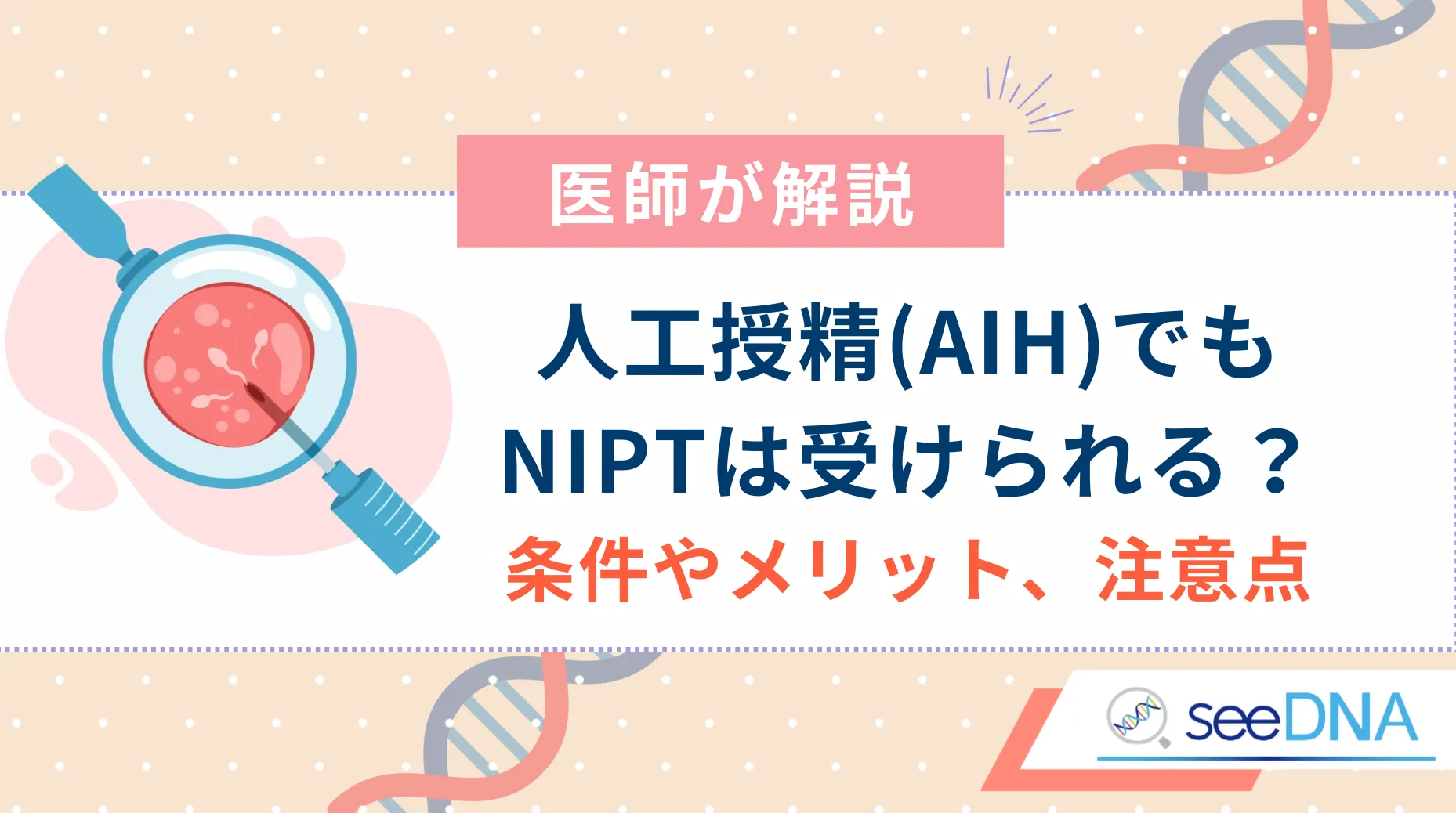
Even for pregnancies conceived through artificial insemination, there are no medical restrictions on undergoing NIPT. This is because the method of fertilization does not affect the process by which fetal-derived DNA, which the test analyzes, is produced.
What Is NIPT (Non-Invasive Prenatal Testing)?
NIPT (Non-Invasive Prenatal Genetic Testing) analyzes fragments of fetal-derived DNA (cffDNA) present in the mother's blood to screen for chromosomal abnormalities.
● Conclusion: From the 10th week of pregnancy onward, the test can be performed with minimal physical burden on the mother.
● Reason: This is because it uses cffDNA released into the maternal bloodstream from the placenta.
● Specific example: The test's accuracy depends on the fetal fraction (FF), which is the proportion of fetal-derived DNA relative to the total DNA in the mother's blood.
The Medical Difference Between Artificial Insemination and Natural Conception
The only difference between artificial insemination (AIH) and natural conception is "the route by which sperm is introduced into the uterus." Once pregnancy is established, the subsequent course is medically identical in both cases. AIH is merely a means of assisting fertilization, and the processes of implantation, placental formation, and fetal development after fertilization are no different from those in natural conception.
| Item | Artificial Insemination (AIH) | Natural Conception |
|---|---|---|
| Route of sperm introduction | Injected into the uterine cavity via catheter | Natural intercourse |
| Fertilization and implantation process | Identical | Identical |
| Production of fetal-derived DNA | Produced from the placenta (identical) | Produced from the placenta (identical) |
Why the Method of Fertilization Does Not Affect NIPT Results
Even under the guidelines of the Japan Society of Obstetrics and Gynecology, the method of fertilization is not listed as a restriction on undergoing NIPT (1).
● Conclusion: You will not be refused NIPT testing because you conceived through artificial insemination.
● Reason: NIPT's eligibility requirements are "gestational age (10 weeks or later)" and "securing a sufficient fetal fraction (FF)" — the circumstances of fertilization are irrelevant.
Precautions and Benefits of NIPT After Artificial Insemination
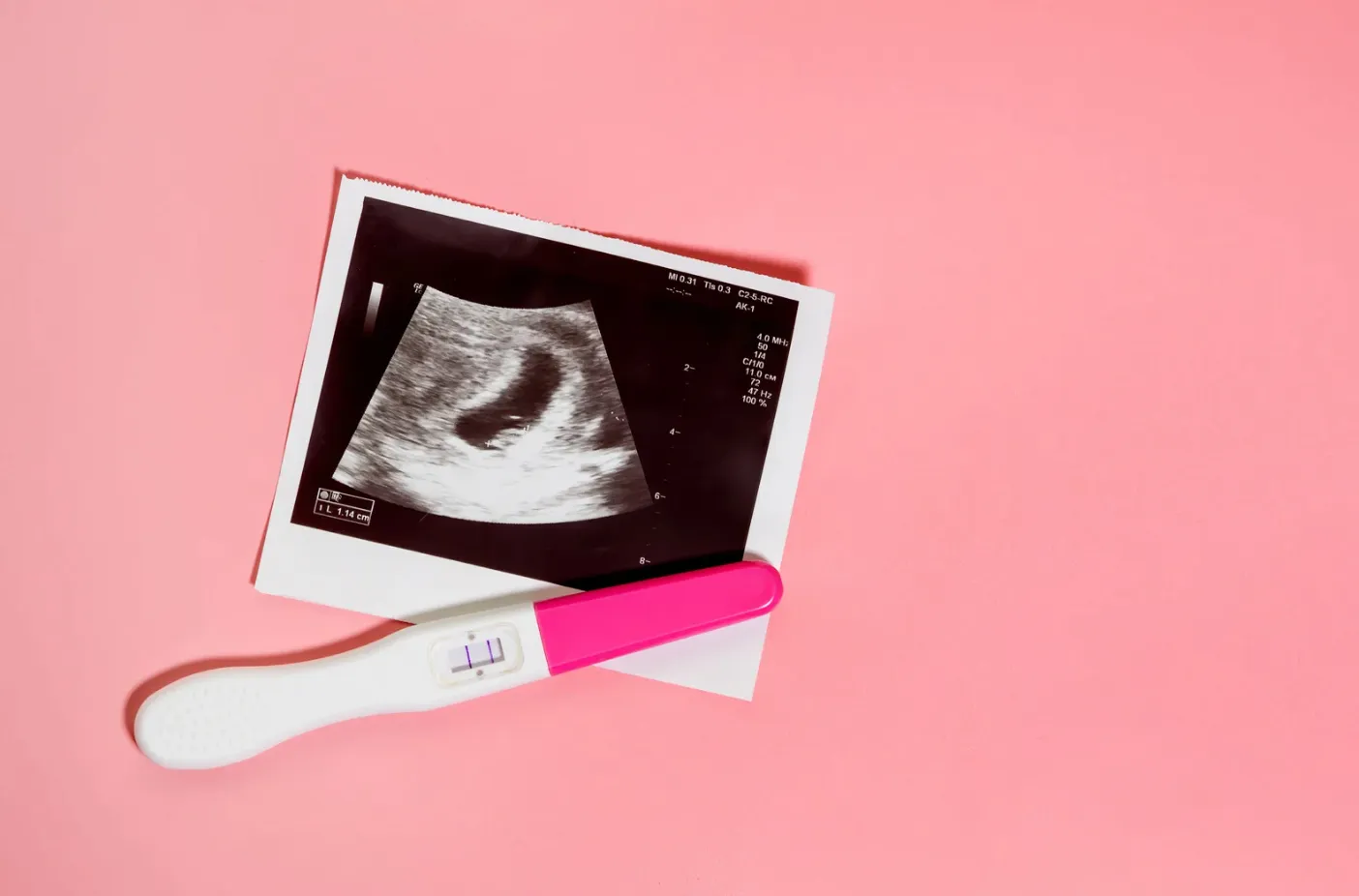
Pregnancies conceived through artificial insemination offer the advantage of knowing the exact date of fertilization, but attention must be paid to how multiple pregnancies and vanishing twin syndrome can affect test accuracy.
Why Accurately Knowing the Gestational Age Matters
Ensuring NIPT's testing accuracy requires precisely identifying the gestational age. Blood must be drawn at the appropriate timing, from the 10th week of pregnancy onward. If the gestational age is too early, the fetal fraction (FF) may fall short of the required threshold, increasing the risk of an inconclusive result (test failure).
The Unique Benefits of Artificial Insemination
When it comes to undergoing NIPT, artificial insemination makes scheduling easier than natural conception. Because treatment involves the use of ovulation induction medication and follicle monitoring, the date of ovulation and fertilization can be clearly identified, allowing the optimal timing for NIPT to be calculated precisely.
The Impact of Multiple Pregnancies and Vanishing Twin Syndrome
In artificial insemination using ovulation induction medication, the probability of a multiple pregnancy such as twins increases, and its effect on NIPT must be taken into account. Multiple pregnancy and vanishing twin syndrome are factors that can reduce the accuracy of NIPT results, because the DNA from multiple fetuses becomes mixed, complicating the analysis. In particular, with vanishing twin syndrome, DNA from the fetus that did not survive can remain in the mother's bloodstream for 8 to 15 weeks or longer after the fetus's demise, causing false-positive results (2).
What NIPT Can Reveal, Its Limits, and How to Interpret Results Correctly
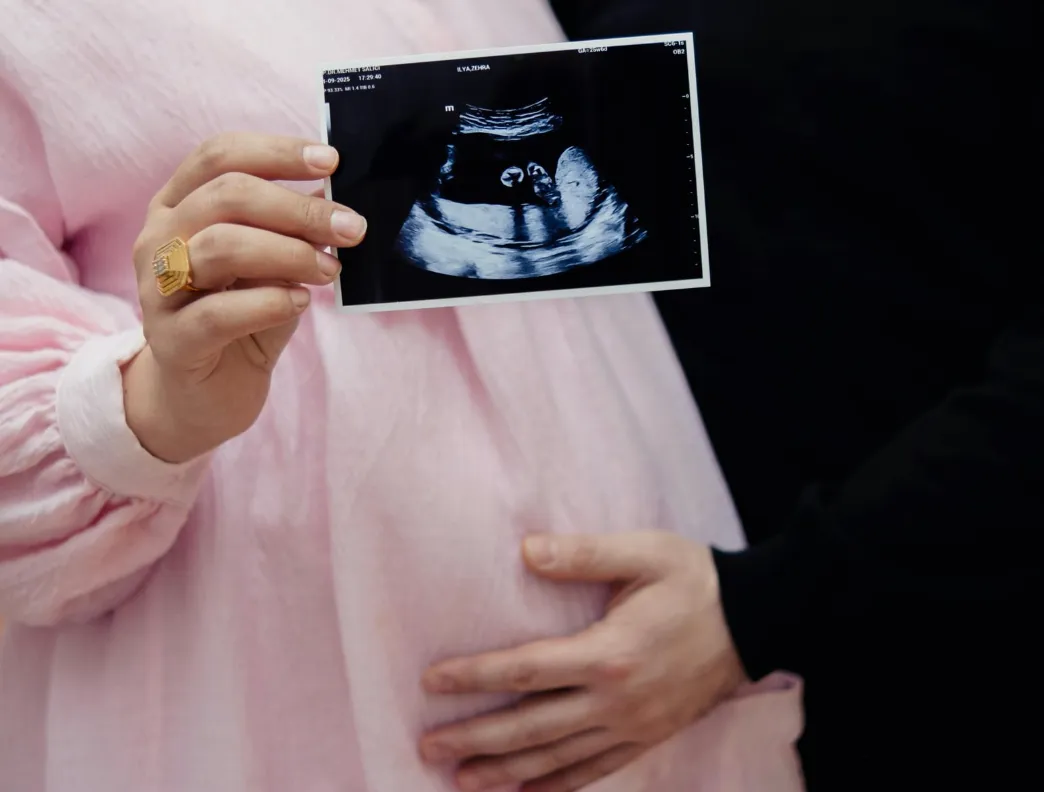
NIPT is an extremely accurate test, but it is important to understand its limitations: it cannot identify every condition, and it does not provide a definitive diagnosis.
What NIPT Can Test For, and Its Limitations
NIPT detects certain chromosomal abnormalities with high accuracy, but it does not cover every congenital condition. Even a negative result does not guarantee that the fetus has no abnormalities whatsoever.
- Detectable: Trisomy 21 (Down syndrome), Trisomy 18 (Edwards syndrome), Trisomy 13 (Patau syndrome)
- Not detectable: Single-gene disorders, structural congenital abnormalities such as heart defects
Why NIPT Is Not a Definitive Test, and Its Positive Predictive Value
NIPT is classified as a screening test and is not used for a definitive diagnosis. A certain proportion of positive results are false positives.
The positive predictive value (PPV) varies by condition, with reported figures of 86.1% for Down syndrome, 57.8% for Edwards syndrome, and 25.0% for Patau syndrome (3).
Why a Confirmatory Test Is Needed for Positive or Inconclusive Results
If NIPT returns a positive or inconclusive result, additional testing is essential before reaching a final medical determination. Be sure to undergo amniocentesis or chorionic villus sampling. These invasive tests directly collect fetal cells to examine the chromosomes and serve as the "confirmatory test" — it is inappropriate to make major decisions based solely on a positive NIPT result.
Why Genetic Counseling Matters
Receiving genetic counseling from a specialist before and after the test can ease psychological burden and support rational decision-making. Information provided by specialists has been shown to significantly reduce anxiety in pregnant women (4). It can offer accurate, evidence-based information and emotional support for the pressures unique to pregnancies that follow fertility treatment.
\Find out your risk of Down syndrome or sex chromosome conditions during pregnancy/
 Apply / Purchase a Kit
FAQ (Frequently Asked Questions)
Q1. Do medications used in artificial insemination affect NIPT results?
A. No, they do not. Because NIPT analyzes fetal-derived DNA released from the placenta, fertility medications such as ovulation induction drugs do not directly affect the test's accuracy or results.
Q2. If I conceived through artificial insemination, when can I have NIPT?
A. As with natural conception, testing is generally available from the 10th week of pregnancy onward. Artificial insemination has the advantage that the date of fertilization is clear, making it easier to precisely calculate the optimal time to begin testing.
Q3. I was told I have a vanishing twin. Can I still undergo NIPT?
A. Yes, testing itself is possible, but there is a risk that DNA from the fetus that did not survive remains in the mother's bloodstream, causing a false-positive result. Please make a careful decision after understanding the test's limitations through genetic counseling.
Q4. If NIPT is negative, does that mean my baby has absolutely no abnormalities?
A. No, that is not the case. NIPT tests for specific chromosomal abnormalities (such as trisomy 21, 18, and 13), and structural abnormalities such as single-gene disorders or heart defects are not covered by the test.
[References]
(1) Ethics Committee of the Japan Society of Obstetrics and Gynecology (Japan Society of Obstetrics and Gynecology), 2020(2) Clinical Case Reports (Wiley Online Library), 2018
(3) Molecular Cytogenetics (BioMed Central), 2022
(4) The Journal of Maternal-Fetal & Neonatal Medicine (Taylor & Francis Online), 2016
The Reassuring Support of the seeDNA Institute of Genetic Medicine
The seeDNA Institute of Genetic Medicine is a trusted DNA testing and genetic testing institution certified with the international quality standard ISO 9001 and the Privacy Mark for personal information protection.
If you have concerns about disease risk for your unborn baby, biological relationships, or a partner's infidelity, our DNA testing specialists are here to provide reassuring support, so please feel free to contact us.
[Free Consultation with Our Specialist Staff]

If you have any questions,
please feel free to contact our toll-free number.
\Open every day, including weekends/
Business hours: Monday to Sunday 9:00 AM - 6:00 PM
(except holidays)
Author
M.D., Ph.D.
Tasuku Hiroshige
Ph.D. in Medicine; Board-Certified Specialist and Instructor, Japanese Urological Association; Certified Physician, Japanese Society of Medical Oncology; Board-Certified Specialist, Japanese Society of Anti-Aging Medicine; Certified Occupational Physician, Japan Medical Association; Certified Physician, Japanese Society of Chemotherapy; Certified Physician, Japanese Society for Sexually Transmitted Infections; Certificate of da Vinci System Training as a Console Surgeon; and other qualifications.
After graduating from Kagoshima University School of Medicine in 2010, he has built extensive clinical experience as a urologist. Alongside his clinical work, he is also active academically, presenting at conferences, publishing papers, and securing research funding. He holds specialist qualifications across a wide range of fields, including urology, cancer treatment, anti-aging medicine, and infectious disease treatment. Drawing on his extensive medical knowledge and skills, he provides care tailored to each individual patient.