
Last updated: September 16, 2025
2024 IVF Mix-up Case
What is IVF?
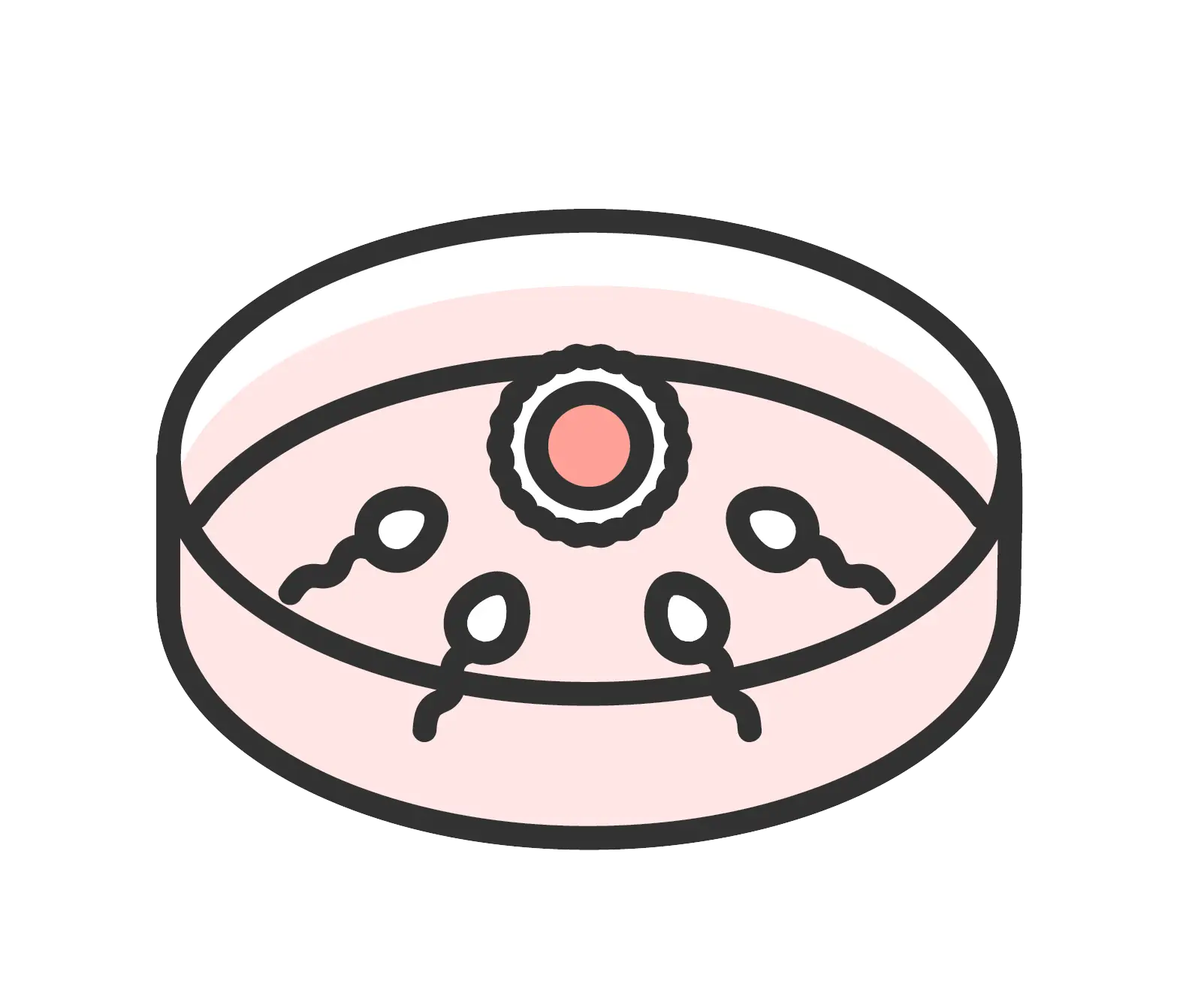
IVF (In Vitro Fertilization) is one of the most common fertility treatments performed today, where a woman's egg and a man's sperm are fertilized artificially in a test tube, and the resulting embryo is transferred back into the woman's uterus. The number of couples struggling with infertility is increasing worldwide year by year, with more than 5 million IVF cycles performed annually, and it is said that more than 500,000 newborns are born through such fertility treatments every year.
While IVF is undoubtedly a lifesaver that can resolve a lifelong struggle for many couples experiencing infertility, caution is required as cases involving major complications are also on the rise.
Recently, the BBC in the UK reported that a woman who underwent IVF became pregnant and gave birth to someone else's child due to a human error by the clinic.
Case of IVF Mix-up

Kristena Murray from Georgia received IVF treatment at a fertility clinic in the US (Coastal Fertility Clinic), became pregnant, and gave birth to a healthy baby boy after a gestation period of about 40 weeks.
However, from the day their precious baby was born, Ms. Murray and her family were entangled in a massive, unexpected conflict. It turned out that the newborn child was not the child of herself and her partner, but was conceived from another couple's embryo.
Due to a mistake (human error) by the clinic that performed the IVF procedure, sperm from a different man was used instead of the sperm donor selected by Ms. Murray. This was discovered when a Black baby with a different skin color was born to Ms. Murray, who is white.
Ms. Murray realized there had been an IVF mix-up on the day the baby was born. Despite this, she decided to raise the child and did so for several months, but custody was ultimately awarded to the couple who were the child's biological parents.
In response to this series of events, she released a statement saying, 'I went through the process of carrying the baby, giving birth, loving him, and building that special bond between mother and child, only to have him taken away. I will never fully recover from this pain.' She has decided to take legal action against the IVF clinic.
Although biological parentage was not recognized, the grief of being forced to give up custody of the child she had carried and raised was the main reason for filing the lawsuit.
Ms. Murray reportedly suffered in silence after the baby was born, unable to post about the incident on social media, show the child to friends and family, or seek advice. In late January 2024, she purchased a DNA paternity test kit to check the biological relationship between herself and the child. The test revealed that not only the sperm but also the egg used in the transferred embryo belonged to someone else. In other words, the DNA test made it clear that the child she gave birth to had another set of biological parents.

The following month, Ms. Murray informed the clinic of this fact. The clinic then contacted the biological parents, and when the baby was 3 months old, the biological parents filed a custody lawsuit.
Ms. Murray sought legal advice in hopes of raising the baby, but was told she had no chance of winning in family court, forcing her to voluntarily relinquish custody. Currently, the baby is living with his biological parents in another state under a different name.
Even now, Ms. Murray does not even know what happened afterward, such as whether Coastal Fertility Clinic, which performed the IVF, accidentally transferred her embryo to another couple.
In response to media inquiries, Coastal Fertility Clinic admitted the mistake and apologized for the distress caused, but Ms. Murray states that the trauma from this incident will likely never heal.
Prenatal Parentage DNA Test to Relieve Anxiety After Fertility Treatment

In recent years, several lawsuits have been filed against US fertility clinics over IVF mistakes. seeDNA has developed the world's first 'Prenatal DNA Test after IVF' to verify human errors that can occur during various fertility treatments including IVF at an early stage of pregnancy, ensuring a peaceful maternity life.
By analyzing the fetal DNA present in 20 mL of maternal blood, the biological father and mother can be confirmed in as little as 3 business days.


Peace of Mind Support from seeDNA
seeDNA is a pioneer in DNA testing, having developed Japan's first 'prenatal fetal DNA test' in 2016. We are a reliable and trusted DNA testing specialist institution with a track record of '0' misdiagnoses to date.
If you have any anxieties about a mix-up during fertility treatment or concerns about biological relationships, our DNA testing experts will support you to ensure your peace of mind, so please feel free to contact us.
【Free Consultation by Professional Staff】

If you have any questions,
please feel free to contact our toll-free number.
\Open on weekends too/
Hours: Mon - Sun 9:00-18:00
(Excluding holidays)
Frequently Asked Questions
Q.What is an IVF mix-up?
Q.What happened in the 2024 IVF mix-up case?
Q.How often do IVF mix-ups occur?
Q.Is there a way to verify an IVF mix-up during pregnancy?
Q.What are the features of seeDNA's Prenatal DNA Test after IVF?
References
- (1) BBC News / 2024 — "IVF mix-up: Woman says she gave birth to another couple's baby"
- (2) seeDNA Genetic Medical Laboratories — Prenatal DNA Test after IVF
- (3) Fertility and Sterility Dialogue / 2023 — "IVF Mix-ups, Errors, and Near Misses Reported in Academic Literature"
- (4) Ministry of Health, Labour and Welfare — Efforts on Infertility Treatment