
 type 2 diabetes
- Type 2 diabetes is a metabolic disease in which blood sugar levels chronically rise due to insulin resistance.and accounts for approximately 90-95% of all diabetes cases.
- T-type mutation in DNA region rs11095909Research shows that people with the disease tend to be at higher risk of developing
- appropriateDiet, exercise, and weight managementIt is possible to reduce the risk of onset and prevent progression.
Overview Type 2 diabetes mellitus (T2DM) is a chronic metabolic disorder in which blood glucose (sugar) levels are high because the body is unable to use insulin effectively. In type 1 diabetes, the body does not produce enough insulin, whereas in T2DM, the body's cells normally produce insulin, but the body's cells become resistant to the effects of insulin, a condition called insulin resistance. Over time, the pancreas also produces less insulin, worsening the condition. The characteristics of T2DM are associated with specific risk factors and physical characteristics. Although it is more commonly diagnosed in adults, its prevalence is increasing in young people in part due to rising obesity rates. Individuals are often overweight or obese, with a greater distribution of fat, especially around the abdomen (central obesity). Other signs include dark, velvety skin patches that appear in the folds and wrinkles of the body, a possible sign of conditions such as acanthosis nigricans and hypertension or dyslipidemia. Symptoms of T2DM can develop slowly and can include frequent thirst and frequent urination, fatigue, blurred vision, and slow wound healing. However, some people may not notice noticeable symptoms in the early stages, highlighting the importance of screening in high-risk populations. The condition is diagnosed through blood tests including fasting plasma glucose, HbA1C, or oral glucose tolerance testing. Treatment for T2DM includes lifestyle changes such as diet, exercise, and weight loss, along with medications to lower blood sugar levels if needed. Without proper treatment, T2DM can lead to serious complications, including cardiovascular disease, kidney damage, neuropathy, and retinopathy. A study by Givisay Domínguez-Cruz and colleagues at the National Polytechnic Institute's Center for Advanced Research revealed that the risk of developing type 2 diabetes is associated with a DNA region called rs11095909. There are three genotypes in this DNA region: TT, TC, and CC, and it was found that people with the T genotype tend to have a higher risk of type 2 diabetes.
What is type 2 diabetes?
Type 2 diabetes mellitus (T2DM) is a metabolic disease in which blood glucose levels are chronically elevated due to insulin resistance.It accounts for approximately 90-95% of all diabetic patients (1).
Causes and mechanisms of type 2 diabetes
While type 1 diabetes is a complete cessation of insulin secretion, type 2 diabetes is a combination of the following two factors:
- Insulin resistance:cells become resistant to the action of insulin
- Decreased β-cell function:Gradual decrease in insulin production in the pancreas
The main risk factors are:
- Obesity (especiallycentral obesity= fat accumulation around the abdomen)
- Lack of exercise/inappropriate eating habits
- Genetic predisposition (family history)
- Aging (commonly occurs in middle-aged and elderly people)
Main symptoms of type 2 diabetes
The symptoms areProgressing slowlyTherefore, there are cases where it is not noticed in the early stages.
- Frequent dry mouth/drinking and urinating
- chronic fatigue
- blurred vision
- wounds heal slowly
- Acanthosis nigricans (skin darkening)
Difference between type 2 diabetes and type 1 diabetes
| Comparison items | type 2 diabetes | type 1 diabetes |
|---|---|---|
| cause | Insulin resistance + decreased secretion | Beta cell destruction due to autoimmunity |
| Patient percentage | Approximately 90-95% | Approximately 5-10% |
| Age of onset | Mainly middle-aged and elderly | Children to young people |
| lifestyle habits | strong association | unrelated |
| Progress speed | Slow (several years) | Sudden (several days to weeks) |
| treatment | Diet/exercise + drug therapy | Insulin injection required |
Type 2 diabetes complication risk
Without proper treatment, the following complications may occur:
- cardiovascular disease(myocardial infarction/stroke)
- diabetic nephropathy(renal dysfunction)
- diabetic neuropathy(Peripheral nerve disorder)
- diabetic retinopathy(Risk of decreased visual acuity/blindness)
Diagnostic method
It is diagnosed by the following blood tests.
- Fasting plasma glucose test
- HbA1C (glycated hemoglobin) test
- Oral glucose tolerance test (OGTT)
The relationship between genes and type 2 diabetes
Relationship between DNA region rs11095909 and onset risk
A study by Domínguez-Cruz et al. (1) at the National Polytechnic Institute revealed that the DNA region rs11095909 is associated with the risk of developing type 2 diabetes.
- There are three genotypes of rs11095909: TT, TC, and CC.
- Genotype with T-type mutationpeople tend to be at higher risk of type 2 diabetes
Genotype distribution in Japanese (rs11095909)
| Genotype | Percentage of Japanese people | percentage of the world |
|---|---|---|
| TT type | 24.3% | 70.1% |
| TC type | 49.9% | 27.2% |
| CC type | 25.6% | 2.6% |
Rationale for testing
Superficial DNA region: type 2 diabetes
The gene region that most strongly influences type 2 diabetes is rs11095909. The distribution of isomorphic genotypes in Japan is as follows.
- TT
24.3 % - TC
49.9 % - CC
25.6 %
Another gene region associated with type 2 diabetes is rs377457. The distribution of isomorphic genotypes in Japan is as follows
- AA
45.3 % - AG
44.0 % - GG
10.6 %
Another gene region associated with type 2 diabetes is rs4817543. The distribution of isomorphic genotypes in Japan is as follows
- CC
58.4 % - CT
36.0 % - TT
5.5 %
Another gene region involved in type 2 diabetes is rs57261374. The distribution of isomorphic genotypes in Japan is as follows
- GG
99.9 % - GC
0.1%以下 - CC
0.1%以下
Another gene region involved in type 2 diabetes is rs730570. The distribution of isomorphic genotypes in Japan is as follows
- GG
80.8 % - GA
18.1 % - AA
1.0 %
Another gene region associated with type 2 diabetes is rs8050136. The distribution of isomorphic genotypes in Japan is as follows
- CC
68.3 % - CA
28.6 % - AA
2.9 %
Another gene region involved in type 2 diabetes is rs9552911. The distribution of isomorphic genotypes in Japan is as follows
- GG
58.4 % - GA
36.0 % - AA
5.5 %
Another gene region associated with type 2 diabetes is rs9948462. The distribution of isomorphic genotypes in Japan is as follows
- CC
8.0 % - CT
40.6 % - TT
51.3 %
Another gene region associated with type 2 diabetes is rs9957145. The distribution of isomorphic genotypes in Japan is as follows
- GG
75.7 % - GA
22.5 % - AA
1.6 %
Basis for inspection
A study by Domínguez-Cruz and colleagues at the National Polytechnic Institute's Center for Advanced Studies revealed that the risk of developing type 2 diabetes is linked to genes. There are two types of mutations in the rs11095909 region, T and C, and people with the T mutation tend to have a higher risk of type 2 diabetes (1).
The DNA region investigated this time
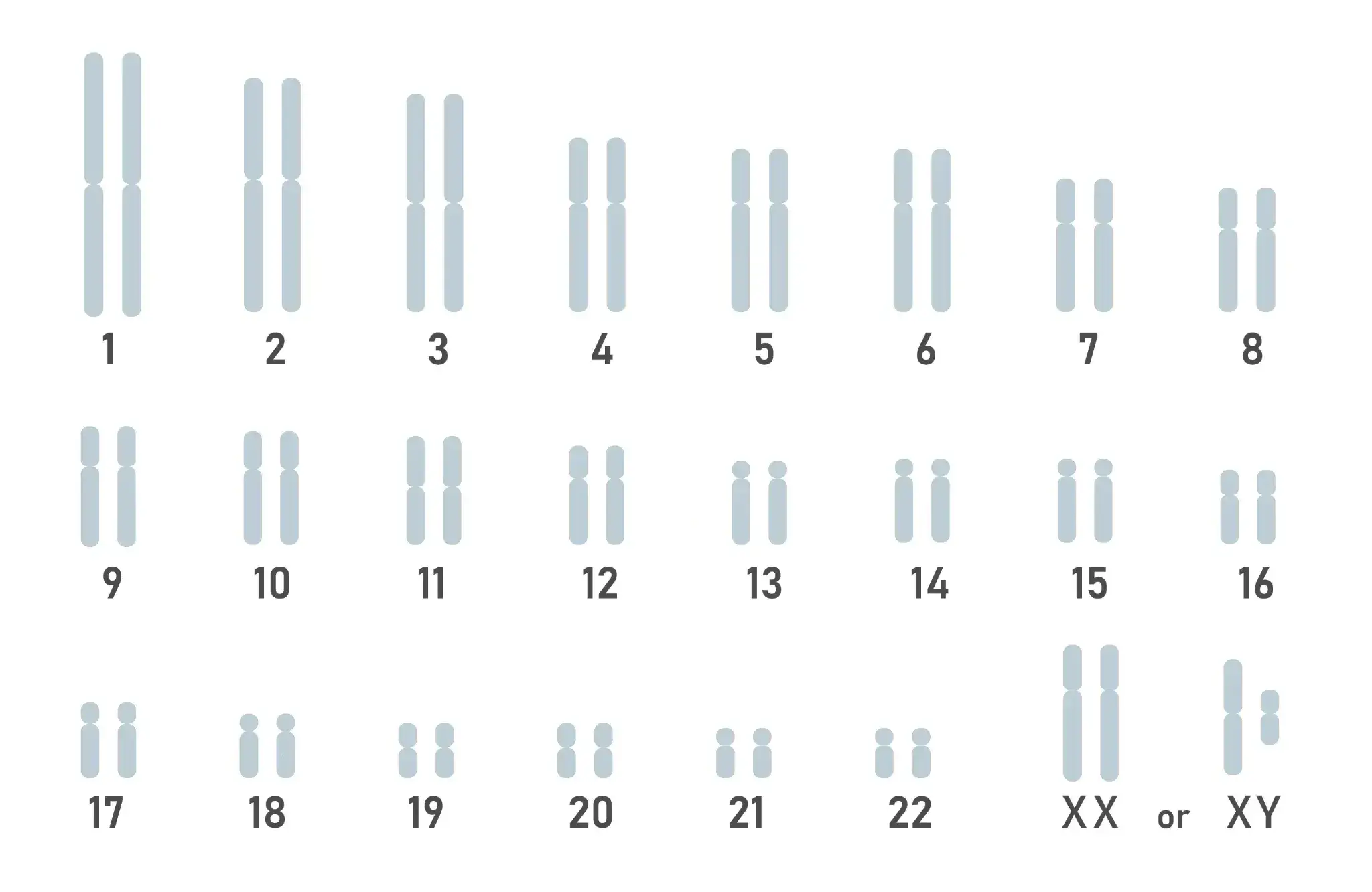
Schematic diagram of DNA map present in cells
- ■
- ■
- ■
- ■
- ■
- ■
- ■
- ■
- ■
Related genes
| Related genes | MAGEC3 |
|---|---|
| Related genes | C16orf74 |
| Related genes | LINC01548 |
| Related genes | MIR302F |
| Related genes | LINC00523 |
| Related genes | FTO |
| Related genes | SGCG |
| Related genes | LAMA1 |
| Related genes | SEC11C |
Frequently asked questions (FAQ)
Q1. What is type 2 diabetes?
Type 2 diabetes mellitus (T2DM) is a metabolic disease in which blood glucose levels are chronically elevated due to insulin resistance.It accounts for approximately 90-95% of all diabetes cases, and obesity, lack of exercise, and genetic factors are involved in a complex manner (1).
Q2. What is the cause of type 2 diabetes?
The main cause isInsulin resistance and decreased pancreatic β cell functionIt is. Obesity (particularly the visceral fat type), physical inactivity, and genetic predisposition are major risk factors. Carriers of the T mutation in the DNA region rs11095909 tend to be at increased risk (1).
Q3. What is the difference between type 2 diabetes and type 1 diabetes?
Type 1 isInsulin secretion cessation due to autoimmunityIt causes acute onset in young people. Type 2 isinsulin resistanceThe main cause is that it develops gradually in middle-aged and elderly people, and lifestyle habits are strongly involved.
Q4. Can genetic testing determine the risk of type 2 diabetes?
By examining the genotype of DNA region rs11095909,Understanding trends in the risk of developing type 2 diabetesYou can. Studies have shown that people with the T mutation genotype tend to be at increased risk (1).
References
- Reference link 1: Gene / November 2018 / Miriam Givisay Domínguez-Cruz
- Reference link 2: Nature Communications / January 2016 / Minako Imamura
- Reference link 3: Diabetologia / July 2019 / Ji Chen
- Reference link 4: Diabetologia / August 2011 / E J Parra
- Reference link 5: Science / June 2007 / Eleftheria Zeggini
- Reference link 6: Diabetes / May 2013 / Richa Saxena
- Reference link 7: Nature / June 2020 / Cassandra N Spracklen
- Reference link 8: Nature Genetics / November 2018 / Anubha Mahajan